
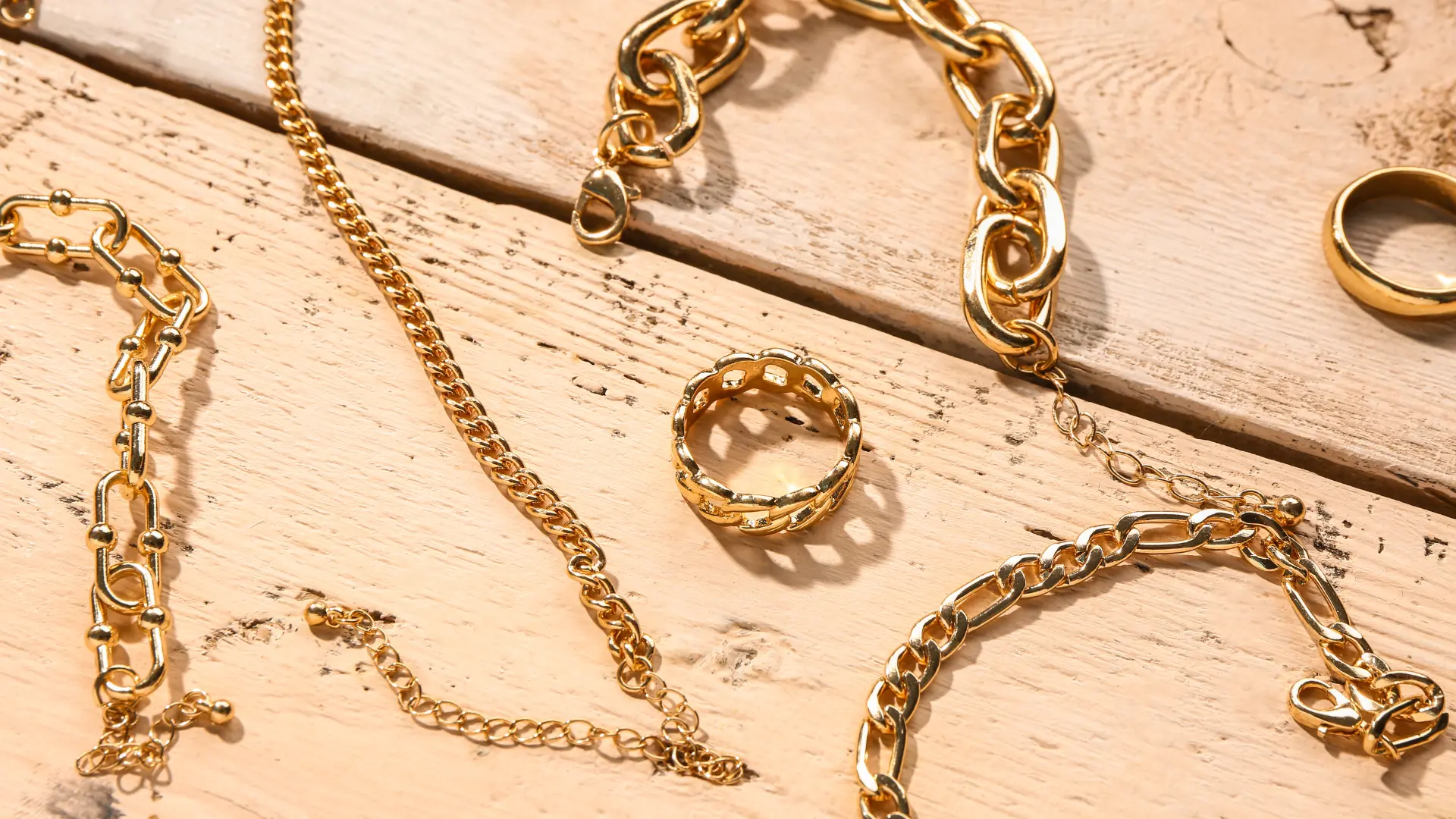
Selling Jewellery: The Essential Guide to How Fine Materials Are Processed by a Scrap Jewellery Buyer
When people think about selling jewellery, they often picture a simple exchange: an old ring, a broken chain or an inherited bracelet is weighed, a price is given and the item disappears. In practice, a responsible specialist buyer starts with a more careful question: what is this piece, what materials does it contain and what can be confirmed through inspection?
At Diamond & Gold Buyers, we assess items in a private, appointment-based setting in Green Point. You can send us photographs, certificates and a description for an estimated offer. If that estimate suits you, we arrange an inspection at our office. After examining the item, we confirm a final offer if appropriate; if you accept, we process the paperwork for payment.
This guide explains the buyer stage clearly. It does not claim that every item follows one downstream route. The answer depends on the piece, its materials, its condition, our purchasing criteria and the route that is appropriate after a sale has been completed.
What “scrap jewellery” means - and what it does not
A scrap jewellery buyer may deal with items that are broken, unwanted, damaged or no longer wearable. That does not mean the material is automatically worthless, nor does it mean every item should be treated only as scrap. A fine piece can contain more than one source of value: precious-metal content, gemstones, a recognisable maker, an intact setting, historic character or resale potential.
That distinction matters when selling jewellery. A chain with a broken clasp may be assessed differently from a signed piece, a diamond ring or a well-preserved estate item. We do not need a piece to be perfect before we inspect it. What matters is that we can identify what is present and apply our criteria to the item as it stands.
For diamond-set jewellery, we assess the piece as a whole, considering both the diamond and the precious-metal setting. For gold, our service describes assessment of carat composition and weight with X-ray fluorescence (XRF) testing. Those are buyer-stage steps that help us understand the materials before an offer is confirmed.
The process starts with information, not an assumption
Before an in-office inspection, we invite you to send photographs, certificates and a description of the items you wish to sell. That lets us consider the information available and make an estimated offer.
An estimate is not the same as a final offer. Photographs can show a general shape, a hallmark or the condition of a setting, but they cannot replace handling, testing and a close inspection. The appointment gives us the opportunity to confirm the details that matter to the assessment.
If you are selling jewellery from an estate, a collection or a personal jewellery box, it helps to keep pieces separate and to bring any certificates, earlier appraisal reports, purchase information or repair notes you still have. Before selling jewellery, keep that documentation together with the items rather than relying on memory at the appointment. It does not set an automatic price, but it may assist identification and give useful context to the inspection.
Inspection: seeing the complete item
An in-person inspection allows a buyer to move beyond a single number on a scale. We look at the item as a complete piece before deciding whether we can make an offer. That can include its visible condition, construction, hallmarks, stones, setting and the materials it contains.
This approach is important because “scrap” is a description of a possible route, not a shortcut around assessment. An intact designer item, a vintage piece with clear provenance or a diamond-set ring may call for a different conversation from a plain, broken gold chain. We do not assume that a piece’s weight tells its whole story.
Our diamond service has specific criteria, and we may not make an offer on every item. For example, our listed diamond requirements focus on cut and polished stones and set out other criteria for consideration. Being clear about that at the inspection is better than treating every material as interchangeable.
Identifying precious-metal content
When selling jewellery with a precious-metal component, material identification is part of a careful assessment. Hallmarks can be helpful clues, but they are not the entire answer. An item may have been altered, repaired, plated, worn or made from more than one metal.
At Diamond & Gold Buyers, we use XRF technology to determine the carat composition and weight of gold during the assessment. That supports an evidence-led view of a piece’s precious-metal content. It is particularly useful when the visible hallmark and the physical item need to be considered together.
A buyer may also need to distinguish the precious metal from non-precious components, stones, clasps or other fittings. That is one reason a physical inspection matters. The final offer follows inspection; it is not a promise based only on an initial photograph or a seller’s description.
What happens after a buyer accepts an item
The important point is that the buyer stage comes before any later material route. First, we establish whether we can consider the item. Then we inspect it, explain the assessment and confirm a final offer if appropriate. You choose whether to accept that offer. Only after acceptance do we complete the paperwork for payment.
From there, the appropriate handling path can differ. Diamond & Gold Buyers says that every diamond we purchase is filtered back into the fine jewellery industry for reuse. That is a specific reuse statement for diamonds we purchase; it should not be read as a claim that every material, every setting or every item follows the same route.
For gold and other fine metals, the wider industry includes recycling and refining. The World Gold Council notes that most recycled gold comes from jewellery and that recycled gold needs processing and refining to achieve a guaranteed quality. This is a high-level industry context, not a description of a particular refinery’s proprietary method or a guarantee about the route of an individual item.
What refining means at a high level
Refining is the specialist stage used to recover and prepare precious metal to an appropriate standard. It is separate from the customer-facing buyer assessment. At the buyer stage, the question is whether the item can be assessed and purchased. At the refining stage, the question is how a confirmed material stream is processed to meet the requirements of its next use.
A client does not need to know the chemistry or machinery to understand the principle. The value of a specialist buyer is in identifying material accurately, being clear about the inspection process and avoiding unsupported assumptions about what an item is made from. The value of a refinery is in managing the controlled processes required for material recovery and quality.
Diamond & Gold Buyers maintains direct refining channels for gold, according to our gold service information. We will confirm the details that relate to your items at the time of assessment. We do not represent every downstream partner as accredited to a particular standard unless that status has been independently confirmed.
Why responsible supply-chain language needs care
Responsible sourcing is a real part of the global precious-metals conversation, but it should be described precisely. The LBMA Responsible Sourcing Programme applies to LBMA Good Delivery refiners and includes an assurance process and due-diligence framework.
That framework is useful context for understanding why traceability, documentation and due diligence matter downstream. It does not mean every buyer, refiner or transaction is automatically LBMA-accredited. When responsible sourcing is important to you, ask specific questions about the route relevant to your item rather than relying on broad labels.
At Diamond & Gold Buyers, our role is to provide a private, documented starting point for the pieces we can consider. We explain the assessment, confirm the final offer after inspection and proceed only if you choose to accept it. That gives you clarity at the point where selling jewellery becomes a completed transaction.
Questions worth asking a scrap jewellery buyer
A well-prepared seller does not need to be an expert in refining. When selling jewellery, you do, however, deserve clear answers about the buyer stage. Useful questions include:
- How will you assess the item in person?
- Will you consider the whole piece, including gemstones and identifying marks?
- Which documents or certificates would be useful to bring?
- Is the initial indication an estimate or a final offer?
- What happens after the inspection if I decide not to accept the offer?
- Are there purchase criteria that might mean you cannot make an offer?
These questions keep the conversation focused on the information you can verify. They are more useful than assuming every unwanted item is processed in the same way.
A clearer way to approach selling jewellery
Whether you have a damaged gold bracelet, inherited diamond jewellery or a collection of pieces you no longer wear, the first step is a professional assessment - not an assumption about scrap value or a guess about what happens in a refinery.
At Diamond & Gold Buyers, we make selling jewellery more straightforward: send us the item information, receive an estimated offer, then arrange a private inspection at our Green Point office if you would like to proceed. We will assess the items we can consider, explain the final offer after inspection and complete the paperwork only if you decide to sell.

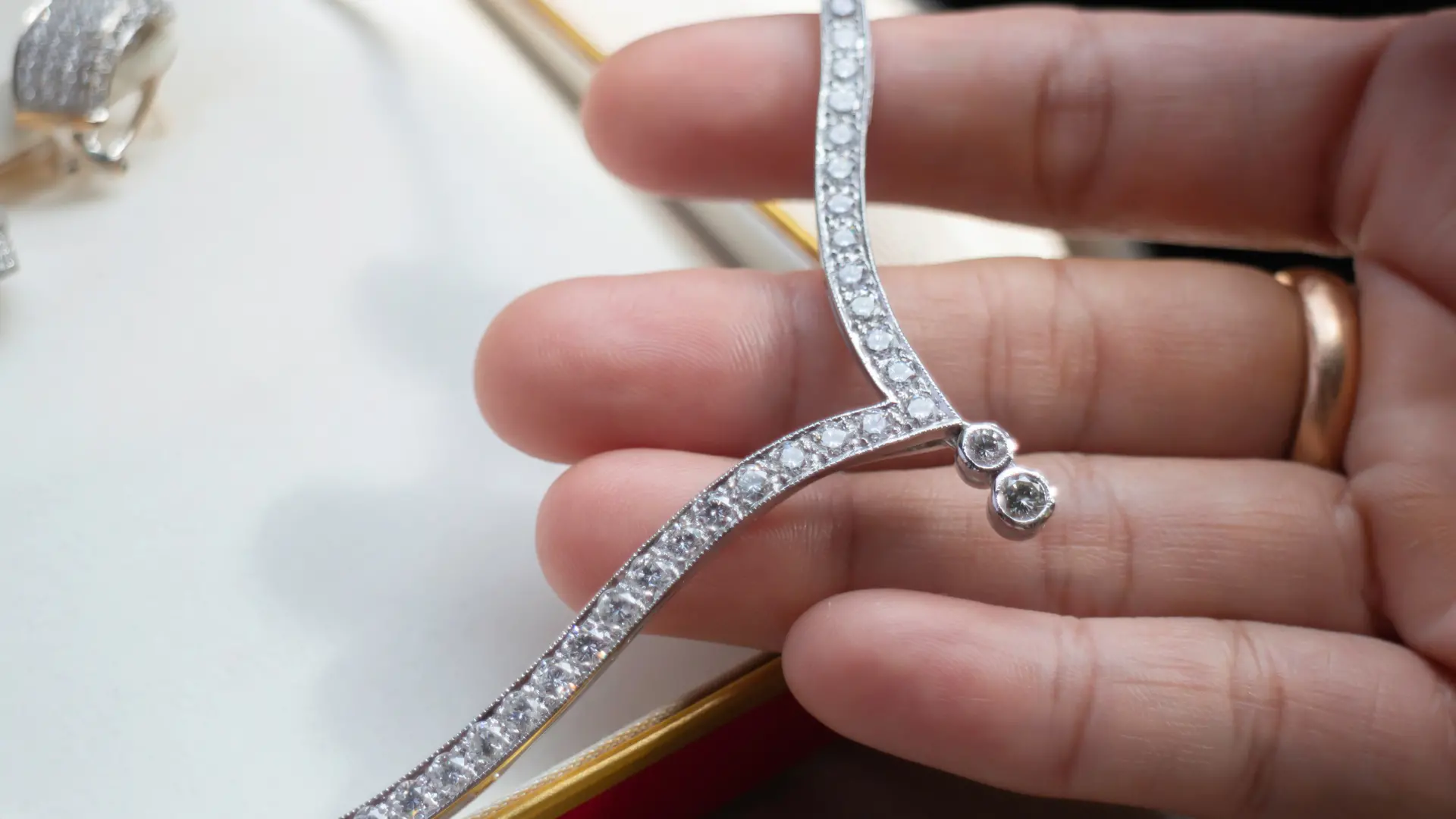
Rapid Valuation and Immediate Bank Transfers: Sell Jewellery for Cash Near Me
When you search for sell jewellery for cash near me, you are probably looking for more than a quick price. You want a convenient local buyer, a fair assessment and confidence that payment will be handled securely. Whether you have inherited jewellery, an unwanted engagement ring, a broken chain or gold pieces that are no longer being worn, the right buying process should be straightforward without being rushed.
A rapid valuation does not mean skipping important steps. A professional buyer should still identify the item, assess its purity and weight, consider any stones or non-gold components, explain the offer and complete the necessary paperwork. The goal is an efficient transaction built on transparency not an unexplained number and a pressured handover.
We offer a Cape Town-based service for gold, diamonds and other precious metals. The business describes a staged process in which sellers submit item information, receive an estimated offer, arrange an inspection and then receive a final offer before payment is processed if accepted. This guide explains what to expect, how to prepare and what to check before selling jewellery for cash or an immediate bank transfer.
What does a rapid jewellery valuation involve?
A valuation is an informed assessment of what a buyer may be prepared to pay for an item. It is not necessarily the same as the original retail price, an insurance replacement value or the sentimental value attached to an heirloom.
The buyer may consider several factors:
| Factor | Why it matters |
| Purity or fineness | Higher-purity gold generally contains more gold by weight, although the final offer also depends on market conditions and the item’s form |
| Weight | The buyer needs to distinguish the weight of gold from stones, clasps, solder and other materials |
| Current market conditions | Precious-metal prices change, so an offer is linked to the buyer’s current pricing basis |
| Item type | Jewellery, bullion, coins and scrap may have different resale or refining markets |
| Diamonds and gemstones | Size, quality, certification and marketability may affect whether a stone is valued separately |
| Condition and workmanship | A branded or well-made item may have additional resale value, while damaged pieces may be assessed mainly for their metal content |
The process should be explained in plain language. If an item contains gemstones, ask whether they have been considered and whether the offer is for the complete piece or only its recoverable gold content.
Estimate first, final offer later
A remote estimate can be useful, but it should not be confused with a confirmed price. Photographs may not show a hallmark clearly, and the visible weight of a ring or bracelet may include stones and other materials. A buyer who gives an online indication should make clear that the final offer depends on physical inspection.
At Diamond & Gold Buyers, we offer an estimated-offer stage before inviting you to our office for an inspection and confirming a final offer. This approach balances convenience with the accuracy of an in-person assessment. You can begin by sending us photographs, a description of your items and any available certificates, then arrange an appointment if the estimate is suitable for you.
When submitting information, describe the pieces honestly. Include the type of jewellery, any markings, known carat or fineness, approximate size, whether stones are present and whether you have documentation. Do not clean, repair or alter an item simply to improve its appearance before assessment, as this may affect valuable finishes or settings.
What should you take to the appointment?
Take the jewellery you want assessed, along with relevant documentation. Useful items may include purchase receipts, diamond or gemstone certificates, previous valuations, inheritance paperwork and proof of ownership where applicable.
If a piece belongs to an estate, confirm that the executor or authorised representative can sell it. If it is jointly owned, obtain the necessary agreement before accepting an offer. A business should also ensure that the person presenting company-owned jewellery or precious-metal assets has authority to complete the transaction.
Bring identification if requested. Reputable precious-metals businesses may need to verify a customer’s identity and retain transaction records as part of their compliance obligations. Ask why information is required and how it will be stored. You should not be asked to provide more personal information than is reasonably necessary through an insecure channel.
How gold jewellery is tested
Testing is intended to establish what an item is made from and how much precious metal it contains. Depending on the piece, a buyer may examine hallmarks, weigh it, use testing equipment and inspect its construction. A professional assessment should take account of the risk of plated metal, mixed alloys, hollow components and non-gold fittings.
Ask whether the test is non-destructive and whether any mark or sample will be taken. The answer may depend on the item and the testing method. You can also ask to see how the weight is recorded and whether stones are included in the stated weight.
We use testing equipment in its Cape Town office to assess diamonds and gold. Ask the team to explain the result in relation to your specific jewellery rather than relying on a generic price per gram.
Why the original price may be different from the offer
Many sellers are surprised when a resale or cash offer is lower than the original purchase price. A retail price may include design, manufacturing, brand, shop overheads, VAT, marketing and margins. An insurance valuation may describe the cost of replacing the item, not what a buyer can recover in a second-hand or refining market.
This does not automatically mean that an offer is unfair. The important question is whether the buyer has explained the basis of the valuation and whether you have had a reasonable opportunity to compare it. A specialist may identify potential value in a diamond, designer item or collectible piece that a general scrap buyer would overlook, while some pieces may be valued mainly for their metal content.
Jewellery for cash or bank transfer?
Ask the buyer to explain all payment options before finalising the sale. Cash may be convenient, but a bank transfer can provide a clear electronic record and may be more suitable for a larger transaction. Confirm which banks are supported, how the transfer is initiated, whether a payment limit applies and when the funds should appear.
We offer immediate payment to major banks and instant cash pay-outs. Payment services and banking conditions can change, so confirm the current options when arranging your appointment. If you choose an electronic transfer, check your own banking application or statement rather than relying only on a screenshot or verbal assurance.
Do not permanently hand over valuable jewellery until you understand the final offer and payment arrangements. Read the paperwork, verify the amount and keep your receipt and payment confirmation.
Choose a secure local buyer
Location matters when you are carrying valuable items, but the closest buyer is not always the best option. Look for an established premises with identifiable contact details, privacy and a professional assessment area. A secure consultation room allows the jewellery to be examined discreetly and reduces unnecessary exposure to other customers.
We have a private and secure Cape Town city office, trained staff, free assessments, secure consultation rooms and 30 minutes of free parking. To make your appointment more comfortable, particularly if you are bringing inherited or high-value jewellery.
Use sensible precautions. Avoid discussing the value of your items in public, take only what you need, use secure transport where appropriate and consider attending with someone you trust. If a buyer asks you to meet in an isolated or temporary location, think carefully about whether the arrangement provides adequate security and accountability.
Questions to ask before accepting an offer
A professional buyer should be willing to answer questions without making you feel pressured. Ask:
- How was the item tested and weighed?
- Is the offer for the gold content, the complete piece or both metal and stones?
- Have diamonds or other gemstones been assessed separately?
- Are there any fees, deductions or charges?
- Is the price an estimate or the final offer?
- What identification and paperwork are required?
- How and when will payment be made?
- Will I receive a written receipt describing the transaction?
- Can I decline the offer without a charge?
- What items does the business not buy?
The answers should be clear and consistent. Be cautious of a buyer who avoids explaining the valuation, changes the terms unexpectedly or insists that you accept immediately.
What jewellery can you sell?
We buy broken and unwanted gold jewellery, including bangles, bracelets, rings and chains, as well as Krugerrands and bullion bars. The business also states that it does not buy old currency coins. Other buying criteria may apply based on purity, authenticity, condition, size or the type of item.
Contact the buyer before travelling and describe what you have. If you are unsure whether a coin is a bullion coin or an old currency coin, ask for clarification. A short preliminary enquiry can save time and help the buyer prepare the right assessment process.
A transparent four-step process
A well-managed jewellery sale should have a clear beginning and end:
- Send information: Provide a description, photographs and available certificates.
- Receive an estimate: The buyer processes the information and provides an initial indication.
- Arrange an inspection: If the estimate is suitable, schedule a convenient office appointment.
- Review the final offer: After inspection, decide whether to accept; if you do, the paperwork and payment are processed.
This process helps separate convenience from pressure. You can start remotely while retaining the accuracy of an in-person assessment before the sale is completed.
Selling inherited jewellery
Inherited jewellery can be emotionally difficult to sell. Give yourself time to establish ownership, speak with family members and understand any estate requirements. Do not let an urgent financial need force you to accept the first unexplained offer.
Make a list of the items, photograph them for your records and gather certificates or family information. A buyer may not be able to value sentimental meaning, but a careful assessment can identify whether a piece has gold, diamond, brand or collectible value beyond its scrap content.
Why choose Diamond & Gold Buyers?
Diamond & Gold Buyers combines a local Cape Town office with a stated focus on guidance, transparency and secure handling. Its website describes free assessments, testing equipment, a staged estimate-to-inspection process, private consultation rooms and payment options for major banks and cash. The business also says that the precious metals and diamonds it buys are filtered back into the jewellery industry for reuse, supporting a more circular approach to valuable materials.
If you are ready to sell jewellery for cash near me, begin with a description and photographs of your items. Contact Diamond & Gold Buyers to discuss the assessment process, arrange a convenient inspection and receive a clear final offer before deciding.
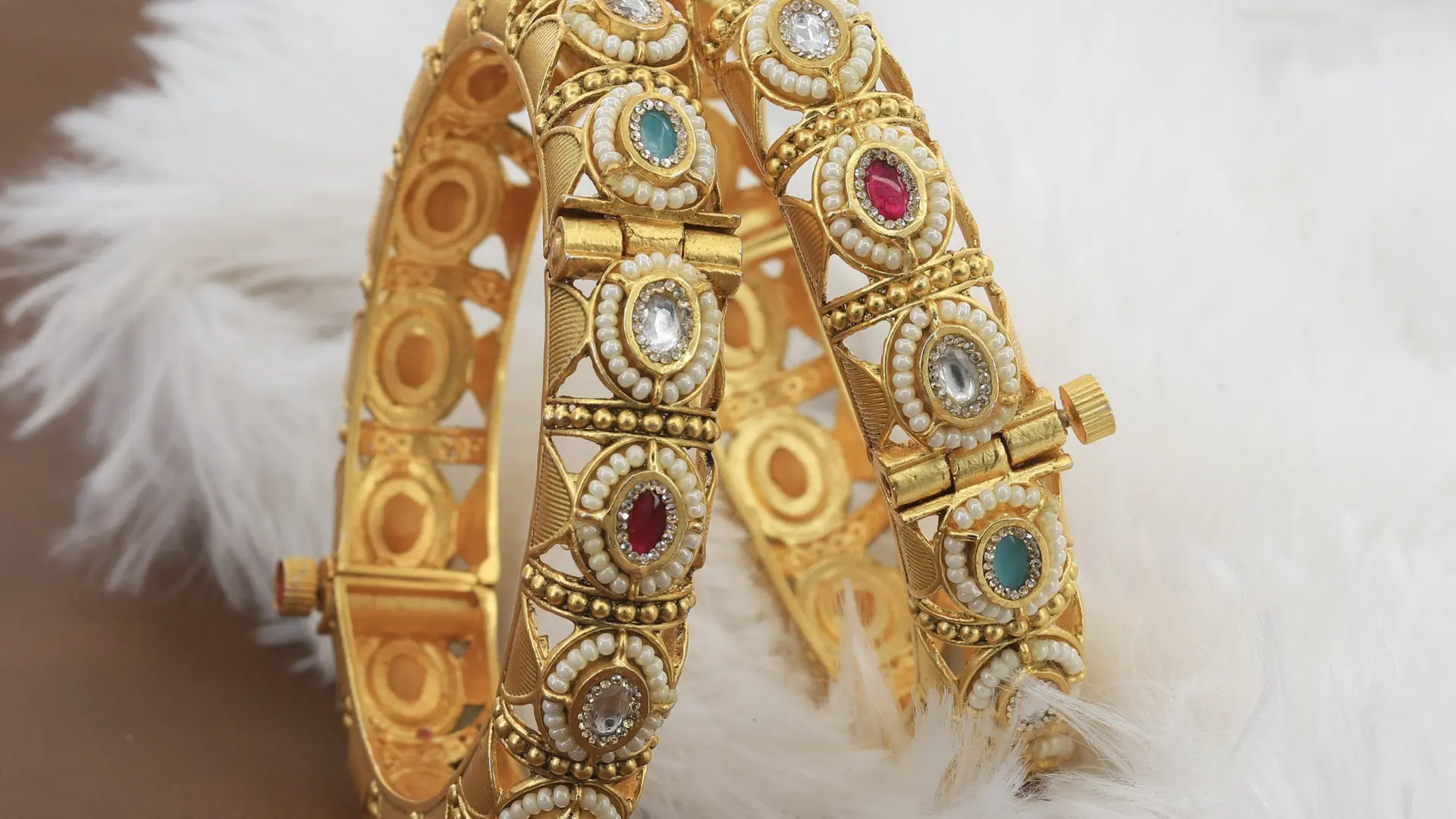
What to Look for in Verified and Certified Buyers of Gold Near Me
Searching for buyers of gold near me usually means you want two things: a convenient place to sell and confidence that you will be treated fairly. Whether you are selling an unwanted ring, inherited jewellery, a broken chain, Krugerrands or a gold bar, the buyer you choose can affect the price you receive and the security of the transaction.
The words “verified” and “certified” can sound reassuring, but they should not be accepted without explanation. A trustworthy gold buyer should be identifiable, transparent about its process, willing to explain how an offer is calculated and able to conduct a secure, professional assessment. It should also handle your personal information and valuable items responsibly.
Diamond & Gold Buyers provides gold-buying services in Cape Town, including assessments of gold jewellery, precious metals, Kruger coins and bullion bars. Our process begins with an estimated offer and ends with an in-person inspection, final valuation and payment if the offer is accepted. This guide explains what to check before choosing any local buyer and how to prepare for an informed sale.
What does “verified” or “certified” gold buyer mean?
There is no single phrase that automatically proves a buyer offers the best price or service. “Verified” may refer to an established business, a confirmed physical address, customer reviews, identity checks or a platform verification badge. “Certified” might refer to a staff qualification, professional membership, testing equipment or a certification relating to a particular product.
Ask the buyer to explain the term. If it claims to hold a certification, find out who issued it, what it covers and whether it is current. Certification of a testing instrument or staff training is not the same as a guarantee of the valuation. A credible buyer should welcome reasonable questions rather than using vague labels as a substitute for evidence.
In practice, look for a combination of indicators:
| Indicator | What to check |
| Identifiable business | Trading name, contact details, physical premises and a way to reach the business after the transaction |
| Transparent process | Clear explanation of inspection, testing, valuation, offer and payment |
| Professional testing | Appropriate equipment and an explanation of how purity, weight and item type affect value |
| Secure environment | Private consultation area, controlled handling and sensible security arrangements |
| Customer identification | A lawful, proportionate process for verifying the seller and recording the transaction |
| Written outcome | Offer, receipt or transaction record showing what was assessed and what was paid |
| No-pressure service | Time to consider the offer without intimidation or misleading urgency |
No single item on this list proves that a buyer is suitable. Together, they help you distinguish a professional service from an anonymous or poorly documented cash transaction.
Why identity checks are a positive sign
A reputable precious-metals buyer may ask for identification and information about the item. This is not necessarily an inconvenience or a warning sign. South African anti-money-laundering rules place obligations on certain high-value goods and precious-metals businesses, including customer due diligence and record keeping.
The buyer should explain what information is required, why it is needed and how it will be handled. Be cautious if a business refuses to identify itself but asks you to hand over valuable items without paperwork. Equally, avoid sending unnecessary personal documents through unsecured channels. If you are unsure, ask whether you can provide the information in person at the office.
Our website includes customer details, an item description and image or certificate-upload steps as part of its enquiry process. Confirm the current process directly and do not send original certificates or documents unless the business specifically requests them and provides a secure method.
Check the buyer’s physical premises
Selling valuable gold should take place in a setting where you feel safe and respected. A professional office or shop allows the buyer to examine the item properly and gives you a clear point of contact. Look for private consultation rooms, controlled access, good lighting, secure handling and a process that does not expose your valuables unnecessarily to other customers.
A physical location also makes it easier to return with questions, collect documentation or raise an issue. If a buyer insists on meeting in an isolated car park, private home or unfamiliar temporary location, consider the additional risks carefully.
Diamond & Gold Buyers states that it offers secure consultation rooms at its Cape Town city office, together with free parking for 30 minutes. These facilities are part of the customer experience, but you should still use your own judgement and follow sensible personal-security precautions when carrying valuable items.
Understand how gold value is assessed
A gold buyer’s offer is not based only on the item’s appearance. The assessment may consider the metal’s purity, weight, current market conditions, form, workmanship, stones, brand, condition and whether the item has a resale or refining market.
Gold jewellery is commonly marked with a fineness or carat indication, but a stamp should not be treated as conclusive proof. Testing may be required, particularly if the mark is worn, the item is plated, or the piece contains different metals. A professional buyer should explain the testing method and handle the item carefully.
The total weight of a piece is not always the payable gold weight. A ring may contain gemstones, non-gold fittings, solder or other materials. Ask whether the offer is based on the complete item or on an estimated gold content, and whether stones are assessed separately.
A fair process does not necessarily mean that every buyer will make the same offer. It means you understand what has been assessed and why the offer has been calculated.
Ask about testing before agreeing to sell
Testing should be visible enough for you to understand the process, while still being carried out safely and correctly. Depending on the item, a buyer may inspect hallmarks, weigh the piece, use a testing instrument or perform another appropriate assessment. Ask whether the test is non-destructive and whether any mark or sample will be taken.
Do not be persuaded by impressive-sounding equipment alone. The important questions are whether the equipment is suitable, calibrated or maintained, whether the person operating it understands the results, and whether the result is combined with a proper assessment of the item.
We use testing equipment to assess diamonds and gold in our Cape Town office. Ask our team to explain the relevant test for your item and whether you will receive a description of what was examined.
Look for a written, no-pressure offer
A verbal number can be difficult to compare or challenge later. Ask for the offer to be explained and recorded, particularly if you are selling several items. The record should identify the items or category assessed, the agreed amount and the payment method.
You should not be required to accept immediately. A professional buyer may give you time to think, ask questions or compare the offer. Be wary of claims that the price is available only for a few minutes, especially if the buyer has not finished testing or explaining the transaction.
At Diamond & Gold Buyers, we provide an estimated offer before inviting you to our office for an inspection. We then confirm the final offer after assessing your items in person. If you choose to accept the offer, we will complete the required paperwork and arrange payment. This staged process helps distinguish the initial estimate from the final in-person valuation.
Compare buyers carefully, not just quickly
Searching for “buyers of gold near me” makes location important, but proximity should not be the only consideration. Compare at least two or three established buyers where practical. Ask each one about testing, fees, payment timing, documents, accepted items and whether you can decline the offer without a charge.
Comparing offers requires like-for-like information. One buyer may be discussing the value of the metal alone, while another may include a possible resale value for a branded or collectible piece. One may quote for an entire parcel, while another itemises each piece. Ask for the assumptions behind the number.
Do not assume that the highest initial estimate will become the highest final offer. A responsible buyer should make clear that a remote or preliminary estimate may change after physical inspection.
Certificates, receipts and provenance
Certificates can help identify a diamond, gemstone, coin or bar, but they do not guarantee a particular resale price. Bring relevant certificates, purchase records and valuation documents if you have them. Keep copies or photographs for your own records and do not alter the items before assessment.
If the item is inherited, the executor or estate administrator may need to authorise the sale. If it belongs to more than one person, obtain agreement before accepting an offer. For business-owned assets, make sure the person attending has authority to sell.
A buyer should provide appropriate documentation for the transaction. Keep the receipt, payment confirmation, item description and any written terms. These records are useful for personal records, estates, insurance queries and tax discussions where relevant.
Know what the buyer does not accept
A reputable business should be honest about its buying criteria. We buy gold and precious metals, including broken and unwanted jewellery, Kruger coins and bullion bars, but we don't buy old currency coins. Other restrictions may apply to condition, purity, authenticity, item size or legal ownership.
This clarity saves time and reduces the chance of a disappointing visit. Describe your items accurately before travelling and ask whether the buyer can assess them. Do not misrepresent an item’s origin, ownership or contents. If you are unsure whether a coin is a bullion coin or an old currency coin, ask for guidance before making arrangements.
Payment and personal safety
Confirm how payment will be made, when it will be made and whether there are any limits or charges. We offer immediate payment to major banks and instant cash payouts. Confirm the current payment options and ensure that the paperwork matches the final amount.
When carrying valuables, avoid advertising what you have with you. Take only the items and documents needed, use secure transport where appropriate and consider attending with someone you trust. Do not hand over an item permanently until you understand the offer and payment arrangements.
If you are paid electronically, check the transaction confirmation through your own banking channel. Do not rely solely on a screenshot supplied by another person.
Why Diamond & Gold Buyers is a strong local option
At Diamond & Gold Buyers we combine several features that matter when selecting a local precious-metals buyer: a Cape Town office, private consultation rooms, trained staff, free assessments, testing equipment, a defined estimate-to-inspection process and immediate payment options. The diamonds and precious metals we buy are filtered back into the jewellery industry for reuse, supporting a more circular approach to precious materials.
Our team's focus is transparency and guidance rather than a rushed handover. Before visiting, contact us with a description and photographs of your items, ask what documents to bring and confirm the appointment and payment process.
A final checklist before you sell
Before accepting an offer from buyers of gold near you, confirm that:
- You know the buyer’s full business identity and physical location.
- You understand the testing and valuation process.
- Your items have been assessed individually or clearly described as a parcel.
- You know whether gemstones, brand value or collectible value have been considered.
- The offer and payment terms are clear in writing.
- You have had time to ask questions and decline without pressure.
- You will receive a receipt and retain your certificates or copies.
- The payment has been verified before the item is permanently transferred.
Selling gold should be convenient, but convenience should never come at the expense of transparency or security. If you are looking for professional buyers of gold near me in Cape Town, contact us to arrange an assessment and experience a structured, confidential process from enquiry through to payment.
Frequently Asked Questions
What does “verified” or “certified” gold buyer mean?
Why do gold buyers ask for identification?
How is the value of my gold assessed?
What testing methods do professional gold buyers use?
Should I get a written offer before selling my gold?
How should I compare different gold buyers?
What items does Diamond & Gold Buyers not accept?
What payment options are available when selling gold?
Why is it important to sell gold at a physical premises?
What should I bring when selling inherited or certified gold jewellery?
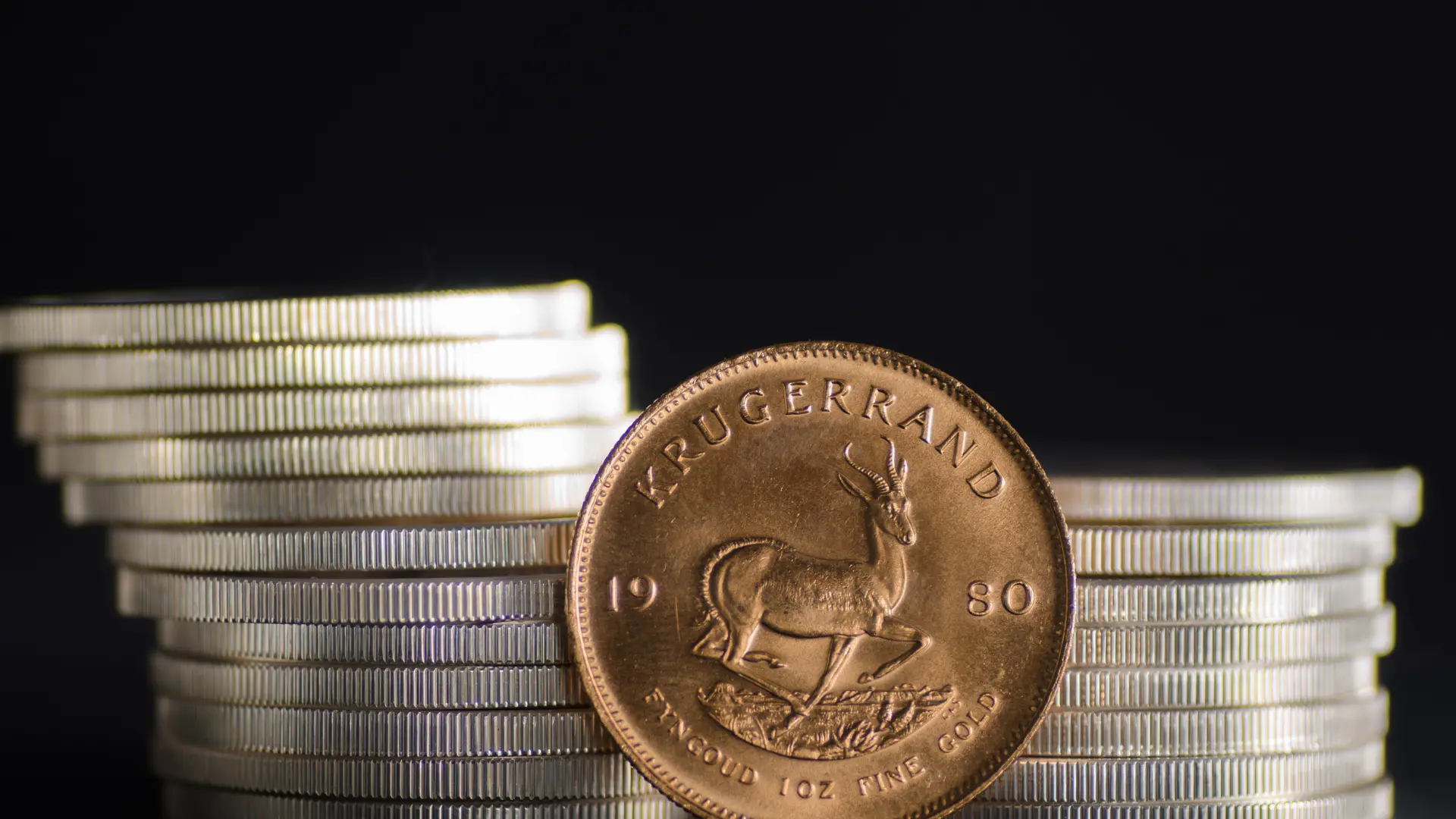
The History and Long-Term Value Trends of South African Krugerrands
Understanding the long-term performance of precious metals requires examining the asset class that transformed private gold ownership worldwide. Investors and estate heirs seeking to sell Krugerrands often require clear insight into how historical market shifts, minting specifications, and live international spot rates dictate overall liquidation value. Established in 1967, the South African Krugerrand remains the world benchmark for physical bullion, providing a reliable hedge against currency devaluation across generations.
The enduring global demand for these iconic gold pieces reflects a unique combination of liquidity, standardised weight, and institutional credibility. Evaluating your collection involves reviewing both macro market conditions and the specific physical characteristics that certified appraisers analyse during a professional valuation.
The Genesis of the Krugerrand and Its Impact on Gold Ownership
Prior to the late 1960s, private individuals faced significant regulatory barriers and complex logistical challenges when attempting to acquire physical gold bullion. The South African Mint, in partnership with the Rand Refinery, introduced the Krugerrand as a vehicle to market the nation's substantial gold production directly to international individual investors.
By creating a legal tender coin tied directly to the underlying value of its gold content, South Africa established a seamless mechanism for private capital preservation. This strategic financial innovation effectively democratised precious metal investment, laying the groundwork for the modern global bullion market.
- Minting Innovation and the One Ounce Pure Gold Standard
The design of the Krugerrand introduced a practical approach to metallurgical durability by blending pure gold with a small proportion of copper. Each standard coin contains exactly one troy ounce of fine gold (31.1035 grams), but weighs 33.93 grams in total due to its 22-karat alloy composition.
The inclusion of 8.33 per cent copper yields a characteristic reddish hue while significantly enhancing the hardiness of the coin against physical wear, surface scratches, and handling abrasion. This durable alloy ensures that coins minted decades ago retain their exact weight and structural integrity when evaluated for precious metal liquidation.
- Global Expansion and Market Dominance in the 1970s and 1980s
During the inflationary economic landscape of the 1970s, international demand for gold bullion coins surged as investors sought refuge from depreciating fiat currencies. The Krugerrand rapidly dominated global markets, accounting for over 80 per cent of all world gold coins purchased by private buyers between 1974 and 1980.
To expand market accessibility for smaller private portfolios, the South African Mint introduced fractional sizes in 1980, including half ounce, quarter ounce, and tenth ounce denominations. This structural expansion solidified the status of the coin as an essential component of diversified investment portfolios worldwide.
Understanding Krugerrand Value Drivers in Modern Markets
Determining the precise payout figure when preparing to sell gold coins requires a clear understanding of the financial variables that influence daily dealer quotes. Unlike artistic jewellery items, investment-grade bullion coins operate under a highly transparent, formulaic pricing model.
A professional gold exchange or precious metal dealer calculates buy quotes by anchoring the intrinsic metal content to real-time market feeds while accounting for physical coin condition.
- Live Spot Price Alignment vs Collector Premium Dynamics
The overarching factor governing Krugerrand value is the live international gold spot price, which fluctuates continuously across global financial exchanges. Because standard bullion Krugerrands were produced in mass quantities to serve as liquid assets, their market value trades in tight alignment with current raw gold rates.
While standard bullion coins do not carry extreme numismatic markups, rare early mintage years or low mintage proof editions can command secondary market premiums among specialised collectors. Discerning the difference between standard bullion gold and collectable numismatic material is a critical step in receiving an accurate assessment.
- Physical Condition, Mint Years, and Proof Coin Classifications
Standard bullion coins are designed for handling, yet severe surface gouges, rim damage, or chemical alterations can lead to small refinery deductions upon sale. Appraisers inspect every piece using precision scales and non-destructive testing equipment to confirm full fine gold content without compromising physical integrity.
Proof Krugerrands feature mirror-like background fields, frosted raised design elements, and finely reeded edges, requiring specialised handling protocols. These proof issues were minted in limited quantities for collector sets and are evaluated based on strict grading scales alongside intrinsic metal values.
| Attribute Classification | Standard Bullion Krugerrand | Proof Krugerrand |
| Primary Purpose | Wealth preservation and spot liquidity | High-grade numismatic collection |
| Karat / Purity | 22 Karat (91.67% pure fine gold) | 22 Karat (91.67% pure fine gold) |
| Visual Finish | Standard minted satin finish | Mirrored fields with frosted detail |
| Mintage Volume | High volume mass distribution | Strictly limited specialised mintages |
| Valuation Foundation | Live gold spot price plus minimal spread | Intrinsic gold value plus collector premium |
Long Term Performance: Krugerrands as a Financial Hedge
Analysing multi-decade value trends demonstrates that physical gold bullion coins serve as an effective store of purchasing power over extended horizons. When fiat currencies experience inflationary erosion or equity markets face heightened volatility, physical precious metals maintain their core underlying purchasing power.
Institutional investors and private estate managers routinely allocate capital toward physical bullion holdings to balance portfolio risks and preserve multi-generational wealth.
- Inflation Protection and Historical Price Trajectories
Since the removal of the gold standard in the early 1970s, the long-term price trajectory of physical gold has reflected continuous monetary expansion and systemic economic shifts. Krugerrands purchased during their initial release decades ago have demonstrated substantial capital appreciation in absolute currency terms.
This sustained growth reinforces why estate collections frequently hold significant bullion positions as a core defensive asset. When liquidating long-term family holdings, working with an experienced buyer ensures that full historical market gains are preserved in your final settlement.
Best Practices When Preparing to Sell Krugerrands for Maximum Payout
Executing a safe, high-yield liquidation requires selecting an accredited precious metal partner with transparent transaction standards. Pawn shops and general retail storefronts frequently apply wide profit spreads or lack specialised bullion testing capabilities, leading to reduced payout offers.
Professional precious metal dealers operate on high transaction volumes, allowing them to pass maximum intrinsic value back to the seller based on live market quotes.
Sellers should insist on private in-office appointments where individual coins are weighed on legal-for-trade, calibrated scales in full view of the client. Verifying that your buyer offers immediate bank transfers and clear, itemised written quotes ensures a secure, seamless liquidation experience from start to finish.
When you are ready to evaluate or liquidate single Krugerrands or complete estate bullion holdings, our team provides confidential, obligation-free appraisals based on real-time market rates. Contact our specialists today to schedule a private consultation and secure immediate settlement for your precious metal assets.
Frequently Asked Questions
When was the Krugerrand first introduced?
How much gold does a standard Krugerrand contain?
Why does the Krugerrand contain copper if it is a gold coin?
What fractional Krugerrand sizes exist?
How is the value of a Krugerrand determined?
Do all Krugerrands sell at the same value?
What is the difference between a bullion and proof Krugerrand?
Does coin condition affect my Krugerrand payout?
Are Krugerrands a good hedge against inflation?
Where should I sell my Krugerrands?
Sell Gold Jewellery - How the Spot Price of Gold Directly Impacts Your Jewellery Value
Liquidating pre-owned gold items can feel complex when attempting to reconcile historical retail purchase prices with current cash trade offers. Anyone preparing to sell gold jewellery must understand that live global market rates serve as the baseline anchor for every appraisal. Whether you hold estate heirlooms, broken chains, or vintage rings, daily financial market movements dictate the underlying intrinsic melt value of your items.
Professional valuations strip away retail overhead and design markups to isolate the net precious metal content within each piece. By connecting live financial exchange prices directly to scale measurements, certified buyers provide transparent, mathematically verifiable calculations. This guide explains how international spot rates translate into actual cash quotes at a reputable gold exchange.
Understanding the Gold Spot Price: The Universal Market Benchmark
The gold spot price represents the immediate market cost to purchase one troy ounce of pure fine gold on international commodities exchanges. Trading continuously across major financial hubs in London, New York, and Zurich, this rate shifts second by second during active trading hours. It acts as the universal pricing foundation for global mining operations, central banks, private refineries, and retail bullion dealers alike.
When individual sellers evaluate old rings or broken necklaces, they are dealing with the same underlying commodity traded by institutional financial entities. Global economic factors such as inflation metrics, currency fluctuations, and central bank interest rates drive these continuous price adjustments. Understanding this live rate prevents seller expectations from being distorted by outdated retail appraisals or static trade quotes.
- What Is the Live Spot Price and How Is It Set?
Global commodities exchanges establish the live spot rate through vast institutional trading volumes and futures contracts. Over-the-counter markets and trading desks aggregate supply and demand orders to publish a standardised, real-time price per unit of pure metal. This dynamic quote represents pure 24-karat gold before any refining, manufacturing, or retail distribution margins are added.
Because spot rates operate exclusively on raw metal values, they fluctuate independently of retail jewellery aesthetics or brand heritage. Local dealers track these live financial feeds via digital market platforms to calculate precise purchase quotes throughout the business day. This constant market alignment ensures that sellers receive quotes reflecting actual real-time commodity value.
- Troy Ounces vs Grams: Translating Market Units for Jewellery Sellers
Financial markets quote international gold prices in troy ounces, an institutional unit of measure originating in medieval trade. One troy ounce equals exactly 31.1035 standard metric grams, which differs from a standard commercial ounce of 28.35 grams. Because retail trade scales weigh items in metric grams, converting market spot rates into per-gram pricing is the mandatory first step in any valuation.
To establish a baseline per-gram price for pure gold, appraisers divide the current live troy ounce spot price by 31.1035. For example, if pure gold trades at 2,400 per troy ounce, the baseline raw value equals approximately 77.16 per pure gram. This conversion enables precise calculations when assessing individual items across varying scale weights.
Understanding metric weight conversions is equally essential for investors who choose to sell gold coins alongside traditional estate jewellery. Standard bullion coins are minted to exact troy ounce specifications, whereas jewellery items require individual precision scale measurements. Dividing spot prices into exact gram increments creates a transparent foundation for evaluating any solid gold asset.
How Spot Price Calculations Apply to Different Gold Karat Ratings
Pure 24-karat gold is naturally soft and malleable, making it impractical for everyday wear without reinforcing alloy metals. Jewellery manufacturers blend pure gold with copper, silver, zinc, or nickel to create durable alloys suitable for rings, chains, and settings. Consequently, an item's scale weight does not represent pure gold, requiring systematic purity adjustments during valuation.
Accurate gold valuation methods convert total gross scale weight into net fine gold weight by applying the item's precise karat percentage. Evaluating pre-owned pieces requires isolating the exact fraction of pure precious metal from the base alloy matrix. This mathematical breakdown ensures that purchase quotes reflect true raw metal content without paying for non-precious base metals.
- Decoding Karat Purity: From 9ct to 22ct Gold Content
Karat ratings measure precious metal purity in parts out of 24 total units. A 24-karat hallmark denotes pure gold (99.9 per cent purity), while lower karat numbers represent proportional alloy blends. For instance, 18-karat gold consists of 18 parts pure gold and 6 parts alloy metal, yielding a net fine gold purity of exactly 75 per cent.
Common jewellery standards across global markets include 9ct, 14ct, 18ct, and 22ct alloys. Recognising these standardised percentages allows sellers to calculate the approximate fine gold content in their items prior to professional testing.
| Gold Karat Rating | Pure Gold Percentage | Fine Gold Content per 10 Grams | Typical Jewellery Applications |
| 9ct Gold | 37.5% Pure | 3.75 Grams Fine Gold | Daily wear jewellery, vintage chains, lockets |
| 14ct Gold | 58.5% Pure | 5.85 Grams Fine Gold | Contemporary fine jewellery, gemstone settings |
| 18ct Gold | 75.0% Pure | 7.50 Grams Fine Gold | High-end luxury jewellery, bridal rings, estate pieces |
| 22ct Gold | 91.6% Pure | 9.16 Grams Fine Gold | Sovereign coins, traditional bangles, fine bullion |
Market data illustrates why an 18ct ring yields twice as much pure metal value per gram as a 9ct ring of identical scale weight. Purity level serves as the primary multiplying factor that determines how much of the live spot price applies to a specific item.
- The Formula: Calculating Net Fine Gold Weight in Your Jewellery
The mathematical process for determining intrinsic melt value follows a clear three-step formula. First, determine the gross weight of the gold item on a calibrated, legal-for-trade scale. Second, multiply the total weight in grams by the item's decimal purity rating to calculate the net fine gold weight.
Third, multiply the net fine gold weight by the current per-gram spot price, then apply the buyer's minimal operating spread. For example, a 10-gram chain stamped 14ct (58.5 per cent pure) contains exactly 5.85 grams of net fine gold. Multiplying 5.85 grams by the live per-gram spot price establishes the baseline intrinsic value of the piece.
This formulaic approach guarantees that transaction quotes remain objective and directly verifiable against live market feeds. Professional buyers present these calculations openly, allowing clients to confirm every variable before completing a transaction.
Secondary Value Drivers Beyond Raw Metal Content
While intrinsic metal content forms the core valuation baseline for scrap or damaged items, certain pieces possess secondary value drivers. Intact fine jewellery from recognised luxury houses or historical eras may command payouts above raw melt calculations. Certified evaluators examine every item to distinguish standard scrap metal from pieces suitable for resale premiums.
Individuals seeking money for gold should understand how craftsmanship, brand provenance, and secondary materials modify an initial assessment. An experienced appraiser evaluates the complete item rather than automatically classifying every piece as refinery melt stock.
- Hallmarks, Designer Premiums, and Gemstone Adjustments
Official hallmarks stamped into the metal provide critical verification of purity, manufacturer origin, and country of manufacture. Clear maker marks from iconic jewellery houses like Cartier, Tiffany & Co., or Van Cleef & Arpels elevate an item above its underlying metal weight. Such pieces often command luxury resale premiums that exceed raw spot market value.
Fine gemstones mounted within gold settings also impact the overall appraisal quote. High-quality diamonds and precious colored stones like sapphires or rubies are evaluated individually for carat, colour, clarity, and cut. The appraiser calculates the combined value of the fine metal and mounted stones to present a comprehensive payout offer.
Conversely, uncertified synthetic stones or commercial-grade gems add minimal secondary value. In such cases, the appraiser deducts the estimated stone weight to ensure the client is paid accurately for the net weight of fine gold present.
Best Practices When Preparing to Sell Gold Jewellery for Top Payouts
Maximising your financial return when liquidating fine items requires careful preparation and selecting a reputable transaction partner. Avoid pawn shops or temporary pop-up buying stalls that apply wide profit margins or rely on damaging testing methods. Instead, partner with an established gold exchange or dedicated precious metal buyer offering transparent testing and live spot price alignment.
Ensure that your items are evaluated on certified digital scales positioned in clear view. Modern non-destructive XRF spectrometry testing provides accurate elemental analysis within seconds without scratching or damaging vintage pieces. Verifying that a buyer uses advanced technology guarantees that you receive full compensation for every fraction of fine gold.
When researching local options for gold buyers near me, prioritise accredited businesses that offer private consultations and immediate bank transfers. Working with certified specialists guarantees a secure environment, professional discretion, and maximum payout aligned with real-time global market pricing. Contact our appraisal team today to schedule a confidential valuation and secure top value for your gold assets.
Frequently Asked Questions
What is the gold spot price?
How is the spot price set?
What is a troy ounce?
Why isn’t my jewellery’s weight pure gold?
What do karat ratings actually mean?
How is the payout for my gold jewellery calculated?
Do designer brands increase my jewellery’s value?
Do gemstones affect my gold payout?
What testing methods should a good buyer use?
How do I prepare to sell my gold jewellery?
Comparing Local Outlets: How to Evaluate the Best Gold Buyers Near Me
Liquidating gold assets requires careful research to ensure you receive a fair, market-aligned payout for your fine valuables. Whether you inherit a family estate collection or wish to convert unused items into capital, finding reputable 'gold buyers near me' can mean the difference between a discounted offer and full intrinsic value. Evaluating local outlets based on operational standards, testing technology, and pricing transparency allows you to proceed with total confidence.
The precious metal secondary market includes several distinct business models, each operating under different financial incentives and cost structures. Understanding how these entities calculate quotes will help you select the right destination for your specific items. From neighbourhood pawn shops to specialised bullion trading firms, each venue serves a distinct purpose in the broader financial landscape.
The Local Gold Buyer Landscape: Understanding Your Options
Navigating the local market begins with categorising the types of buyers operating in your area. Each category approaches asset evaluation from a unique operational perspective, directly impacting the final payout you receive.
- Pawnbrokers and Short-Term Loan Outlets
Pawnbrokers primarily operate on short-term lending models where physical items serve as collateral for cash loans. Because these storefronts carry substantial commercial overhead and inventory risk, their outright cash offers are typically positioned well below live market rates. They provide immediate cash convenience for small transactions, but rarely yield competitive rates for high-value collections or investment-grade material.
Sellers visiting pawn shops should also recognise that these venues generally lack specialised metallurgical testing equipment. Assessments are often based on quick visual checks or aggressive scratch tests that may underestimate purity. Consequently, pawnbrokers are best reserved for short-term liquidity needs rather than maximising return on valuable assets.
- Retail Jewellers and High-Street Stores
Retail jewellery stores offer another common avenue when you plan to sell gold jewellery locally. However, standard jewellers focus primarily on retail markups, aesthetic craftsmanship, and store credit trade-ins rather than raw metal refining value. When purchasing pre-owned pieces for immediate cash, retail jewellers often apply wider margins to cover holding periods until a retail buyer is found.
Additionally, many high street jewellers prefer trade-in allowances over direct cash settlements. If you intend to purchase new jewellery, a retail trade-in might offer reasonable value toward store merchandise. However, for direct liquidation into bank transfers or cash, retail jewellery stores are rarely structured to match dedicated precious metal market rates.
- Specialised Precious Metal Dealers and Estate Liquidators
Specialised firms operating as a dedicated precious metal buyer or institutional gold exchange provide the most direct pathway to market liquidity. These operators maintain high transaction volumes and work on lower profit margins linked directly to live international spot prices. Because their primary business model revolves around refining and bullion trading, they can pass greater financial value back to the seller.
Estate liquidators and specialised trading desks are equipped to handle diverse portfolios, ranging from estate jewellery to rare numismatic coins. Their infrastructure supports bulk transactions, professional evaluations, and immediate settlements. Choosing a specialised dealer remains the most effective strategy when you desire to sell bullion, Krugerrands, or substantial estate holdings.
Critical Evaluation Criteria for Gold Buyers Near You
Selecting the right partner requires assessing the technical capabilities and professional standards of each local outlet. Verifying these core operational criteria ensures your assets are evaluated accurately and securely.
- Testing Technology: Acid Scratch vs XRF Spectrometry
The specific gold valuation methods employed during an appraisal dictate both the accuracy of the offer and the physical safety of your items. Traditional chemical acid testing involves rubbing the gold piece against a basanite touchstone to create a visible streak, onto which nitric acid solutions are applied. This method is invasive, carries a margin for human error, and only tests the outer surface layer of the metal.
Modern specialised buyers utilize non destructive X-Ray Fluorescence (XRF) spectrometry. XRF analysers emit focused X-rays that measure the exact elemental composition of the metal within seconds, displaying precision down to hundredths of a per cent without scratching or damaging the item. Utilising advanced XRF technology ensures you receive exact payment for every fraction of pure gold present in your items, including complex alloys.
- Licensing, Industry Credentials, and Security Protocols
Reputable gold buyers operate in strict compliance with second-hand goods legislation and local financial regulations. Legitimate dealers display their business licenses, maintain registered trade scales, and follow mandatory client identification procedures designed to prevent illicit trading. These regulatory measures protect both the buyer and the seller throughout the transaction lifecycle.
Physical security and privacy are equally essential indicators of a professional establishment. High-value transactions should never take place at an open retail counter in full view of the public. Top-tier dealers provide secure, private evaluation offices where clients can discuss valuations and complete settlements with total discretion and peace of mind.
Payout Calculations: How Quotes Are Derived
Understanding the mathematics behind a valuation empowers you to verify any offer before accepting it. A transparent buyer will clearly break down their calculation rather than presenting an arbitrary lump sum figure.
- Spot Price Alignment and Weight Verification
Every legitimate payout calculation begins with the live international spot price of gold, which fluctuates continuously throughout global trading hours. Spot prices represent pure 24-karat gold (99.9 per cent purity) measured in troy ounces or grams. A trustworthy dealer tracks live spot feeds and anchors their purchase offers directly to these real-time market benchmarks.
The second step involves determining the exact purity and weight of your item. Gold jewellery is rarely pure gold; common hallmarked purities include 9ct (37.5 per cent gold), 18ct (75.0 per cent gold), and 22ct (91.6 percent gold). The appraiser multiplies the total weight on a calibrated, legal-for-trade scale by the purity percentage to establish the net weight of fine gold, applying a minimal, transparent market spread.
| Gold Karat Rating | Pure Gold Percentage | Common Applications | Primary Valuation Focus |
| 9ct | 37.5% Pure | Daily wear jewellery, vintage chains | Net fine gold weight after melt calculation |
| 14ct | 58.5% Pure | Modern fine jewellery, gemstone settings | Fine gold content plus secondary stone value |
| 18ct | 75.0% Pure | Luxury branded jewellery, estate pieces | High intrinsic gold value plus brand premium |
| 22ct / 24ct | 91.6% to 99.9% Pure | Sovereign coins, Krugerrands, fine bullion | Live spot price alignment with minimal spread |
Red Flags to Avoid When Selecting a Local Buyer
Protecting yourself during the liquidation process requires recognising potential warning signs during an initial consultation. Unethical operators often rely on obscured processes and high-pressure tactics to purchase precious metals well below fair value.
One major red flag is the use of non-visible or uncalibrated scales placed away from the customer's line of sight. All legal evaluations must occur on calibrated scales displaying weight measurements clearly in grams or troy ounces. Furthermore, buyers who weigh different karat purities together in a single batch inevitably calculate the entire payout at the lowest karat rate present, depriving you of true value.
Another critical concern involves hidden fees, refining deductions, or administrative costs subtracted after an initial verbal quote is given. Professional buyers provide clear, itemised written estimates that outline the exact price per gram being offered for each purity level. Be wary of aggressive sales tactics that force an immediate decision or penalise you for taking time to compare quotes across multiple gold buyers near me.
Selecting the Right Valuation Partner for Your Gold Assets
Choosing where to sell your precious metals should be driven by transparency, analytical accuracy, and professional security. By prioritising specialised precious metal dealers who utilise non-destructive XRF testing and live spot pricing, you ensure that every transaction reflects true market value.
When you are ready to evaluate your fine jewellery, Krugerrands, or estate pieces, our certified appraisers provide private, risk-free consultations in a secure office environment. Contact our team today to schedule an appointment, view live market pricing, and receive an immediate, non-obligation quote with instant settlement options.
How to Get More Money for Gold When Liquidating an Estate Collection
Inheriting an estate represents a profound chapter in life, often accompanied by the challenging task of distributing physical assets. If the collection contains vintage jewellery, bullion, or heirlooms, securing the maximum money for gold becomes a primary financial priority. Liquidating these assets requires a blend of market awareness and strategic planning to ensure you do not leave money on the table.
Many families lose substantial value during estate sales because they rush the process or trust unverified buyers. Maximising your return requires understanding how precious metals are assessed in the professional market. By adopting an analytical approach, you can transform a stressful liquidation into a highly organised, lucrative transaction.
This comprehensive guide outlines the exact strategies required to navigate the estate gold market. You will learn how to identify high-value pieces, calculate base metal values, and select the right buying partner.
Understanding Estate Gold Valuation: Beyond the Basic Spot Price
An estate gold liquidation is vastly different from selling scrap metal or modern jewellery. Estate collections frequently contain a mixture of historical coins, designer jewellery, and raw bullion. Understanding how professional buyers determine value prevents you from accepting undervaluation on rare items.
The base value of any gold item starts with the daily spot price of gold, which fluctuates continuously on global markets. However, the spot price represents pure gold (24K). Most estate items are alloys, meaning they are mixed with other metals to increase durability.
To evaluate what your collection is worth, you must understand how purity affects weight. For example, an 18K gold ring contains 75% pure gold, while a 9K ring contains only 37.5% pure gold. This relationship is calculated using the standard purity formula:
Purity Ratio = Karat Rating / 24
Multiplying the total weight of the piece by this purity ratio yields the actual weight of the fine gold.
The Difference Between Scrap Weight and Intrinsic Antique Value
A common mistake is allowing a buyer to price your entire collection solely on scrap weight. Scrap value represents the melt-down value of the metal, disregarding craftsmanship, history, or designer branding. Weighing vintage items purely for melt value can cost you thousands in lost premiums.
Designer pieces from luxury houses like Cartier, Tiffany & Co., or Van Cleef & Arpels carry substantial brand equity. Similarly, antique pieces from the Victorian, Edwardian, or Art Deco eras hold historical value that appeals to collectors. A professional buyer evaluates these pieces for their resale potential on the secondary luxury market rather than their raw metal content.
To capture this premium, you must partner with a specialist who understands the global collector market. While a standard scrap dealer only sees raw gold content to be melted down, an estate buyer evaluates the maker's mark, the rarity of the design, and current collector demand. Because they possess established retail channels to resell these items as finished jewellery, they can pass a significant portion of that collector premium back to you in your payout.
Step-by-Step Strategy to Maximise Your Estate Liquidation Returns
The physical process of handling a large estate collection requires a disciplined approach to prevent loss and maximise efficiency. Randomly bringing boxes of unsorted jewellery to a retail storefront invites confusion and lower offers. Organisation is your strongest leverage point when negotiating with high-volume buyers.
Taking the time to catalogue the collection creates a paper trail that protects your family's assets. This systematic approach also signals to potential buyers that you are an informed seller who understands the market.
Grouping, Organising, and Documenting the Collection
Begin by purchasing a basic digital scale that measures in grams and pennyweights. Sort your collection by karat marking, which is usually stamped on the clasp, inside band, or reverse side of the piece. Look for common stamps such as 375 (9K), 585 (14K), or 750 (18K).
If a piece lacks a visible hallmark, place it in a separate category for acid or X-ray fluorescence testing. Photograph every item next to a ruler to document its dimensions and physical condition. Maintaining a detailed digital inventory sheet ensures transparency among estate heirs and external buyers.
Once your inventory is complete, you can estimate the baseline melt value using current spot prices. Keep this baseline estimate private, utilising it as a reference point to judge the fairness of the offers you receive.
Finding Certified and Transparent Gold Buyers Near Me
After organising your assets, the next phase involves selecting an elite purchasing partner. Searching online for gold buyers near me will yield numerous results, but not all operators maintain the same standards of integrity. You must look for offices that offer private, secure valuation environments rather than retail counter service.
A premier exchange partner utilises state-of-the-art diagnostic technology like X-ray Fluorescence (XRF) analysers. This technology determines precise metal composition in seconds without damaging or scraping your vintage items. Ensure the buyer performs all testing and weighing directly in your line of sight.
Avoid shops that take your jewellery to a back room for testing, as this lack of transparency is a major red flag. A reputable gold exchange values your confidence and will explain every step of their assessment.
Red Flags to Avoid When Selling an Estate Collection
Liquidating an estate is a highly emotional journey, which unfortunately makes families vulnerable to predatory buying practices during a stressful period. Protecting both your peace of mind and your financial return requires a keen awareness of untrustworthy industry habits. Recognising these warning signs early allows you to safeguard your family assets before any transaction occurs.
Be on high alert for the following critical red flags when assessing potential buyers:
- High-Pressure Decision Tactics: Walk away immediately if an operator claims an offer is "only valid right now" to force a quick signature. Reputable buyers understand that estate liquidations require heir consultations and careful consideration, meaning they will gladly put their valuations in writing.
- Hidden or Back-Room Valuations: A trustworthy gold exchange performs every weight check and diagnostic test directly in your line of sight. If an appraiser insists on taking your physical jewellery to a back room or an off-site facility, it represents a massive breach of transparency protocols and introduces unneeded risk.
- Flat-Rate Pricing Schemes: Be highly cautious of buyers who offer a single flat rate for a mixed box of estate jewellery. Because each item possesses a unique weight and purity, grouping high-purity and low-purity gold together systematically favours the buyer's bottom line.
- Unaccountable Mail-In Operations: Avoid services that pressure you to send your precious metals in a prepaid mailer. These mail-in setups completely lack direct, face-to-face accountability, making it exceptionally difficult to contest an undervaluation or secure the safe return of your heirlooms.
By remaining vigilant and keeping these warning signs in mind, you can navigate the estate liquidation market with confidence. Prioritising face-to-face evaluations in a dedicated, secure office remains the absolute gold standard for ensuring a transparent and lucrative transaction.
Secure Your Free, High-Value Appraisal Today
When dealing with a significant estate collection, you deserve an appraisal process characterised by absolute security, professionalism, and transparency. Selling off family heirlooms is a sensitive task that requires an exchange partner who respects both the sentimental and financial value of your assets.
We specialise in high-value estate liquidations, offering private, in-office consultations designed for your comfort and security. Our expert appraisers utilise advanced, non-destructive testing technology to provide an accurate gold valuation in minutes.
We offer competitive market payouts with immediate, secure bank transfers, ensuring a seamless transaction from start to finish. Contact our office today to schedule your private, no-obligation estate valuation and secure the true value of your gold.
Where to Sell and Buy Gold Near Me: The Ultimate Guide to Safe, High-Value Transactions
Finding a trustworthy partner to convert your gold into cash can feel like a daunting task when searching online for a place to buy gold near me. The precious metals market is filled with options, ranging from local pawnshops to specialised gold brokers. Making the wrong choice can mean leaving thousands of Rands on the table or compromising your personal safety.
Whether you are looking to liquidate family heirlooms or invest in physical bullion, navigating the local market requires a deep understanding of how gold is evaluated and traded. This comprehensive guide will equip you with the knowledge to make informed decisions, protect your assets, and secure the highest possible return for your gold.
By partnering with an established broker like Diamond & Gold Buyers, you ensure that every transaction is handled with absolute confidentiality, professionalism, and legal compliance. Let us break down everything you need to know about the local gold market so you can trade with absolute confidence.
Understanding Local Gold Value: How Cash for Gold Works
The phrase cash for gold has become a household term, yet few people understand the underlying mechanics of how these transactions operate. The value of any gold item is determined by two primary factors: its weight and its purity. This value is tied directly to the global market, which fluctuates constantly throughout the day.
When you bring your items to a buyer, they calculate their offer based on the international gold price today. This spot price represents the value of pure, unrefined gold on the global exchange. Local buyers then apply a small percentage differential to cover refining costs, administrative overhead, and operational expenses.
Understanding this formula is your best defence against unfair offers. A transparent broker will always be willing to show you the current spot market rate and explain how their offer aligns with that benchmark.
The Karat System Explained Simply
Gold in its purest form is highly malleable and generally too soft to be used for everyday jewellery. To increase its durability, craftsmen alloy pure gold with other metals like copper, silver, or zinc. The karat system measures the ratio of pure gold to these alloyed metals.
The purity of gold is calculated based on a total scale of 24 parts. We can express the percentage of pure gold in any item using a simple mathematical formula:
$$\text{Purity Percentage} = \left( \frac{\text{Karat Rating}}{24} \right) \times 100$$
Using this formula, we can easily determine the exact precious metal content of different gold items commonly found in South Africa. The table below outlines these exact purities to help you understand what your jewellery contains.
| Karat Rating | Gold Purity Percentage | Common Hallmarks | Typical Uses |
| 9ct | 37.5% | 375 | Everyday jewelry, vintage rings |
| 14ct | 58.5% | 585 | Fine jewellery, vintage watches |
| 18ct | 75.0% | 750 | Luxury jewelry, engagement rings |
| 22ct | 91.6% | 916 | Traditional bridal jewellery, sovereign coins |
| 24ct | 99.9% | 999 | Investment bullion, Kruger rands |
Knowing your hallmarks is the first step toward estimating your gold value. Always inspect your items closely under a magnifying glass to locate these tiny stamps before visiting a local shop.
Weight Matters: Grams vs. Troy Ounces
The global gold trade relies on a specialised unit of measurement known as the troy ounce. However, local transactions in South Africa are calculated using the metric system, specifically grams. This difference in measurement systems can sometimes cause confusion for sellers tracking global market trends.
To convert international market prices to local metric measurements, we use a precise mathematical constant. A single troy ounce is equivalent to exactly 31.1034768 grams.
For quick calculations, 1 troy ounce is approximately 31.1035 grams.
When checking the global market price of gold, which is typically quoted in US Dollars per troy ounce, local brokers must first divide that price by 31.1035. They then convert the currency value to South African Rands based on the active exchange rate. This calculation gives the base value per gram of pure 24ct gold.
What to Look for in a Reputable Local Gold Buyer
Not all businesses that advertise in the gold sector operate with the same level of integrity. When searching for reputable gold buyers, you must look beyond basic marketing claims and look for verified credentials. A professional establishment prioritises security, consumer education, and transparent business practices.
The best place to sell gold is an office that treats the transaction as a professional financial exchange rather than a quick pawn transaction. Look for physical offices that offer private consultation rooms where your items never leave your sight. Security should be a primary consideration, featuring secure access control and professional staff.
An established history in the local community is a strong indicator of reliability. Businesses that survive and thrive over decades do so by building lasting relationships based on trust and fair pricing.
Transparent Testing and Evaluation Processes
The evaluation process should never be shrouded in mystery. A trustworthy evaluator will test your gold right in front of you on a clean counter. They will explain each testing method they use and interpret the results in real-time.
Historically, buyers relied solely on acid scratch tests, which can sometimes damage the surface of fine jewellery if performed incorrectly. While acid testing is still a valid and useful method for quick verification, modern brokers utilise advanced technology.
Professional evaluators now use X-ray Fluorescence (XRF) spectrometers. These high-tech devices analyse the molecular composition of your metal within seconds without causing any physical damage to your item. This technology ensures you receive an incredibly accurate valuation based on the exact elemental makeup of your piece.
Certified Scales and Legal Compliance
The accuracy of the scale used to weigh your gold directly dictates the size of your payout. In South Africa, commercial scales used for trade must be legally certified and calibrated. These scales are sealed to prevent tampering and must display official verification stickers from regulatory authorities.
Ask your buyer if their scales are verified by the South African National Accreditation System (SANAS) or local trade metrology inspectors. Even a tiny discrepancy of half a gram on an uncalibrated scale can cost you hundreds of Rands.
Legitimate businesses are proud to showcase their compliance certificates. If a buyer hesitates to show you their scale screen or cannot produce certification, you should gather your items and leave immediately.
Step-by-Step: What to Expect When You Visit Diamond & Gold Buyers
Walking into a gold buying office for the first time can feel intimidating if you do not know what to expect. At Diamond & Gold Buyers, the process is structured to be comfortable, efficient, and entirely transparent. We treat every client with the utmost respect, whether you are selling a single broken chain or a large estate collection.
When you arrive at our secure facility, you will be welcomed into a private, comfortable evaluation room. You will sit directly across from a trained precious metals evaluator who will handle your items with care.
The evaluator will first sort your items by their respective karats using visual inspection and advanced testing methods. Once sorted, each group is weighed on our certified, high-precision scales in your full view.
The evaluator then calculates the live value of your precious metals based on the current market rates of the day. You will receive a formal, written quotation detailing the weight, purity, and offered price for each item.
There is absolutely no obligation to sell, and our evaluations are entirely free of charge. If you accept our offer, we initiate an immediate, secure electronic funds transfer (EFT) directly into your bank account.
What to Bring: Essential Requirements for a Secure Gold Transaction
Operating a legal, safe gold buying business requires strict adherence to national laws designed to combat illicit trade. The Second-Hand Goods Act 6 of 2009 regulates all gold transactions in South Africa. This legislation requires all reputable gold buyers to verify the identity of every seller and keep detailed records of all transactions.
To ensure your transaction is processed smoothly and legally, you must bring specific documentation to your appointment. These rules are non-negotiable and protect both the customer and the business.
First, you must present a valid, original identification document. We accept green barcoded South African identity books, smart ID cards, valid passports, or official South African driver's licenses. Digital copies, photographs of documents on mobile phones, or expired identification cannot be accepted under national law.
Second, you must provide a valid proof of residence that is not older than three months. This proof can be a utility bill, a bank statement, or an official lease agreement showing your current physical address. This documentation is required to complete the official second-hand goods register.
Finally, because we prioritise your safety by avoiding large physical cash payouts, you should bring your correct bank account details. We process all payouts via instant, secure EFT. Having your correct banking details ready ensures the funds reflect in your account before you even leave our office.
Maximising Your Return: Tips Before You Sell Your Jewellery
To get the most value when you sell gold jewellery, a little preparation goes a long way. Many people make the mistake of bringing a tangled mass of mixed jewellery to a buyer without doing any basic sorting. Taking a few proactive steps can help you understand your collection and ensure you get paid every cent you deserve.
First, take the time to clean your jewellery gently using warm, soapy water and a soft toothbrush. While dirt and grime do not affect the raw weight of the gold, presenting clean items allows the evaluator to clearly see hallmarks and stamps.
Second, try to pre-sort your items at home if you can locate the stamps. Grouping your 9ct items away from your 18ct items gives you a clearer picture of your inventory.
If your jewellery contains precious gemstones, specifically diamonds, make sure your buyer evaluates those separately. Many basic scrap buyers only pay for the weight of the gold and completely ignore the value of the diamonds set within the piece.
At Diamond & Gold Buyers, our evaluators are trained to appraise both precious metals and diamonds. We calculate the individual value of your diamonds and add that directly to your total payout, ensuring you do not lose out on valuable stones.
Common Mistakes to Avoid When Searching to Buy Gold Near Me
When searching for local options to sell your gold, avoid falling into common industry traps. Many buyers rely on the fact that consumers are unfamiliar with the gold market and use high-pressure tactics to close deals at low rates.
One of the most common mistakes is selling your gold to travelling buyers who set up temporary shops in local hotels or community halls. These itinerant buyers are notorious for offering extremely low payouts because they know they will be gone the next day. They face no accountability to the local community and often use uncertified weighing equipment.
Another mistake is accepting a valuation without understanding the breakdown. A buyer should always tell you the exact weight and karat of your items. If they simply offer a single flat rate for a mixed bag of jewellery, they are likely underpaying you for your higher-karat items.
Avoid using online mail-in services where you must mail your physical gold away in a secure envelope to an unknown destination. These services strip away your control, leaving you vulnerable to postal transit losses and low-ball offers that are difficult to decline once your items are out of your hands.
Ready to Turn Your Gold Into Wealth? Visit Us Today
Your precious metals represent hard-earned wealth, and they deserve to be treated with the highest level of professional care. If you are looking for a secure, transparent, and highly profitable way to liquidate your gold assets, Diamond & Gold Buyers is your trusted local partner.
We combine decades of industry expertise with state-of-the-art testing technology to guarantee you receive the absolute highest market value for your items. Our secure physical premises offer the privacy and peace of mind you need when conducting valuable transactions.
Do not let your unwanted gold jewellery, old coins, or luxury watches sit forgotten in a drawer collecting dust. Turn them into active financial opportunities that can fund your future plans or provide immediate financial flexibility.
Contact Diamond & Gold Buyers today to book your private, obligation-free valuation. Let our friendly team of experts show you why we are the preferred choice for thousands of satisfied sellers across the region.
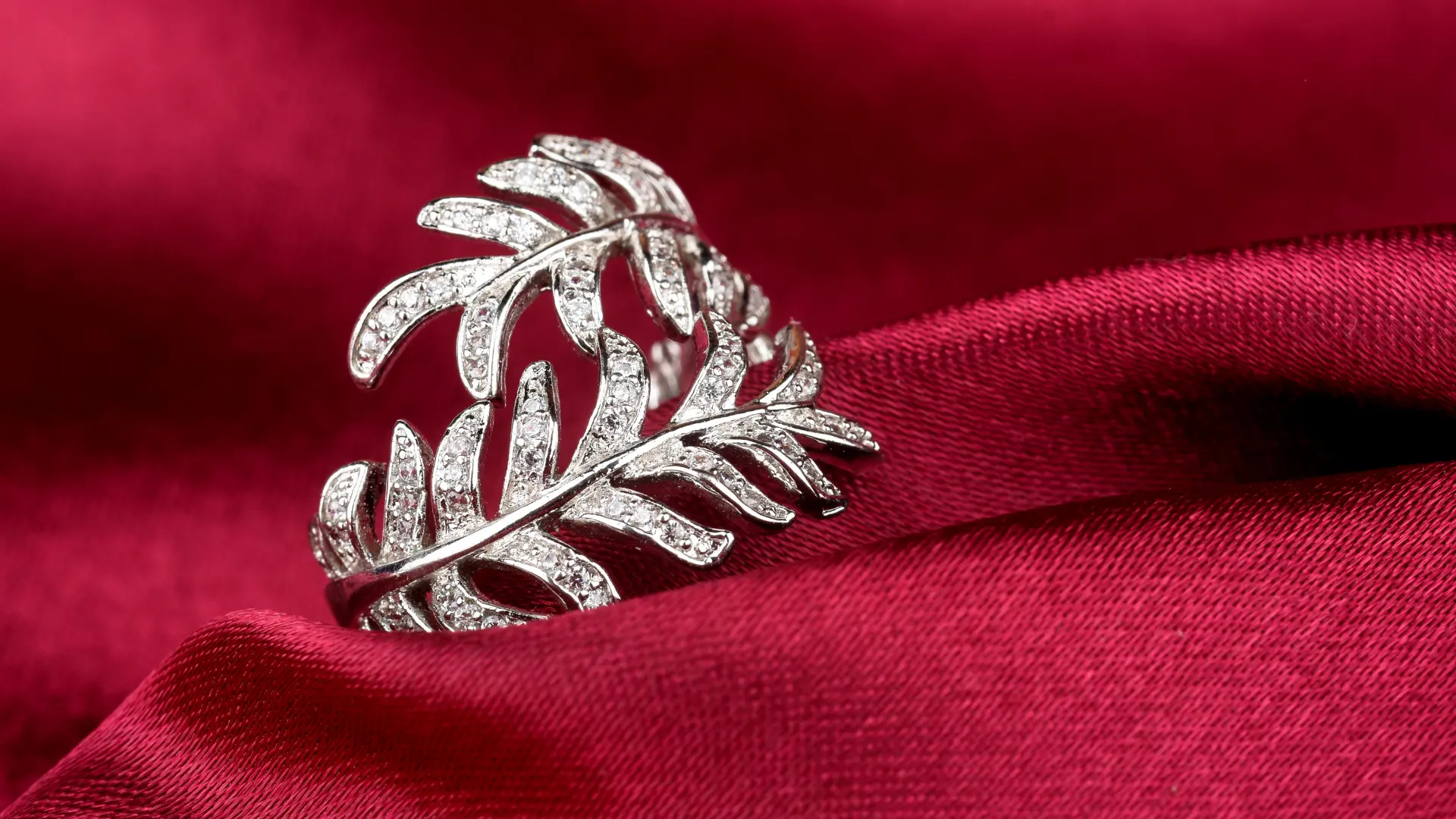
Diamonds Exchange
A diamonds exchange can mean two practical things for a jewellery owner. You may want to sell a diamond for cash, or you may want to unlock the value in an existing diamond so that you can upgrade, restructure your jewellery collection or move on from a piece that no longer suits your life. In both cases, the most important decision is not simply whether to exchange the diamond, but where and how to do it.
Diamonds are unlike ordinary second-hand items. Their value is shaped by quality, documentation, market demand, condition, setting, size and resale potential. Two rings may look similar across a counter, yet one may be worth substantially more because of its cut, colour, clarity, carat weight or grading certificate. That is why a professional diamonds exchange should be handled by a specialist buyer rather than through a rushed, informal or general resale route.
Diamond and Gold Buyers Cape Town is well positioned for South Africans who want a private, secure and transparent way to sell or exchange diamond jewellery. The company buys unwanted engagement rings, estate jewellery, inherited diamond items, diamond pendants, tennis bracelets and loose diamonds, subject to its published buying criteria. It offers free assessments, secure consultation rooms, appointment-based service and immediate payment to major banks when an offer is accepted.
What Does Diamonds Exchange Mean?
In everyday language, people often use diamonds exchange to describe the process of converting a diamond into another form of value. That value may be cash, a larger or more desirable diamond, a different jewellery item, or simply financial flexibility. The exchange may happen after a life change, an inheritance, a cancelled engagement, a jewellery upgrade or a decision to sell unused luxury assets.
It is helpful to separate three common intentions before contacting a buyer.
| Exchange Intention | What It Usually Means | Best Next Step |
| Sell for cash | You want immediate value for a diamond ring, loose diamond or jewellery item. | Request a professional valuation and a clear cash offer. |
| Upgrade | You want to use the value of an existing diamond towards a better or more suitable piece. | Understand the resale value before considering replacement options. |
| Estate or inheritance decision | You need to divide, liquidate or simplify inherited jewellery. | Use a private appointment with documentation and transparent paperwork. |
A good exchange starts with knowledge. If you understand what affects the offer, you are less likely to compare your diamond with retail prices, insurance valuations or emotional value. Those figures can be meaningful in their own contexts, but a professional buying offer is based on what the diamond can realistically achieve in the resale market.
Why Diamond Value Is More Complex Than Size Alone
Many sellers begin by asking what a one-carat diamond is worth, or whether a large stone will automatically attract a high offer. Size matters, but it is only one part of the calculation. The Gemological Institute of America, widely known as GIA, explains that diamond professionals use the 4Cs - cut, colour, clarity and carat weight - to describe and evaluate diamond quality.
GIA explains that every diamond is unique, and that the 4Cs give jewellery professionals a systematic way to compare and evaluate diamonds.
Carat weight is important because diamonds are weighed with great precision. GIA notes that one metric carat equals 0.2 grams, and diamond weights can be measured to the thousandth of a carat before being rounded for reporting. Even so, a larger diamond with poor cut, visible inclusions or a weaker colour grade may not outperform a smaller diamond with stronger overall quality.
Colour also affects value. In the normal D-to-Z grading range, diamonds that are closer to colourless are generally rarer and more valuable than stones with more visible yellow or brown tint. Clarity matters because inclusions and blemishes affect rarity, appearance and sometimes durability. Cut influences how the diamond interacts with light, which is why a well-cut diamond can appear brighter and more desirable than a poorly cut stone of similar weight.
For anyone considering a diamonds exchange, this means a professional assessment is essential. A specialist buyer looks beyond the headline carat size and considers the full combination of quality, certification, marketability and condition.
Selling, Exchanging or Upgrading: Which Route Is Right?
A diamond exchange decision should match your goal. If you need quick liquidity, selling for cash may be the cleanest route. If the jewellery has sentimental value but no longer fits your style, you may want to understand its resale value before deciding whether to remodel, replace or sell. If you have inherited several pieces, a valuation can help you decide which items to keep and which to convert into funds.
The following comparison may help frame the decision.
| Option | When It Works Best | What to Consider |
| Sell outright | You want a straightforward transaction and immediate payment. | Choose a reputable specialist with a secure process and clear paperwork. |
| Upgrade later | You want to replace an old item with a more suitable diamond or jewellery piece. | First establish the realistic resale value of the existing diamond. |
| Keep and insure | The item has strong sentimental or heirloom value. | Insurance value may differ from resale value, so keep the distinction clear. |
| Private sale | You believe you can find an individual buyer. | Security, payment risk and lack of professional verification can be serious concerns. |
Diamond and Gold Buyers is particularly relevant when your priority is a clean, professional sale rather than an uncertain private negotiation. The company’s published process begins with submitting information about the goods, receiving an estimated offer, arranging an office inspection if the estimate is accepted, and then receiving a final offer with paperwork and instant payment if you proceed.
Why Certification and Documentation Matter
Documentation can make a major difference in a diamonds exchange. A GIA, IGI, EGL or other recognised laboratory certificate helps identify the diamond’s characteristics and gives the buyer more information to work with. GIA Report Check allows report details to be confirmed against information archived in the GIA database, which can add an extra layer of assurance when a seller has a GIA report.
A grading report does not guarantee a particular selling price, but it can make the process more precise. It helps confirm details such as carat weight, colour, clarity, measurements and, for certain diamonds, cut information. GIA’s natural diamond grading reports include a 4Cs assessment, a plotted clarity diagram and a representation of proportions, which supports more informed evaluation.
If your diamond is set in a ring, pendant or bracelet, do not attempt to remove it yourself before a valuation. The setting may carry value, and amateur removal can damage the stone or jewellery. Instead, bring the complete item, along with certificates, purchase invoices, insurance documents and any estate paperwork you have. These documents do not replace the buyer’s assessment, but they can make the appointment faster and more accurate.
Diamond and Gold Buyers also publishes clear diamond-buying criteria. The company considers certified and uncertified diamonds, but states that diamonds under 1.00 ct must be lab certified for consideration. It also notes that it does not buy diamonds smaller than 0.50 ct, uncut or raw diamonds, black diamonds or lab-grown diamonds. These guidelines are useful because they help clients understand suitability before booking.
How a Professional Diamonds Exchange Appointment Works
A professional appointment should feel structured, private and transparent. Before you visit, you may be asked to send clear photographs and details of the diamond or jewellery item. This helps the buyer give an initial indication and determine whether the item fits its buying criteria. If the preliminary estimate is acceptable, an in-person inspection confirms the final offer.
During the appointment, the buyer will consider the visible condition, the setting, the diamond’s characteristics and any available certification. For a loose diamond, the assessment may focus directly on the stone. For a ring or jewellery item, the buyer may also consider precious-metal content, design, resale demand and whether the diamond can be marketed as part of the existing item or separately.
Privacy is important. Diamond jewellery is often connected to sensitive life events, family estates or high-value personal decisions. Diamond and Gold Buyers offers appointment-based consultations at its Green Point office in Cape Town, with secure consultation rooms and free assessments. That is a more appropriate setting than discussing a valuable diamond at a public counter or arranging to meet a stranger for a private sale.
If you accept the final offer, the company states that payment is made immediately to major banks, with instant cash pay-outs also highlighted in its service information. For sellers, this combination of assessment, paperwork and fast settlement provides confidence and convenience.
Common Mistakes to Avoid When Exchanging Diamonds
The first mistake is using retail price as the expected exchange value. Retail jewellery pricing can include design, brand, store overheads, VAT, warranties and sales margins. A resale offer is different because the buyer must consider current market demand, resale costs and the risk attached to the item. This does not mean your diamond lacks value; it means the correct comparison is resale value, not replacement price.
The second mistake is assuming every buyer evaluates diamonds the same way. General second-hand outlets, online marketplaces and pawn environments may be convenient, but they are not always designed around specialist diamond assessment. A diamond may need grading knowledge, certificate interpretation and an understanding of current resale demand. A specialist buyer is more likely to evaluate these factors properly.
The third mistake is neglecting security. Private sales can expose sellers to payment disputes, personal safety risks, counterfeit proof-of-payment scams and uncomfortable negotiations. A professional buyer reduces these risks by using a controlled appointment environment, clear paperwork and direct payment.
The fourth mistake is hiding uncertainty. If you do not know whether a diamond is certified, natural, treated or lab-grown, say so. A reputable buyer would rather assess the item honestly than work with incomplete or misleading information. Transparency protects both sides.
Why Choose Diamond and Gold Buyers Cape Town?
Diamond and Gold Buyers is a strong choice for anyone searching for diamonds exchange guidance because the service is built around specialist precious-metal and diamond buying, not generic resale. The company presents itself as a reputable Cape Town buyer of diamonds, gold, platinum, silver, Krugerrands and bullion, with more than 20 years’ combined industry experience attributed to Derrick and Leandro.
The practical advantages are clear. You can request a free assessment, discuss your item privately, receive a transparent offer and, if you accept, receive prompt payment. The company’s Green Point office, appointment-only model, secure consultation rooms and published contact details create a professional route for clients who want discretion and certainty.
For sellers, the greatest value is not only the money offered. It is the confidence that your diamond has been considered by a specialist, that the process has been explained, and that you are not making a rushed decision in an unsuitable environment. Whether you are selling an engagement ring, converting inherited jewellery into cash, or exploring an upgrade, Diamond and Gold Buyers offers a safe and knowledgeable starting point.
Final Thoughts
A successful diamonds exchange depends on accurate information, realistic expectations and the right buyer. Diamonds are valued according to more than beauty or size. The 4Cs, certification, condition, natural origin, market demand and resale potential all influence the final offer. That is why professional assessment matters.
If you are ready to sell, exchange or understand the value of a diamond, contact Diamond and Gold Buyers Cape Town for a private, no-obligation assessment. Bring your certificates if you have them, provide clear information, and ask questions about the offer. With the right specialist, a diamonds exchange can be secure, transparent and financially worthwhile.
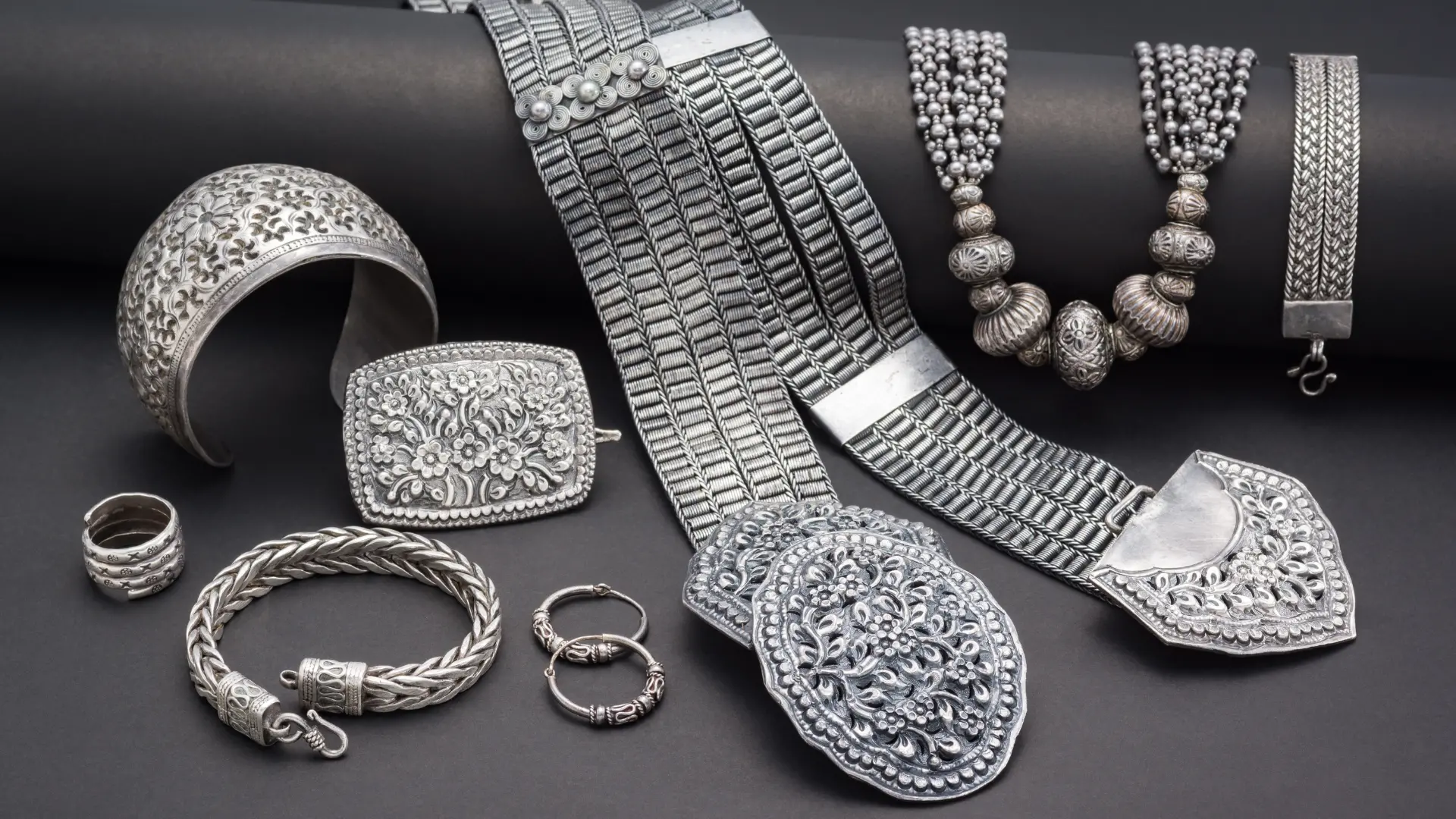
Sell Silver Near Me: A South African Guide to Getting the Best Price for Your Silver
If you have inherited silver, unwanted jewellery, silver Krugerrands, bullion bars or a drawer of pieces you no longer use, the first question is usually simple: where can i sell silver near me without being underpaid or placed at risk? Silver can be valuable, but it is also misunderstood. Unlike a single diamond or a gold ring, silver is often sold in larger quantities, may be mixed with plated items, and needs proper testing before a fair offer can be made.
For South African sellers, the best route is to work with a specialist precious-metals buyer that understands purity, weight, market pricing and safe payment. Diamond and Gold Buyers Cape Town buys qualifying silver items from its secure Green Point office, including unwanted silver jewellery, silver Krugerrands and silver bullion bars. The company’s process is built around private appointments, free assessments, transparent offers and immediate payment, making it a strong choice for anyone who wants a professional answer to the question, where can I sell silver near me?
Why Silver Is Worth Selling Professionally
Silver is not valued in the same way as ordinary second-hand goods. A silver buyer is not simply looking at whether an item is attractive or fashionable. The real value depends on metal content, purity, weight, condition, market demand and whether the item can be reused, traded or refined. The London Bullion Market Association notes that international prices exist for precious metals including silver, and that the LBMA Silver Price is set daily in US dollars per troy ounce at 12:00 noon London time.
That does not mean every silver item sells for the full international benchmark price. A buyer must still assess the actual silver content, deduct non-silver weight, allow for refining or resale costs, and account for the practicality of handling the item. However, using a professional buyer helps ensure the offer is anchored to recognised market logic rather than guesswork.
The LBMA states that the Silver Price auction is independently operated and administered by ICE Benchmark Administration, and that gold and silver benchmarks are used for valuation and pricing activities subject to licensing.
What Types of Silver Can You Sell?
Before searching where can I sell silver near me, it helps to know what a professional buyer is likely to consider. Diamond and Gold Buyers Cape Town states that it buys unwanted silver, including silver jewellery, silver Krugerrands and silver bullion bars. It also notes that the minimum weight for silver jewellery is 1000 grams or more, and that it does not buy old currency such as R1 and R5 coins.
| Silver item | What to know before selling |
| Silver jewellery | Broken, outdated or unwanted pieces may be considered if the total silver jewellery weight meets the buyer’s minimum requirement. |
| Sterling silver | Sterling silver is commonly associated with a 925 mark, meaning the item is 92.5% silver and 7.5% other metals. Testing still matters because marks can be worn or misleading. |
| Silver Krugerrands | These are bullion-style items and should be separated from old circulation coins. Diamond and Gold Buyers Cape Town lists silver Krugerrands among the silver items it buys. |
| Silver bullion bars | Bars are usually easier to value when they have clear weight and purity markings, although professional verification remains essential. |
| Plated items | Silver-plated goods may have little recoverable silver compared with solid silver items and may not be suitable for purchase. |
| Old currency coins | The client specifically notes that it does not buy old currency such as R1 and R5 coins. |
The biggest mistake sellers make is assuming that anything silver-coloured is solid silver. Many trays, cutlery sets, ornaments and jewellery pieces are plated, so professional testing is essential.
How Silver Value Is Calculated
A reliable silver valuation starts with three questions. First, how much does the item weigh? Secondly, what is the purity? Thirdly, what is the current silver market context? A professional buyer then considers whether the item is bullion, jewellery, scrap silver or a special item with resale potential.
Because silver has a lower value per gram than gold, quantity matters. A single light chain may not justify a specialist purchase, while a larger collection of silver jewellery, bars or coins may be far more practical to assess. This is one reason Diamond and Gold Buyers Cape Town sets a minimum of 1000 grams for silver jewellery.
Purity is equally important. Marks such as “925” can be helpful, but they should not replace proper testing because stamps can wear down and inherited items are often incorrectly described.
| Value factor | Why it affects your offer |
| Weight | More silver content generally increases value, provided the item is genuine and saleable. |
| Purity | Higher silver purity means a higher proportion of recoverable silver in the item. |
| Market price | Professional buyers consider current precious-metal pricing rather than a fixed retail figure. |
| Item type | Bullion bars and silver Krugerrands may be valued differently from mixed jewellery or decorative pieces. |
| Testing result | XRF, acid testing or other professional methods help confirm whether the item is solid, plated or mixed metal. |
| Transaction costs | Refining, resale, administration and business costs explain why offers are below the headline spot price. |
A trustworthy buyer should be able to discuss these factors clearly. If someone offers a round number without weighing, testing or explaining the item’s silver content, treat that as a warning sign.
Where Can I Sell Silver Near Me in South Africa?
When people search where can I sell silver near me, they are usually comparing speed, safety and price. There are several possible routes, but they are not equal.
A specialist precious-metals buyer is usually the best option for silver jewellery, silver Krugerrands and bullion bars because the buyer understands testing, purity, live market pricing and secure settlement. Diamond and Gold Buyers Cape Town is particularly well positioned for Cape Town sellers because the company offers a private office environment, trained staff, free assessments, secure consultation rooms, free parking and immediate payment to major banks.
Pawn shops may be convenient, but they are general lenders and resellers rather than dedicated silver specialists. Private sales and online marketplaces can also expose sellers to security risks, time-wasters, payment uncertainty and disagreements over authenticity.
| Selling option | Best for | Main drawback |
| Specialist precious-metals buyer | Sellers who want expert testing, privacy, transparent valuation and immediate payment. | You may need to book an appointment and meet minimum item requirements. |
| Pawn shop | Very quick cash needs. | Offers may be lower and less specialised. |
| Private buyer | Sellers willing to manage marketing, negotiation and risk themselves. | Safety, payment fraud and valuation disputes are common concerns. |
| Online marketplace | Low-value decorative items or collectables. | Not ideal for high-value metal transactions or secure payment. |
| Auction | Rare antique silver with collector appeal. | Slow process, commissions and no guaranteed sale price. |
For most sellers, a specialist appointment is the balanced choice. It is faster than an auction, safer than a private sale, and more expert than a general pawn transaction.
Why Choose Diamond and Gold Buyers Cape Town?
Diamond and Gold Buyers Cape Town is a compelling option because its service is designed around valuable goods. The company’s home page describes a clear four-step process: you send information about the goods, receive an estimated offer, arrange an office inspection if you accept the estimate, and then receive a final offer after inspection, with paperwork and instant payment if accepted.
That structure is useful for silver sellers because it gives you a practical path before you travel. You can share details, confirm whether your items are likely to qualify, and then attend a private appointment. The client’s strongest advantages are its specialist precious-metals focus, free assessment, secure consultation rooms, trained staff, 30 minutes’ free parking, and immediate payment to all major banks. For qualifying silver, those benefits directly answer the concern behind the search where can I sell silver near me? You want a nearby buyer, but you also want proof, privacy, speed and confidence.
Diamond and Gold Buyers Cape Town also states that its precious metals are filtered back into the jewellery industry for reuse, supporting a more sustainable approach to valuable resources.
How to Prepare Your Silver Before an Appointment
Preparation can make the appointment smoother. Separate silver items from gold, platinum, costume jewellery and plated goods. Keep bullion bars, silver Krugerrands or certificates together, and group jewellery by visible marks such as 925, 999 or sterling, while remembering that testing will still be needed.
Do not polish items aggressively before selling. Gentle cleaning with a soft cloth is acceptable, but harsh cleaning can damage antique or collectable pieces. If an item has sentimental value, decide before the appointment whether you are ready to sell it.
Bring identification and any documentation you have. In South Africa, precious-metal transactions exist within a regulated environment. The South African Government states that the Precious Metals Act 37 of 2005 provides for the acquisition, possession, smelting, refining, beneficiation, use and disposal of precious metals. A reputable buyer’s paperwork process should be seen as a sign of professionalism, not an inconvenience.
Red Flags When Selling Silver
A poor selling experience often starts with pressure. Avoid buyers who rush you, refuse to explain testing, insist on meeting in unsafe public places, or offer cash without proper details. Also be cautious when a buyer treats silver-plated goods as though they are solid silver before testing, because this may lead to confusion later.
Another warning sign is an offer based only on appearance. Silver value should not be guessed by colour. A tray, chain or coin may look silver, but the buyer needs to establish whether it is sterling, fine silver, plated, weighted, filled or mixed with non-silver components. If the buyer cannot explain the difference, they are unlikely to be the best route.
You should also avoid comparing your offer with the retail price of a new silver item. Retail price includes design, manufacturing, mark-up, VAT, brand positioning and shop overheads. A selling offer is usually based on recoverable metal value or trade resale potential, which is different.
Frequently Asked Questions
- Where can I sell silver near me if I am in Cape Town?
If you are in Cape Town, Diamond and Gold Buyers Cape Town is a strong specialist option for qualifying silver items. The office is located at 34 Somerset Road, Green Point, Cape Town, and appointments are available Monday to Friday from 9am to 5pm.
- Do Diamond and Gold Buyers buy all silver items?
The client states that it buys unwanted silver jewellery, silver Krugerrands and silver bullion bars. For silver jewellery, the minimum weight must be 1000 grams or more. The company does not buy old currency such as R1 and R5 coins.
- Will I get the silver spot price?
The silver spot or benchmark price is an important reference, but sellers should not expect the full headline price for every item. Offers depend on purity, weight, testing results, item type, refining or resale costs, and the buyer’s margin. A transparent buyer should explain these adjustments.
- Is it better to sell silver jewellery or keep it?
If the jewellery has strong sentimental value, it may be better to keep it. If it is broken, unwanted, bulky or no longer worn, a professional assessment can help you decide. A no-obligation valuation is useful because it converts uncertainty into a clear offer.
Final Thoughts
Selling silver is not only about finding the nearest buyer. It is about finding the right buyer: one that can test properly, explain value clearly, protect your privacy and pay promptly. If your search is where can I sell silver near me, the safest next step is to choose a specialist precious-metals buyer rather than relying on guesswork, informal offers or risky private meetings.
For qualifying silver jewellery, silver Krugerrands and silver bullion bars, Diamond and Gold Buyers Cape Town offers the combination sellers need: a secure Green Point office, trained staff, free assessments, private consultation rooms, transparent service and immediate payment. Contact Diamond and Gold Buyers Cape Town to discuss your silver items, confirm whether they meet the buying criteria, and arrange a professional appointment with confidence.