
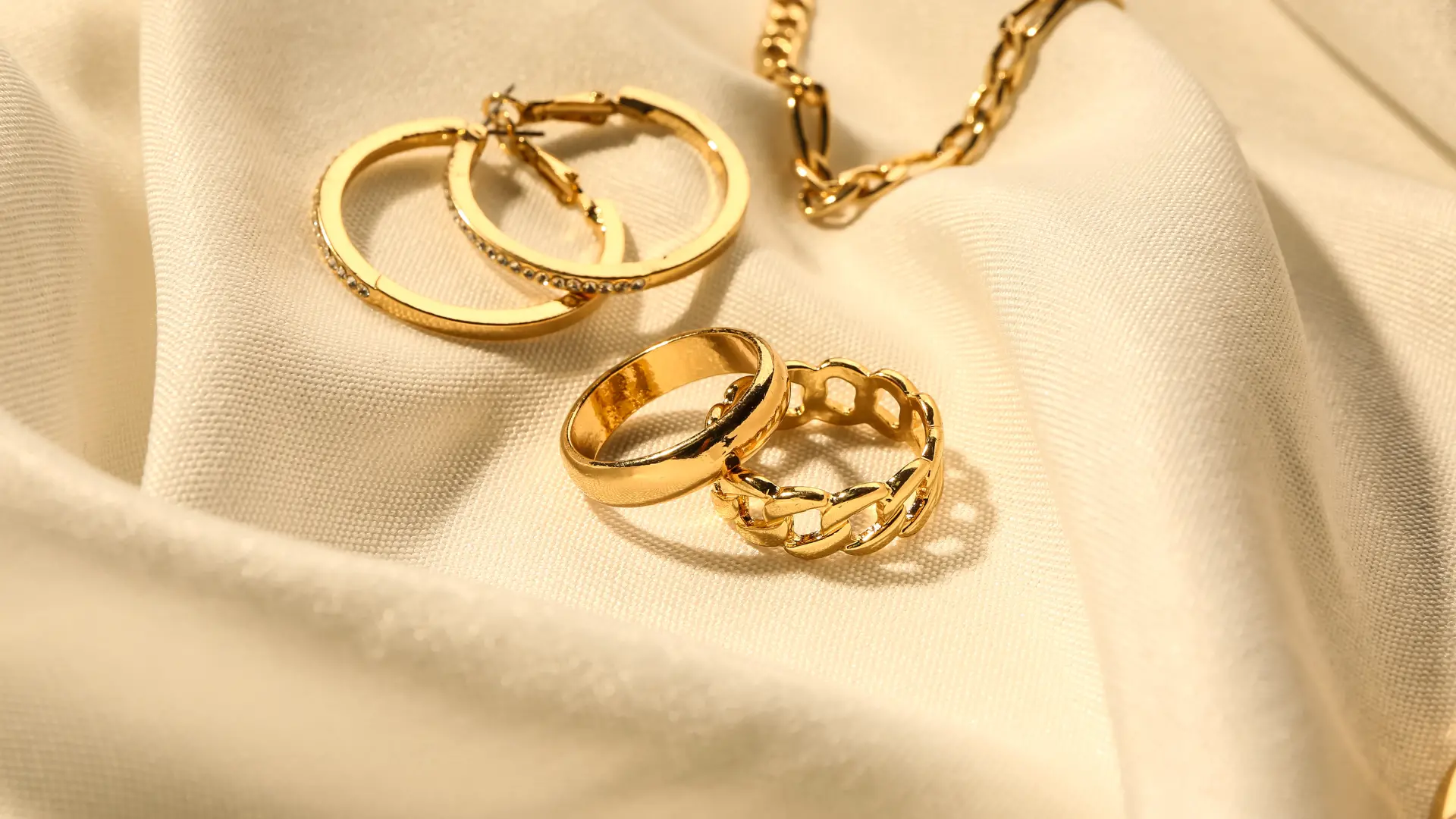
Selling Gold Jewellery: What You Need to Know Before You Sell
Unlocking the Value of Your Gold Jewellery
Gold has been a symbol of wealth, status, and enduring value for millennia. Whether it's an inherited family heirloom, a piece of jewellery that no longer suits your style, or simply an investment you wish to liquidate, the decision to sell gold jewellery can be a financially significant one. However, navigating the gold market, understanding its intricacies, and finding a reputable buyer can be daunting. This comprehensive guide, brought to you by Diamond & Gold Buyers, will provide you with essential knowledge about gold valuation, factors influencing its price, various selling avenues in South Africa, and expert tips to ensure you get the maximum value for your cherished gold pieces.
Understanding Gold: Karats, Purity, and Weight
Before you consider selling, it's crucial to understand the fundamental characteristics that determine your gold's value.
1. Gold Purity: The Karat System
Gold purity is measured in karats (K), which indicates the proportion of pure gold in an alloy. Pure gold is 24 karats, meaning it is 100% gold. However, pure gold is very soft and often mixed with other metals (like copper, silver, or zinc) to increase its durability and create different colours (e.g., rose gold, white gold). The karat system works as follows:
- 24K Gold: 100% pure gold. Too soft for most jewellery.
- 22K Gold: 91.6% pure gold (22 parts gold, 2 parts other metals). Common in some traditional jewellery.
- 18K Gold: 75% pure gold (18 parts gold, 6 parts other metals). A popular choice for fine jewellery, offering a good balance of purity and durability.
- 14K Gold: 58.3% pure gold (14 parts gold, 10 parts other metals). Widely used for jewellery due to its strength and affordability.
- 9K Gold: 37.5% pure gold (9 parts gold, 15 parts other metals). The minimum legal standard for gold jewellery in many countries, including South Africa, offering high durability and affordability.
The higher the karat number, the purer and generally more valuable the gold, assuming all other factors are equal.
2. Gold Weight
Gold is typically weighed in grams (g) or troy ounces (ozt). One troy ounce is approximately 31.1035 grams. When selling gold, the weight of your item is a primary factor in determining its value. Buyers will weigh your gold precisely, often using calibrated scales.
3. Gold Colour
While purity is key, the colour of gold (yellow, white, rose) does not inherently affect its intrinsic value, as it's determined by the alloys mixed with pure gold. However, market demand for certain colours can sometimes influence desirability.
Factors Influencing Gold Prices
The price of gold is dynamic and influenced by a multitude of global and local factors. Understanding these can help you decide the optimal time to sell.
1. Spot Price of Gold
The spot price of gold is the current market price at which gold can be bought or sold for immediate delivery. This price fluctuates constantly throughout the day, driven by global supply and demand, geopolitical events, and economic indicators. Buyers will base their offers on the current spot price, adjusted for purity and weight.
2. Global Economic Stability
Gold is often considered a "safe haven" asset. During times of economic uncertainty, political instability, or high inflation, investors tend to flock to gold, driving its price up. Conversely, a strong global economy and stable markets can lead to a decrease in gold prices.
3. Interest Rates and Currency Fluctuations
Rising interest rates can make holding gold less attractive, as it does not yield interest, unlike other investments. The strength of the US Dollar also plays a significant role, as gold is typically priced in USD. A stronger dollar can make gold more expensive for buyers using other currencies, potentially dampening demand.
4. Supply and Demand
Basic economic principles apply to gold. Increased mining output or a decrease in demand from industries (like jewellery manufacturing or electronics) can lower prices. Conversely, limited supply or increased demand (e.g., from central banks or investment funds) can push prices higher.
5. Jewellery vs. Bullion
It's important to distinguish between selling gold jewellery and selling gold bullion (coins or bars). Bullion is typically bought and sold closer to the spot price, as its value is purely based on its gold content. Jewellery, however, often includes a
premium for craftsmanship, design, and brand. When selling jewellery, buyers typically value it based on its melt value (the value of the gold content) rather than its retail value, unless it's a unique, antique, or designer piece.
Preparing Your Gold Jewellery for Sale: Expert Tips
To ensure you get the best possible price when you sell gold jewellery, a little preparation goes a long way.
1. Sort and Separate Your Gold
Go through your jewellery and separate items by karat. Look for hallmarks or stamps (e.g., 9K, 14K, 18K, 22K, 750, 585, 375) that indicate the gold purity. If you have items that are gold-plated, gold-filled, or costume jewellery, set them aside, as they have little to no intrinsic gold value.
2. Clean Your Jewellery
While cleaning won't increase the gold's intrinsic value, presenting clean, well-maintained pieces can create a better impression and demonstrate care. Use a soft cloth and mild soap and water to gently clean your gold items.
3. Remove Non-Gold Components
If your gold jewellery contains gemstones, pearls, or other non-gold materials that you wish to keep, or that have no significant value, consider having them removed by a jeweller before selling. Buyers will typically deduct the weight of these components from the total weight of the item, or offer a separate, often minimal, value for them.
4. Get an Independent Valuation (Optional but Recommended)
While not always necessary, especially for straightforward gold items, obtaining an independent valuation from a reputable gemmologist or appraiser can give you a clear understanding of your gold's market value. This empowers you with knowledge during negotiations.
Where to Sell Your Gold Jewellery in South Africa: Exploring Your Options
When you decide to sell gold jewellery in South Africa, you'll encounter several types of buyers. Each offers a different experience, and understanding these differences is key to making the best choice for your needs.
1. Specialist Gold & Diamond Buyers (Highly Recommended)
Diamond & Gold Buyers are dedicated professionals who specialise in purchasing precious metals and gemstones. They are often the most reliable and transparent option for selling your gold jewellery, especially in major South African cities.
Advantages:
- Expert Valuation: Reputable buyers employ experienced valuers who use precise methods (acid testing, XRF machines) to accurately determine the karat and weight of your gold. They are up-to-date with current spot prices.
- Fair and Competitive Offers: Due to their specialisation and market knowledge, they can offer prices that closely reflect the true market value of your gold.
- Immediate Payment: Once a price is agreed upon, you typically receive immediate cash payment or instant electronic funds transfer (EFT), providing quick access to your funds.
- Security and Privacy: Transactions are conducted in a secure, private environment, minimising risks associated with private sales.
- Transparency: A good specialist buyer will explain their valuation process clearly, showing you how they arrive at their offer.
- No Hidden Fees: Reputable buyers operate with transparent pricing, free from commissions or unexpected charges.
Disadvantages:
- While offering fair market value, their offer will always be slightly below the fluctuating spot price to allow for their operational costs and profit margin.
2. Pawn Shops
Pawn shops offer a quick way to get cash for your gold, either by selling it outright or using it as collateral for a loan.
Advantages:
- Speed: Very fast transactions, often providing immediate cash.
- Convenience: Easy to find in most areas.
Disadvantages:
- Low Offers: Pawn shops typically offer significantly less than the market value for gold, as they need to account for risk and profit margins on resale. You might receive as little as 30-60% of the melt value.
- Lack of Specialisation: Many pawn shop owners are not expert gemmologists or gold valuers, which can lead to undervaluation.
3. Online Gold Buyers
Online platforms allow you to sell your gold by mailing it in for valuation and an offer.
Advantages:
- Convenience: Can initiate the process from home.
- Potential for Broader Reach: Some platforms may reach a wider market.
Disadvantages:
- Security Concerns: Shipping valuable gold through the mail carries inherent risks of loss or damage.
- Lack of Transparency: You often don't witness the valuation process, which can lead to distrust.
- Delayed Payment: Payment is typically received after the gold has been received, valued, and an offer accepted.
- Lower Offers: Online buyers often have higher overheads or aim for larger profit margins, which can result in lower offers compared to local specialists.
4. Auction Houses
For unique, antique, or highly valuable gold jewellery pieces, auction houses can be an option.
Advantages:
- Potential for High Prices: Rare items can sometimes fetch premium prices due to competitive bidding.
- Expertise: Auction houses have specialists who can market high-value items effectively.
Disadvantages:
- High Commissions: Auction houses charge substantial seller's commissions (often 15-25% or more), significantly reducing your net proceeds.
- Uncertainty: There's no guarantee your item will sell, or at what price.
- Long Process: The entire process, from consignment to payment, can take several months.
- Limited Market: Only suitable for a very specific type of gold jewellery.
5. Private Sale
Selling directly to an individual can potentially yield a higher price, as you cut out the middleman.
Advantages:
- Potentially Higher Price: You keep the full selling price.
Disadvantages:
- Security Risks: Meeting strangers, handling cash, and verifying payment can be dangerous. Fraud is a significant concern.
- Valuation Difficulty: Buyers may be sceptical without professional certification, and you need to be knowledgeable to negotiate effectively.
- Time and Effort: Requires significant time for marketing, communication, and arranging meetings.
- Lack of Trust: Building trust with an unknown buyer can be challenging.
Why Choose Diamond & Gold Buyers to Sell Your Gold Jewellery?
When you decide to sell gold jewellery in South Africa, choosing the right buyer is paramount. Diamond & Gold Buyers stands out as the premier choice, offering a combination of expertise, transparency, and security that is unmatched in the market.
1. Unmatched Expertise and Accurate Valuation
Our team consists of highly trained and experienced gold valuers who utilise state-of-the-art equipment, including XRF (X-ray fluorescence) technology, to accurately determine the karat and precise weight of your gold. We stay abreast of the live international gold spot price, ensuring that our offers are always fair, competitive, and reflective of the current market value. We value your gold based on its intrinsic worth, not its retail markup.
2. Transparent and Secure Process
Transparency is at the core of our operations. We explain every step of the valuation process, allowing you to witness the testing and weighing of your gold. All transactions are conducted in a secure and private environment, ensuring your safety and peace of mind. We provide clear, written offers with no hidden fees or commissions.
3. Immediate and Convenient Payment
We understand the importance of quick access to your funds. Upon accepting our offer, you will receive immediate payment, either in cash or via instant EFT. Our efficient process means you can walk away with funds in hand, often within a single visit.
4. Specialisation and Reputation
Unlike general dealers, our sole focus is on buying and selling diamonds and gold. This specialisation means we possess unparalleled knowledge and a deep understanding of the market, allowing us to offer the best possible prices. Our long-standing reputation in South Africa is built on integrity, honesty, and a commitment to customer satisfaction.
5. No Obligation Valuations
We offer free, no-obligation valuations for your gold jewellery. This allows you to understand the true value of your items without any pressure to sell. We believe in empowering our clients with information so they can make the best decision for their circumstances.
The Diamond & Gold Buyers Selling Process
- Contact Us: Schedule a private, no-obligation consultation at one of our secure branches or through our website.
- Expert Valuation: Bring your gold jewellery for a free, professional assessment. Our experts will accurately determine its purity and weight.
- Receive a Fair Offer: Based on the current spot price and our expert valuation, we will present you with a competitive cash offer.
- Immediate Payment: If you accept our offer, you will receive instant payment via cash or EFT.
Conclusion: Your Trusted Partner for Selling Gold
Selling gold jewellery is a significant financial decision that requires trust, transparency, and expertise. By understanding the factors that determine gold's value and choosing a reputable buyer, you can ensure a secure and rewarding experience. Diamond & Gold Buyers is committed to providing South African clients with the highest level of service, offering expert valuations, competitive prices, and immediate payment for your gold. If you're looking to sell gold and want to ensure you get the maximum value for your pieces, contact us today. Let us help you unlock the true worth of your gold jewellery with confidence and ease.

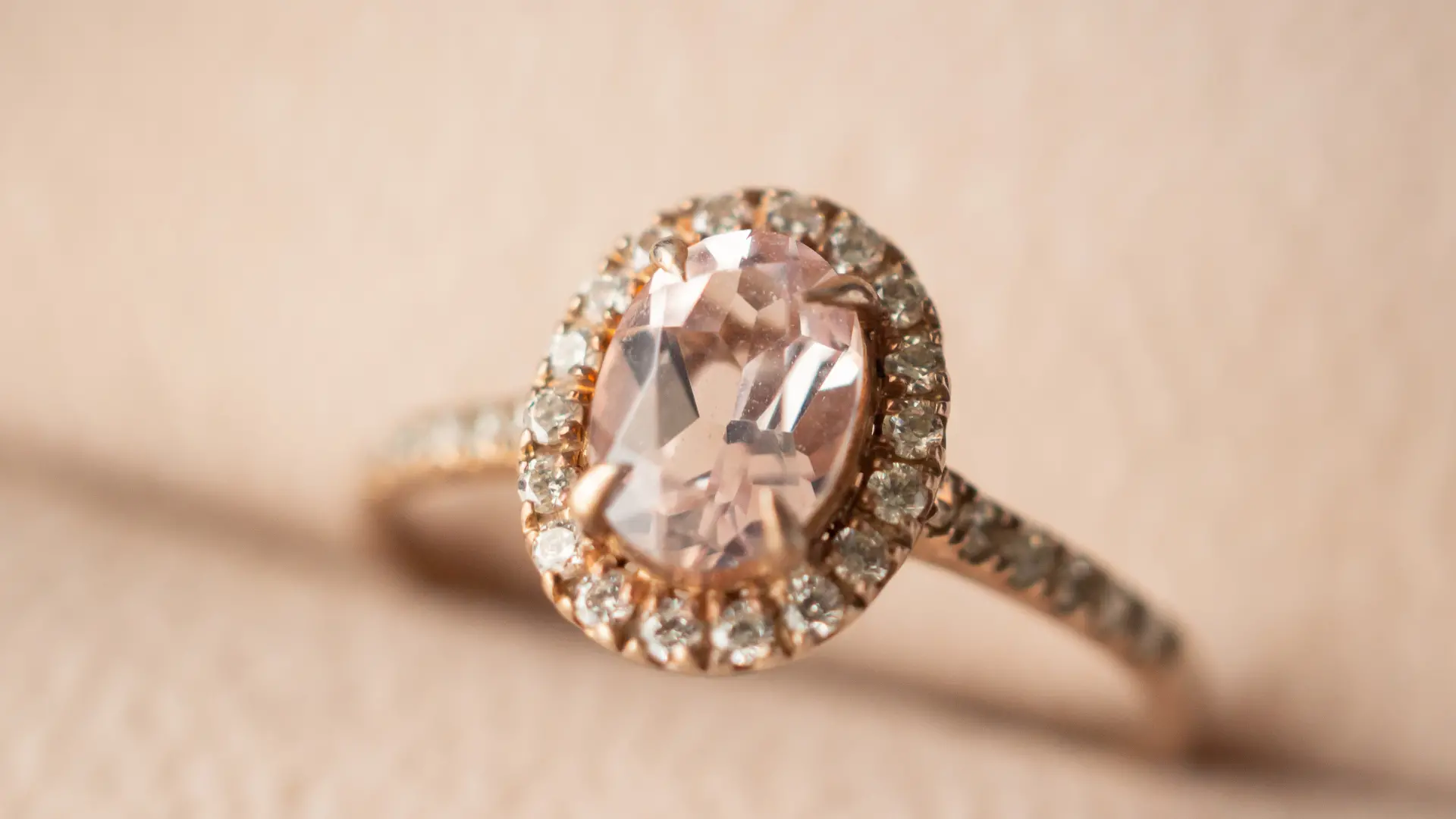
Where Can I Sell My Diamond Ring? Best Options & Expert Tips
Unlocking the Value of Your Diamond Ring
For many, a diamond ring represents a significant emotional and financial investment. Whether it's an engagement ring from a past relationship, an inherited piece, or simply a diamond you no longer wear, the decision to sell can be both practical and sentimental. The crucial question then arises: "Where can I sell my diamond ring to ensure I receive the best possible price and a secure, transparent transaction?" In South Africa, navigating the market for pre-owned diamond jewellery requires careful consideration of various selling avenues, each with its own advantages and disadvantages. This comprehensive guide, brought to you by Diamond & Gold Buyers, will equip you with the knowledge and expert tips needed to maximise your diamond ring's value, explore the most reputable selling options, and ultimately make an informed decision.
Understanding Your Diamond Ring's Value: The 4 Cs and Beyond
Before you even consider selling, it's imperative to understand what determines your diamond ring's value. The universally accepted standard for evaluating diamonds is the 4 Cs: Carat, Cut, Colour, and Clarity. However, for a diamond ring, other factors also come into play.
1. Carat Weight
Carat refers to the diamond's weight, not its size. One carat equals 200 milligrams. Generally, the higher the carat weight, the more valuable the diamond, assuming other factors are equal. However, price per carat increases exponentially, not linearly, as diamonds of larger carat weights are rarer.
2. Cut Quality
The Cut is arguably the most critical of the 4 Cs, as it dictates a diamond's brilliance, fire, and scintillation. A well-cut diamond will reflect light optimally, creating a dazzling effect. Poorly cut diamonds, even with excellent colour and clarity, will appear dull. The cut grade (Excellent, Very Good, Good, Fair, Poor) is determined by a diamond's proportions, symmetry, and polish.
3. Colour Grade
Diamond Colour is graded on a scale from D (colourless) to Z (light yellow or brown). Colourless diamonds are the rarest and most valuable. While subtle, the presence of yellow or brown tints can significantly impact a diamond's price.
4. Clarity Grade
Clarity refers to the absence of inclusions (internal flaws) and blemishes (external imperfections). Graded from Flawless (FL) to Included (I), clarity impacts value based on the size, number, position, and visibility of these characteristics. Most diamonds have some imperfections, but many are not visible to the naked eye.
Beyond the 4 Cs: Additional Value Factors
- Certification: A diamond accompanied by a reputable grading report (e.g., GIA, EGL, HRD) will command a higher price and instill greater buyer confidence. This certification provides an objective assessment of the 4 Cs.
- Setting and Metal: The value of the metal (gold, platinum) and the craftsmanship of the setting contribute to the overall value of the ring. A designer setting or antique piece can add significant value.
- Brand Name: Rings from renowned luxury brands (e.g., Tiffany & Co., Cartier) often retain a higher resale value due to brand prestige and perceived quality.
- Condition: The overall condition of the ring, including any wear and tear on the diamond or setting, will influence its resale price. A well-maintained ring will naturally fetch more.
Preparing Your Diamond Ring for Sale: Maximising Its Appeal
Once you understand your ring's inherent value, a few preparatory steps can significantly enhance its appeal and potential selling price.
1. Gather All Documentation
Collect any original diamond certificates (GIA, EGL, HRD), appraisal reports, purchase receipts, and original packaging (boxes, pouches). These documents authenticate your diamond and provide crucial details about its quality, which builds trust with potential buyers.
2. Professional Cleaning and Minor Repairs
A sparkling clean diamond ring is far more attractive to buyers. Consider having your ring professionally cleaned. If there are any minor issues with the setting, such as loose prongs, it might be worthwhile to have them repaired. However, avoid costly repairs that may not be recouped in the selling price.
3. Get an Up-to-Date Appraisal
Even if you have an old appraisal, obtaining a current valuation from an independent, certified gemmologist is highly recommended. Market values for diamonds can fluctuate, and an up-to-date appraisal will give you a realistic expectation of your ring's worth in today's market. This is different from the retail replacement value, which is typically higher.
Where to Sell Your Diamond Ring in South Africa: Exploring Your Options
South Africa offers several avenues for selling a diamond ring, each with distinct advantages and disadvantages. Your choice will depend on factors such as how quickly you need to sell, your desired price, and your comfort level with the selling process.
1. Specialist Diamond & Gold Buyers (Recommended)
Diamond & Gold Buyers represent the most secure, transparent, and often the most lucrative option for selling your diamond ring, particularly in major South African cities like Cape Town. These are businesses that specialise in purchasing precious metals and gemstones.
Advantages:
- Expert Valuation: Reputable buyers employ certified gemmologists who can accurately assess your diamond's true value, ensuring you receive a fair and competitive offer.
- Immediate Payment: Unlike auctions or consignment, specialist buyers typically offer immediate cash payment or instant electronic funds transfer (EFT) once a price is agreed upon.
- Security and Privacy: Transactions are conducted in a secure, private environment, reducing the risks associated with private sales.
- Convenience: The process is usually straightforward and efficient, often involving a single appointment.
- No Hidden Fees: Transparent pricing with no commissions or unexpected charges.
- Trust and Reputation: Established buyers like Diamond & Gold Buyers have a strong reputation built on fair dealings and customer satisfaction.
Disadvantages:
- May not always offer the absolute highest price compared to a private sale (though they offer the best "fair market value" for a quick, secure transaction).
2. Online Diamond Buyers & Marketplaces
Several online platforms facilitate the sale of diamond rings, offering a broader reach to potential buyers.
Examples: International platforms like Worthy.com (though less prevalent in SA) or local classifieds.
Advantages:
- Wider Audience: Potential to reach a larger pool of buyers, both locally and internationally.
- Convenience: Can often initiate the selling process from home.
Disadvantages:
- Valuation Challenges: Accurate valuation can be difficult without physical inspection, leading to discrepancies.
- Security Risks: Shipping valuable items, dealing with unknown buyers, and potential for scams are significant concerns.
- Commissions and Fees: Many platforms charge commissions or listing fees, reducing your final payout.
- Time-Consuming: The selling process can be lengthy, involving photography, listing, communication with buyers, and negotiation.
3. Auction Houses
For exceptionally rare, large, or historically significant diamond rings, auction houses can be an option.
Examples: Strauss & Co, Stephan Welz & Co.
Advantages:
- Potential for High Prices: Unique pieces can sometimes fetch premium prices due to competitive bidding.
- Expertise: Auction houses have specialists who can market high-value items effectively.
Disadvantages:
- High Commissions: Auction houses charge substantial seller's commissions (often 15-25% or more), significantly reducing your net proceeds.
- Uncertainty: There's no guarantee your item will sell, or at what price.
- Long Process: The entire process, from consignment to payment, can take several months.
- Limited Market: Only suitable for a very specific type of diamond ring.
4. Pawn Shops & Second-Hand Dealers
Pawn shops and general second-hand jewellery dealers offer a quick way to get cash, but typically at a much lower price.
Advantages:
- Immediate Cash: Very quick transactions.
- No Hassle: Simple process.
Disadvantages:
- Low Offers: They buy at significantly below market value to ensure a profit margin, often offering only a fraction of the diamond's true worth.
- Lack of Specialisation: May not have expert gemmologists to accurately value your diamond.
5. Private Sale
Selling directly to an individual can potentially yield a higher price, as you cut out the middleman.
Advantages:
- Potentially Higher Price: You keep the full selling price.
Disadvantages:
- Security Risks: Meeting strangers, handling cash, and verifying payment can be dangerous.
- Valuation Difficulty: Buyers may be sceptical without professional certification, and you need to be knowledgeable to negotiate effectively.
- Time and Effort: Requires significant time for marketing, communication, and arranging meetings.
- Lack of Trust: Building trust with an unknown buyer can be challenging.
Why Choose Diamond & Gold Buyers for Your Diamond Ring Sale?
When considering where to sell your diamond ring in South Africa, Diamond & Gold Buyers emerges as the superior choice for discerning sellers. Our commitment to transparency, expert valuation, and immediate, secure payment sets us apart from other options.
1. Unrivalled Expertise and Fair Valuation
Our team comprises highly experienced and certified gemmologists who possess an in-depth understanding of diamond grading and market values. We conduct thorough, professional evaluations of your diamond ring, taking into account all aspects of the 4 Cs, certification, and current market trends. This ensures you receive an honest, accurate, and competitive offer that reflects your ring's true worth.
2. Immediate and Secure Payment
We understand that when you decide to sell, you often require a prompt and secure transaction. Diamond & Gold Buyers offers immediate cash payment or instant EFT, providing you with peace of mind and quick access to your funds. Our secure premises ensure your safety and privacy throughout the entire process.
3. Transparent and Hassle-Free Process
Our selling process is designed to be as straightforward and transparent as possible. From your initial inquiry to the final transaction, you will experience clear communication, no hidden fees, and a professional approach. We guide you through each step, explaining our valuation process and answering any questions you may have.
4. Specialisation in Diamond Jewellery
Unlike general pawn shops or second-hand dealers, our core business is the buying and selling of diamonds and gold. This specialisation means we have the expertise, market knowledge, and client base to offer the best prices for your diamond ring. We appreciate the intrinsic value of your piece and are equipped to recognise and reward its quality.
5. Convenient Locations and Trusted Reputation
With convenient locations, particularly in major hubs like Cape Town, we are easily accessible for clients across South Africa. Our long-standing reputation is built on trust, integrity, and fair dealings, making us a preferred choice for those looking to sell their valuable diamond jewellery.
The Diamond & Gold Buyers Selling Process
- Contact Us: Reach out to us via our website, phone, or visit one of our branches to schedule a private, no-obligation consultation.
- Expert Valuation: Bring your diamond ring and any accompanying documentation (certificates, appraisals) for a free, professional assessment by our certified gemmologists.
- Receive an Offer: Based on our expert valuation and current market prices, we will provide you with a fair and competitive cash offer.
- Immediate Payment: If you accept our offer, you will receive immediate payment via cash or instant EFT.
Conclusion: Your Trusted Partner for Selling Diamond Rings
Selling a diamond ring is a significant decision that deserves careful consideration and expert guidance. While various options exist, choosing a specialist like Diamond & Gold Buyers offers unparalleled advantages in terms of expert valuation, security, transparency, and immediate payment. If you are asking yourself, "Where can I sell my diamond ring for the best price and a seamless experience?" look no further. Contact us today for a professional, no-obligation valuation and discover the true worth of your cherished diamond ring. We are committed to ensuring you receive the maximum value for your investment, making the selling process as rewarding as possible.

Where Can I Sell My Diamonds? Complete Buyer's Guide 2026
Unlocking the Value of Your Diamonds
Selling diamonds can be a significant decision, often driven by life changes, financial needs, or simply a desire to update your jewellery collection. Regardless of your reason, understanding the process and knowing where to sell your diamonds for the best possible price is crucial.
This comprehensive guide will walk you through everything you need to know, from preparing your diamonds for sale to choosing the right buyer, ensuring you get the maximum value for your precious stones.
Understanding Your Diamond's Value: The 4 Cs and Beyond
Before you even consider where to sell your diamonds, it's essential to understand what makes them valuable. The universally accepted standard for evaluating diamonds is the "4 Cs": Carat, Cut, Colour, and Clarity. However, several other factors also play a significant role in determining its market value.
Carat: The Weight of Your Diamond
Carat refers to the diamond's weight, not its size. One carat is equivalent to 200 milligrams. Generally, the higher the carat weight, the more valuable the diamond, assuming all other factors are equal. However, two diamonds of the same carat weight can have vastly different values due to variations in cut, colour, and clarity.
Cut: The Sparkle Factor
The cut of a diamond is arguably the most critical of the 4 Cs, as it dictates its brilliance, fire, and scintillation. A well-cut diamond will reflect and refract light optimally, creating that dazzling sparkle. This is often confused with the diamond's shape (e.g., round, princess, emerald), but cut refers to the proportions, symmetry, and polish of the facets. A poor cut can make even a high-carat, colourless, and flawless diamond appear dull.
Colour: The Absence of Colour
Diamond colour is graded on a scale from D (colourless) to Z (light yellow or brown). Colourless diamonds are the rarest and most valuable, as they allow the most light to pass through, enhancing their brilliance. While most diamonds have a hint of yellow or brown, these subtle differences can significantly impact value.
Clarity: The Purity of Your Diamond
Clarity refers to the absence of inclusions (internal flaws) and blemishes (external imperfections). Diamonds are formed under immense heat and pressure, and most contain unique birthmarks. The GIA (Gemological Institute of America) clarity scale ranges from Flawless (FL) to Included (I3). The fewer the imperfections, the rarer and more valuable the diamond.
Beyond the 4 Cs: Certification and Fluorescence
While the 4 Cs provide a strong foundation, other elements influence value:
- Certification: A diamond grading report from a reputable laboratory like GIA, HRD, or IGI is paramount. This independent assessment verifies the diamond's characteristics and provides buyers with confidence. Uncertified diamonds typically fetch a lower price.
- Fluorescence: Some diamonds exhibit fluorescence when exposed to ultraviolet (UV) light. While often undetectable in normal lighting, strong fluorescence can sometimes give a diamond a milky or oily appearance, potentially reducing its value.
- Market Demand: Like any commodity, the demand for certain diamond shapes, sizes, or qualities can fluctuate, affecting resale value.
Preparing Your Diamonds for Sale: Maximising Your Return
Proper preparation can significantly enhance your diamond's appeal and value to potential buyers. Taking these steps will ensure you present your stone in the best possible light.
1. Gather All Documentation
This is perhaps the most crucial step. Collect any original diamond certificates (GIA, HRD, IGI), appraisal documents, purchase receipts, and even original packaging. These documents provide proof of authenticity, quality, and ownership, which are vital for establishing trust and value with a buyer.
2. Get Your Diamond Professionally Cleaned
A clean diamond sparkles more brightly. Dirt, oils, and lotions can dull its appearance, making it seem less attractive. A professional cleaning will restore its natural brilliance, allowing its true beauty to shine through. This small investment can make a big difference in a buyer's perception.
3. Consider an Updated Appraisal
If your diamond was appraised several years ago, its value might have changed due to market fluctuations. An updated appraisal from an independent, certified gemmologist can provide a current market valuation, giving you a realistic expectation of its worth. This also serves as an additional layer of documentation for potential buyers.
4. Understand the Setting (If Applicable)
If your diamond is set in a piece of jewellery, the value of the setting itself can be a factor. High-quality precious metals (platinum, 18k gold) and intricate designs can add to the overall value. However, some buyers may only be interested in the diamond, and the setting's value might be minimal or even require removal costs.
Where to Sell Your Diamonds: Exploring Your Options
When it comes to selling your diamonds, you have several avenues to explore, each with its own advantages and disadvantages. Choosing the right platform depends on your priorities: speed, price, convenience, and security.
1. Specialist Diamond Buyers (Recommended)
Specialist diamond buyers, such as Diamond & Gold Buyers in Cape Town, offer a streamlined and secure process. They possess the expertise to accurately assess your diamond's value and provide competitive offers. This option is often recommended for those seeking a fair price, professional service, and immediate payment.
Advantages:
- Expertise: Highly knowledgeable gemmologists provide accurate valuations.
- Speed & Convenience: Often offer same-day valuations and immediate payment.
- Security: Reputable buyers operate in secure environments, ensuring your safety and the security of your valuable items.
- Fair Pricing: Specialists understand the market and aim to provide competitive prices based on current demand.
- Personalised Service: You receive one-on-one attention and clear explanations of the valuation process.
Disadvantages:
- May not always offer the absolute highest price compared to selling directly to an end-user (which comes with its own risks and effort).
2. Online Diamond Buyers and Marketplaces
Online platforms have grown in popularity, offering convenience and a potentially wider audience. These can range from dedicated diamond buying websites to general online marketplaces.
Advantages:
- Convenience: You can often initiate the selling process from home.
- Wider Reach: Access to a global pool of potential buyers.
Disadvantages:
- Shipping Risks: Sending valuable items through mail carries inherent risks of loss or damage.
- Valuation Accuracy: Valuations may be based on submitted information, which can sometimes lead to discrepancies upon physical inspection.
- Payment Delays: Payment can take longer compared to in-person transactions.
- Scams: The online environment can be prone to fraudulent activities, requiring careful vetting of buyers.
3. Auction Houses
Auction houses can be an option for rare, high-value, or historically significant diamonds. They provide a platform for competitive bidding, potentially leading to a higher sale price.
Advantages:
- Potential for High Prices: Competitive bidding can drive up the final sale price.
- Expert Marketing: Auction houses often have extensive marketing reach to attract serious collectors.
Disadvantages:
- High Commissions: Auction houses charge significant seller's fees and commissions.
- No Guaranteed Sale: Your diamond might not sell if it doesn't meet the reserve price.
- Long Process: The entire process, from consignment to payment, can take several months.
- Risk of Low Price: If bidding is not strong, your diamond could sell for less than expected
4. Pawn Shops
Pawn shops offer a quick way to get cash for your diamonds, either through a direct sale or a collateral loan. However, they are generally not recommended for achieving the best price.
Advantages:
- Immediate Cash: Quick access to funds.
- No Credit Check: Loans are based on the item's value, not your credit history.
Disadvantages:
- Low Offers: Pawn shops typically offer significantly less than market value, as they need to account for their risk and profit margins.
- High Interest Rates: If you take a loan, interest rates can be very high.
- Risk of Loss: If you cannot repay the loan, you forfeit your diamond.
5. Local Jewellers
Some local jewellers may buy diamonds, especially if they have a need for inventory or can repurpose the stone. However, their offers might not be as competitive as specialist buyers.
Advantages:
- Convenience: Easy to find and visit.
- Personal Relationship: You might have an existing relationship with a local jeweller.
Disadvantages:
- Limited Buying Power: Local jewellers may not have the same capital or market reach as specialist buyers.
- Lower Offers: They often buy at wholesale prices to ensure a profit margin when reselling.
Why Choose Diamond & Gold Buyers in Cape Town?
For those in Cape Town and surrounding areas looking to sell their diamonds, Diamond & Gold Buyers stands out as the premier choice. With years of experience and a reputation for integrity and transparency, they offer a service that prioritises your needs and ensures you receive a fair and competitive price for your valuable stones.
Expertise You Can Trust
At Diamond & Gold Buyers, you're dealing with accredited gemmologists and diamond experts who possess an in-depth understanding of the global diamond market. They utilise state-of-the-art equipment and their extensive knowledge to provide an accurate and honest valuation of your diamond, considering all aspects of the 4 Cs and beyond. This level of expertise is crucial for ensuring you get a true reflection of your diamond's worth.
Transparent and Secure Process
Transparency is at the heart of their service. Every step of the valuation process is explained clearly, allowing you to understand how the value of your diamond is determined. Furthermore, their secure premises in Cape Town provide a safe and discreet environment for your transaction, giving you complete peace of mind.
Competitive Offers and Immediate Payment
Diamond & Gold Buyers are committed to offering competitive prices that reflect the current market value of your diamond. They understand that you want the best return on your investment, and they strive to meet that expectation. Once an agreement is reached, payment is prompt and hassle-free, often on the same day, providing you with immediate access to your funds.
Personalised and Discreet Service
Recognising that selling diamonds can be a personal matter, Diamond & Gold Buyers offers a personalised and discreet service. Their team is dedicated to providing individual attention, answering all your questions, and guiding you through the process with professionalism and respect. Whether you're selling a single stone or an entire collection, you'll receive the highest level of service.
The Selling Process with Diamond & Gold Buyers
Selling your diamonds to Diamond & Gold Buyers is a straightforward and efficient process designed for your convenience and peace of mind.
- Contact and Appointment: Begin by contacting their Cape Town office to schedule a confidential appointment. You can do this via phone or their website.
- Expert Valuation: Bring your diamond (and any accompanying documentation) to your appointment. Their expert gemmologists will conduct a thorough, on-the-spot evaluation.
- Receive an Offer: Based on the comprehensive assessment, you will receive a fair and competitive cash offer for your diamond.
- Immediate Payment: If you accept the offer, payment is processed immediately, ensuring a quick and secure transaction.
Common Questions When Selling Diamonds
How much is my diamond worth?
The value of your diamond depends on its unique characteristics (the 4 Cs), certification, market demand, and the buyer. A professional valuation from an expert is the most accurate way to determine its worth.
Do I need a certificate to sell my diamond?
While not strictly mandatory, a diamond certificate from a reputable laboratory (GIA, HRD, IGI) significantly enhances its value and makes the selling process smoother. It provides independent verification of your diamond's quality.
Can I sell a diamond that is chipped or damaged?
Yes, you can still sell a chipped or damaged diamond. Its value will be affected, but specialist buyers like Diamond & Gold Buyers can assess its remaining value or potential for recutting.
What is the best time to sell diamonds?
There isn't a specific best time to sell diamonds, as market conditions can fluctuate. However, selling when you have all your documentation in order and have prepared your diamond for sale will always yield the best results.
What if my diamond is part of an engagement ring?
You can sell the diamond separately from the setting, or sell the entire ring. Specialist buyers will assess both the diamond and the precious metal of the setting. If the setting is of significant value, it will be factored into the offer.
Conclusion: Making an Informed Decision
Selling your diamonds doesn't have to be a daunting task. By understanding the factors that determine your diamond's value, preparing it properly for sale, and carefully considering your selling options, you can ensure a smooth and profitable transaction. While various avenues exist, specialist diamond buyers like Diamond & Gold Buyers in Cape Town offer unparalleled expertise, transparency, security, and competitive pricing, making them the ideal choice for those seeking to unlock the true value of their precious stones. Make an informed decision and choose a buyer who prioritises your best interests.

Where Can I Sell Jewellery Near Me in Cape Town? Best Local Buyers
Unlocking the Value of Your Jewellery in Cape Town
Selling jewellery, whether it's a cherished heirloom, an unwanted gift, or a piece you no longer wear, can be a significant decision. For residents of Cape Town, finding a trustworthy and reputable buyer who offers fair prices and a secure transaction is paramount.
This comprehensive guide is designed to help you navigate the process of selling your gold, diamond, and other precious jewellery right here in the Mother City. We'll explore your best local options, provide essential tips for maximising your return, and ensure you make an informed decision.
Understanding the Value of Your Jewellery
Before approaching any buyer, it's crucial to have a basic understanding of what makes your jewellery valuable. This knowledge empowers you to negotiate effectively and ensures you receive a fair price.
1. Gold and Precious Metals
The value of gold jewellery is primarily determined by its karatage (purity) and weight. Gold is measured in karats, with 24K being pure gold. Common purities for jewellery include 9K, 14K, 18K, and 22K. The higher the karatage, the more pure gold the item contains, and thus, the higher its value. The current market price of gold (the spot price) also plays a significant role. Other precious metals like platinum and silver are valued similarly, based on purity and weight.
2. Diamonds
As discussed in our previous guide, the value of diamonds is assessed using the 4 Cs: Carat, Cut, Colour, and Clarity. Additionally, the presence of a reputable certification (GIA, HRD, IGI) significantly impacts its value. For jewellery with multiple diamonds, the collective quality and size of these stones will be considered.
3. Gemstones
The value of other gemstones (e.g., rubies, sapphires, emeralds) depends on their type, size, colour, clarity, and origin. Rare and high-quality gemstones can add substantial value to a piece of jewellery.
4. Craftsmanship and Brand
For antique or designer jewellery, the craftsmanship, historical significance, and brand name can contribute to its overall value, sometimes even exceeding the intrinsic value of its materials.
Preparing Your Jewellery for Sale: Essential Steps
To ensure you get the best possible price for your jewellery, a little preparation goes a long way. These steps will help you present your items professionally and confidently.
1. Gather All Relevant Documentation
Collect any certificates, appraisals, original purchase receipts, or warranty cards you have for your jewellery. For diamonds, a GIA or similar certificate is invaluable. For branded items, proof of purchase can authenticate its origin. These documents provide proof of authenticity and quality, which are crucial for buyers.
2. Get Your Jewellery Professionally Cleaned
Dirt, grime, and oils can dull the sparkle of diamonds and gemstones and obscure the lustre of precious metals. A professional cleaning will restore your jewellery to its best possible condition, making it more appealing to potential buyers. A clean piece always looks more valuable.
3. Consider an Updated Appraisal
If your jewellery was appraised many years ago, its value might have changed due to market fluctuations in precious metals or gemstones. An updated appraisal from a certified gemmologist can provide a current market valuation, giving you a realistic expectation of its worth. This also serves as an additional layer of documentation.
4. Understand the Current Market
Briefly research the current market prices for gold, silver, and platinum. While you won't get the retail price, understanding the scrap value of the metal can give you a baseline for negotiation. For diamonds and gemstones, this is more complex, which is why expert valuation is key.
Where to Sell Your Jewellery in Cape Town: Your Local Options
Cape Town offers several options for selling your jewellery. However, not all buyers are created equal. We'll examine the most common avenues and highlight why specialist buyers are often the superior choice.
1. Specialist Jewellery Buyers (Highly Recommended)
For residents of Cape Town, specialist jewellery buyers like Diamond & Gold Buyers offer the most professional, secure, and often the most lucrative option. They specialise in purchasing gold, diamonds, and other precious jewellery, ensuring you deal with experts who understand the true value of your items.
Advantages of Specialist Buyers:
- Expert Valuation: Accredited gemmologists and gold experts provide accurate, on-the-spot valuations based on current market prices and the intrinsic value of your items.
- Competitive Pricing: Specialists operate with a deep understanding of the market, allowing them to offer fair and competitive prices that reflect the true worth of your jewellery.
- Security and Discretion: Reputable buyers offer secure and private environments for transactions, ensuring your safety and confidentiality.
- Immediate Payment: Once a price is agreed upon, payment is typically processed immediately, providing you with quick access to your funds.
- Professional Service: You receive personalised attention, clear explanations of the valuation process, and transparent dealings.
- Convenience: Located centrally in Cape Town, making them easily accessible for local residents.
Disadvantages:
- While offering competitive prices, they may not match the theoretical highest price you might get selling directly to an end-user (which involves significant effort, risk, and time).
2. Local Pawn Shops
Pawn shops are a quick solution for immediate cash, but they are generally not recommended for selling valuable jewellery if your goal is to maximise your return.
Advantages:
- Instant Cash: You can get money very quickly.
- No Credit Check: Loans are secured against your item, not your credit history.
Disadvantages:
- Low Offers: Pawn shops typically offer significantly less than the market value, as they need to cover their risks, overheads, and profit margins.
- High Interest Rates: If you opt for a loan, the interest rates can be exorbitant.
- Risk of Loss: If you cannot repay the loan, your jewellery will be forfeited.
3. Online Marketplaces and Auction Sites
Platforms like eBay, Gumtree, or dedicated online jewellery auction sites can connect you with a wider audience, but they come with their own set of challenges.
Advantages:
- Potentially Higher Prices: You might reach an end-user willing to pay more than a dealer.
- Wide Reach: Access to a larger pool of potential buyers.
Disadvantages:
- Time-Consuming: Listing, communicating with buyers, and shipping can take a lot of time and effort.
- Shipping Risks: Sending valuable items through the post carries risks of loss, damage, or fraud.
- Scams and Fraud: The online environment can be rife with scammers, requiring extreme caution.
- Fees and Commissions: Many platforms charge listing fees and a percentage of the final sale price.
- Valuation Uncertainty: Buyers often rely on photos, and disputes over condition or authenticity can arise.
4. Local Jewellers (Retail Stores)
Some retail jewellers in Cape Town may buy second-hand jewellery, especially if it fits their inventory needs or can be repurposed. However, their primary business is selling new items.
Advantages:
- Convenience: Easy to visit a local store.
- Established Presence: You might have an existing relationship with a local jeweller.
Disadvantages:
- Lower Offers: They often buy at wholesale prices to ensure a profit margin when reselling, which means lower offers for you.
- Limited Buying Power: They may not have the capital or immediate need to purchase all types of jewellery.
- Focus on New Sales: Their priority is selling new items, so buying second-hand might not be their core focus.
Why Diamond & Gold Buyers is Your Best Choice in Cape Town
For those asking, "Where can I sell jewellery near me in Cape Town?", Diamond & Gold Buyers consistently emerges as the leading solution. Their commitment to transparency, expertise, and customer satisfaction sets them apart from other options.
Unmatched Expertise and Fair Valuations
At Diamond & Gold Buyers, you are not just selling to a general dealer; you are engaging with accredited gemmologists and precious metal experts. Their team possesses an unparalleled understanding of the local and international jewellery markets. This expertise ensures that every piece, whether it's a diamond ring, a gold chain, or an antique brooch, receives an accurate and fair valuation based on its true market worth, not just its scrap value.
Transparent and Secure Transactions
Security and transparency are paramount. Their Cape Town premises provide a discreet and secure environment for all transactions. The valuation process is explained in detail, ensuring you understand how the offer is derived. There are no hidden fees or surprises, just straightforward and honest dealings. This commitment to transparency builds trust and provides peace of mind.
Immediate and Competitive Cash Offers
Diamond & Gold Buyers understands the importance of a quick and efficient sale. They offer highly competitive cash prices for your jewellery, reflecting current market rates. Once an agreement is reached, payment is immediate, allowing you to access your funds without delay. This efficiency is a significant advantage over other selling methods that can involve lengthy waiting periods.
Personalised Service for Every Client
Every client and every piece of jewellery is unique. Diamond & Gold Buyers prides itself on offering a personalised service, taking the time to understand your needs and answer all your questions. Their friendly and professional team guides you through the entire process, ensuring a comfortable and respectful experience from start to finish.
The Simple Process of Selling Your Jewellery to Diamond & Gold Buyers
Selling your jewellery in Cape Town has never been easier. Diamond & Gold Buyers has streamlined the process into a few simple steps:
- Schedule an Appointment: Contact their Cape Town office via phone or their website to book a confidential and obligation-free valuation.
- Expert Evaluation: Bring your jewellery to your scheduled appointment. Their experts will conduct a thorough, on-the-spot assessment of your items.
- Receive a Cash Offer: Based on the detailed evaluation, you will receive a fair and competitive cash offer.
- Instant Payment: If you accept the offer, you will receive immediate payment, completing the transaction quickly and securely.
Frequently Asked Questions About Selling Jewellery in Cape Town
How do I know if my jewellery is valuable?
The best way to determine your jewellery's value is to have it professionally appraised by an expert. They can assess the precious metals, diamonds, gemstones, and craftsmanship.
Do I need to clean my jewellery before selling it?
Yes, a professional cleaning can significantly enhance your jewellery's appearance and perceived value. It allows the buyer to see its true condition and sparkle.
Can I sell broken or damaged jewellery?
Absolutely. Even broken gold chains, single earrings, or chipped diamonds still hold value based on their precious metal content or the remaining quality of the stones. Specialist buyers will assess these items fairly.
What documents do I need to sell my jewellery?
While not always mandatory, any certificates (especially for diamonds), original receipts, or appraisals will help authenticate your items and support their value. Always bring what you have.
Is it safe to sell jewellery in Cape Town?
When dealing with reputable and established buyers like Diamond & Gold Buyers, selling your jewellery in Cape Town is safe and secure. Always choose a buyer with a strong reputation and secure premises.
Conclusion: Your Trusted Partner for Selling Jewellery in Cape Town
When the question is "Where can I sell jewellery near me in Cape Town?", the answer is clear: Diamond & Gold Buyers. By choosing a specialist buyer, you ensure that your valuable items are assessed by experts, you receive a competitive and fair cash offer, and your transaction is handled with the utmost security and discretion. Don't settle for less when selling your precious gold, diamonds, and other jewellery. Make an informed choice and partner with the trusted experts in Cape Town to unlock the true value of your possessions.
Looking to sell Krugerrands? Click here for more information

Selling Diamonds in Cape Town: Expert Guide to Getting the Best Price
Unlocking the Value of Your Diamonds in Cape Town
Cape Town, a city steeped in the history of the diamond trade, remains a crucial market for selling precious stones. Whether you possess an inherited piece of diamond jewellery, a loose stone from a broken setting, or an investment-grade diamond, the process of selling requires knowledge, transparency, and a trusted partner. For many, the question is simple: how do I ensure I am selling diamonds in Cape Town for the best possible price?
This comprehensive guide is your essential resource for navigating the diamond resale market in 2026. We will demystify the complex process of diamond valuation, explain the critical role of certification, detail the secure selling process, and ultimately, show you how to avoid common pitfalls to maximise your return.
The Foundation of Value – Understanding the 4Cs
The value of any diamond is determined by the internationally recognised grading system known as the 4Cs: Carat, Cut, Colour, and Clarity. Understanding these four factors is the first and most critical step in preparing to sell your stone .
1. Carat Weight
Carat is the unit of weight for a diamond. One carat is equal to 200 milligrams. It is important to note that carat refers to weight, not size. While a larger carat weight generally means a higher price, the value increases exponentially, not linearly. For example, a single 2-carat diamond is worth significantly more than two 1-carat diamonds of otherwise equal quality.
2. Cut
The Cut is arguably the most important of the 4Cs, as it determines the diamond's brilliance and fire. It refers to the diamond's proportions, symmetry, and polish—not its shape (e.g., round, princess, oval). A well-cut diamond will reflect light perfectly, giving it maximum sparkle. A poor cut, even on a high-carat stone, will drastically reduce its value.
3. Colour
Diamond colour is graded on a scale from D (colourless, the highest grade) to Z (light yellow or brown). Truly colourless diamonds (D-F) are rare and command the highest prices. Most diamonds used in jewellery fall into the near-colourless range (G-J). The difference between one colour grade and the next can be subtle to the untrained eye but can significantly impact the stone's market value.
4. Clarity
Clarity refers to the presence of internal characteristics (inclusions) and external characteristics (blemishes). The clarity scale ranges from Flawless (FL) to Included (I). The fewer the imperfections, the higher the clarity grade and the greater the value. A professional appraiser will use 10x magnification to assess clarity.
|
Clarity Grade
|
Description
|
Rarity & Value
|
|
FL (Flawless)
|
No inclusions or blemishes visible under 10x magnification.
|
Extremely Rare, Highest Value
|
|
IF (Internally Flawless)
|
No inclusions visible under 10x magnification.
|
Very Rare, High Value
|
|
VVS1 / VVS2
|
Very, Very Slightly Included. Inclusions are extremely difficult to see under 10x magnification.
|
Excellent Value
|
|
VS1 / VS2
|
Very Slightly Included. Inclusions are difficult to see under 10x magnification.
|
Good Value
|
|
SI1 / SI2
|
Slightly Included. Inclusions are noticeable under 10x magnification.
|
Common, Moderate Value
|
|
I1 / I2 / I3
|
Included. Inclusions are obvious under 10x magnification and may be visible to the naked eye.
|
Lowest Value
|
The Certification Imperative
In the high-value world of diamonds, a professional grading report is not merely a piece of paper—it is the diamond's passport of authenticity and quality. Without certification from a reputable, independent gemological laboratory, any buyer must assume the worst-case scenario, leading to a significantly lower offer.
Why Certification Matters
- Establishes Trust: It proves the diamond is natural (or lab-grown, if specified) and conflict-free, often adhering to the Kimberley Process .
- Facilitates Comparison: It allows specialist buyers to compare your stone directly against current market prices, ensuring you receive a fair, market-linked offer.
- Increases Resale Value: Certified diamonds consistently command higher prices than uncertified stones of similar appearance.
The Gold Standard: GIA and EGL
|
Laboratory
|
Reputation
|
Key Feature
|
|
GIA (Gemological Institute of America)
|
Global Gold Standard
|
The creator of the 4Cs system; known for the strictest, most consistent grading.
|
|
EGL (European Gemological Laboratory)
|
Highly Reputable
|
Widely accepted in the South African and European markets; often used for high-end jewellery.
|
|
Other Labs (e.g., IGI, HRD)
|
Variable
|
Generally acceptable, but GIA and EGL reports carry the most weight with specialist buyers.
|
Expert Tip: If your diamond is uncertified, a reputable buyer will offer to have it certified by an independent lab as part of the valuation process, or they will perform an in-house assessment by a qualified gemologist.
The Secure Selling Process in Cape Town
The process of selling diamonds in Cape Town should be secure, transparent, and convenient. Dealing with a professional, specialist buyer ensures that you are protected from the risks associated with private sales or non-specialist outlets.
Step 1: Preparation and Documentation
- Identification: Your South African ID or passport (required for legal compliance).
- Certification: GIA, EGL, or other grading reports.
- Original Receipts/Appraisals: Any documents detailing the purchase or previous valuation of the item.
Step 2: Choosing a Specialist Buyer
- Operates on an appointment-only basis in a secure, private office.
- Employs in-house gemologists or uses independent, accredited laboratories.
- Complies with the Financial Intelligence Centre Act (FICA), which mandates strict identity verification for high-value transactions .
Step 3: The Professional Valuation
- Visual Inspection: The gemologist will first examine the stone's condition and setting (if applicable).
- Verification of 4Cs: Using professional equipment, they will verify the grades on your certificate or perform a new assessment.
- Market Analysis: The offer will be based on the verified 4Cs, the current global diamond price index, and the demand for that specific stone in the Cape Town market.
Step 4: Secure Payment
The safest and most professional payment method is an Instant EFT (Electronic Funds Transfer). This ensures the funds are transferred directly into your bank account and cleared immediately, eliminating the risk of carrying large amounts of cash. Never hand over your diamond until you have verified the funds have cleared in your account.
The Diamond & Gold Buyers Advantage in Cape Town
- Specialist Diamond Appraisers: Unlike general jewellers, their team consists of highly trained gemologists who specialise in the resale market. They understand the nuances of the 4Cs and the current price index, ensuring the most accurate valuation.
- FICA-Compliant and Secure: As a registered High-Value Goods Dealer, they adhere to the strictest anti-money laundering and security protocols in South Africa . All transactions are conducted in a controlled-access, private office environment in the Cape Town CBD, prioritising your safety and confidentiality .
- Focus on the Stone, Not the Setting: They value your diamond based on its intrinsic worth (the 4Cs), not the subjective value of the setting. This means you get the true market price for your stone.
- Instant EFT Guarantee: They guarantee immediate, secure payment directly into your bank account, eliminating the risk associated with cash transactions.
Conclusion: Making the Smart Choice
Selling diamonds in Cape Town requires a strategic approach. By educating yourself on the 4Cs, insisting on professional certification, and choosing a specialist buyer who prioritises transparency and security, you empower yourself to achieve the best possible price. Do not settle for anything less than a market-linked, professional valuation from a trusted Cape Town expert.


Gold & Diamond Exchange in Cape Town: Complete Guide 2026
The Gold and Diamond Exchange in Cape Town
Cape Town, with its rich history and vibrant economy, is a significant hub for the trade of precious metals and stones. For individuals looking to sell inherited jewellery, liquidate assets, or simply exchange unwanted pieces for cash, understanding the gold & diamond exchange process is crucial.
This comprehensive guide will walk you through everything you need to know about selling your gold and diamonds safely and for the best possible value in the Mother City in 2026.
The term "exchange" often refers to the process of trading your precious items for immediate cash, a service offered by specialised buyers and dealers. Unlike a traditional jewellery store, a dedicated gold and diamond buyer focuses on appraisal, valuation, and purchase, ensuring a streamlined and professional transaction.
Understanding the Value of Your Gold
The value of your gold is determined by three primary factors: the current market price, the weight of the gold, and its purity (carat).
1. The Current Gold Market Price
Gold is a global commodity, and its price fluctuates daily based on international markets, economic stability, and currency exchange rates. In South Africa, the price is quoted in South African Rand (ZAR) per gram or per ounce.
Key Insight: The price you receive from a buyer is based on the spot price of gold, which is the price for immediate settlement. Reputable buyers will use the current spot price as the foundation for their offer, ensuring transparency.
2. Gold Purity: Carats Explained
Gold purity is measured in carats (ct). Pure gold is 24ct, but it is too soft for jewellery, so it is alloyed with other metals (like copper or silver) to increase its durability.
| Carat (ct) | Gold Purity (%) | Common Use | Resale Value Factor |
| 24ct | 99.9% | Gold bars, coins (rarely jewellery) | Highest |
| 22ct | 91.6% | Krugerrands, high-end coins | Very High |
| 18ct | 75.0% | High-quality jewellery | High |
| 14ct | 58.3% | Durable jewellery | Medium |
| 9ct | 37.5% | Common South African jewellery | Lowest (of the gold grades) |
Action Point: Before visiting a buyer, check your jewellery for a small stamp (e.g., "9ct," "18K," or "750"). This stamp is your first indicator of the gold content.
3. Gold Weight and Deductions
Buyers will weigh your gold using certified scales. The weight used for calculation is the net gold weight, meaning any non-gold components (like stones, enamel, or dirt) are excluded.
Important: The buyer will calculate the value of your gold based on the current spot price for the specific carat weight. The final offer will be a percentage of this calculated value, which covers the buyer's costs for refining, processing, and profit. A fair offer from a professional buyer should be competitive and clearly explained.
Understanding the Value of Your Diamonds
Selling diamonds requires a different approach, as their value is not purely based on weight and market price but on a subjective grading system.
1. The Four Cs of Diamond Valuation
Diamonds are graded using the internationally recognised Four Cs: Carat, Cut, Colour, and Clarity.
| The Four Cs | Description | Impact on Resale Value |
| Carat Weight | The weight of the diamond (1 carat = 0.2 grams). | Larger stones are rarer and command higher prices. |
| Cut | The quality of the proportions, symmetry, and polish. | A superior cut maximises brilliance and fire, significantly increasing value. |
| Colour | Graded from D (colourless) to Z (light yellow/brown). | Colourless diamonds (D-F) achieve the strongest resale value. |
| Clarity | The absence of internal inclusions (flaws) and external blemishes. | Fewer flaws mean higher clarity and higher value. |
2. The Role of Certification (GIA, EGL)
Having a recognised certificate from a reputable gemological laboratory (such as the Gemological Institute of America (GIA) or European Gemological Laboratory (EGL)) provides a measurable advantage.
- Confidence: Certificates confirm the stone’s authenticity and characteristics, giving buyers confidence in the stated quality.
- Higher Offer: Certified stones typically receive stronger offers because their qualities are verified, removing the need for extensive, time-consuming appraisal by the buyer.
3. The Jewellery Setting and Brand
The value of the diamond jewellery setting itself is also considered:
- Precious Metal: The weight and purity of the gold or platinum setting are valued separately.
- Designer Pieces: Branded items from recognised luxury houses (e.g., Tiffany, Cartier, Browns) can command a premium resale price due to their brand equity and craftsmanship.
The Safe and Transparent Exchange Process in Cape Town
Selling high-value items like gold and diamonds requires a process that prioritises transparency, security, and professionalism. Here is the step-by-step process you should expect from a reputable Cape Town buyer.
Step 1: Initial Contact and Item Description
The process begins with you contacting the buyer, usually via phone, WhatsApp, or an online form. You will be asked to provide a description of your items, including:
- Type of item (ring, necklace, coin, etc.)
- Carat weight (if known)
- Any accompanying certificates (GIA, EGL)
- Photos of the item
This initial step allows the buyer to provide a preliminary estimate and determine if an in-person appraisal is necessary.
Step 2: Scheduling a Private and Secure Appointment
Safety is paramount when dealing with high-value items. A professional buyer will insist on a private, secure appointment at their controlled-access premises.
Safety Tip: Never agree to meet in a public place or at your home. Ensure the buyer operates from a professional office with security measures in place.
Step 3: On-Site Appraisal and Valuation
During the appointment, a qualified gemologist or appraiser will conduct a detailed, on-site valuation, often while you watch.
- Gold: The gold will be tested for purity (using acid or XRF technology) and weighed on certified scales.
- Diamonds: Diamonds will be examined under magnification to assess the Four Cs. If a certificate is present, the stone will be verified against the document.
- Transparency: A reputable buyer will explain their appraisal process clearly and provide a written breakdown of the offer, separating the value of the gold metal from the value of the diamonds.
Step 4: Receiving the Offer and Instant Payment
Once the valuation is complete, the buyer will present a final, non-obligatory offer based on the current market price.
- Instant EFT: The industry standard for secure payment is Instant EFT (Electronic Funds Transfer). This ensures the funds are transferred and cleared into your bank account immediately.
- Confirmation: You should only release your items once you have visually confirmed the funds have cleared in your bank account.
Expert Tips for Getting the Best Value
To maximise the return on your gold and diamonds, follow these expert tips:
1. Get Your Documentation in Order
Gather all relevant paperwork, including:
- Original receipts or invoices.
- Gemological certificates (GIA, EGL).
- Previous insurance valuations (though remember these are often higher than resale value).
Documentation builds trust and streamlines the appraisal process, often leading to a better offer.
2. Compare Offers, But Prioritise Trust
It is wise to get quotes from two or three reputable buyers. However, do not choose a buyer based on price alone. Prioritise security, transparency, and professionalism.
Warning: Be wary of buyers who offer significantly higher prices than the market average, as they may use misleading tactics or hidden fees during the final transaction.
3. Clean and Present Your Jewellery Well
While the value is in the metal and stones, presentation matters. Gently clean your jewellery to remove dirt and grime. A well-presented piece shows better and reflects the care you have taken of the item.
4. Understand the Buyer's Business Model
Recognise that a buyer is purchasing your item for resale or refining. Their offer must cover their operating costs and profit margin. A fair offer is one that is competitive, transparent, and based on the current market price, allowing the buyer to make a reasonable profit.
Conclusion: Exchanging with Confidence
Selling your gold and diamonds in Cape Town should be a secure and rewarding experience. By understanding the factors that determine value (the Four Cs, carat weight, and market price) and insisting on a transparent, professional exchange process, you can ensure you receive the best possible value for your precious items.
Choose a buyer with a proven track record of integrity and instant payment to exchange your gold and diamonds with complete confidence.

Where Can You Sell Gold in South Africa? 7 Best Options Compared
Navigating the South African Gold Market
South Africa has a rich history intertwined with gold, and today, the market for selling personal gold items, whether inherited jewellery, coins, or scrap, remains vibrant.
However, the question of where can you sell gold for the best price and with the highest security is critical. The options available range from quick cash solutions to highly specialised dealers, each with its own set of pros and cons.
This comprehensive guide compares the seven best options for selling gold in South Africa in 2026. Our goal is to equip you with the knowledge to make an informed decision, ensuring a safe, transparent, and profitable transaction.
The Three Primary Categories of Gold Buyers
The various places to sell gold can be grouped into three main categories: Specialist Buyers, Retailers and Quick Cash Outlets. Understanding these distinctions is the first step to maximising your return.
Specialist Gold Buyers (The Professional Route)
Specialist gold buyers, such as dedicated gold and diamond exchange companies, focus solely on the appraisal and purchase of precious metals and stones. They are the most professional and often the most profitable option for sellers.
- How They Work: They operate on a high-volume, low-margin model, buying gold based on the current global spot price. They use certified scales and advanced testing equipment (like XRF technology) to determine the exact purity and weight of your gold.
- Pros: Highest price competitiveness, transparent valuation process, secure and private appointments, and instant EFT payment. They are licensed and regulated, prioritising security.
- Cons: Requires scheduling an appointment; not suitable for those needing cash immediately without prior arrangement.
Retail Jewellers and Goldsmiths (The Repurpose Route)
Retail jewellers and goldsmiths are primarily in the business of selling and creating jewellery. While they do buy gold, their motivation is often different from that of a specialist buyer.
- How They Work: They may buy gold to melt down for new creations or to add unique pieces to their inventory. If your item has artistic or historical value, a jeweller might offer a premium for the craftsmanship, not just the metal content.
- Pros: Convenient if you have a relationship with a local jeweller; potential for a higher price if the item has intrinsic artistic value.
- Cons: Their buying price for scrap gold is often less competitive than a specialist buyer, as their core business is retail.
Pawn Shops and Second-Hand Dealers (The Quick Cash Route)
Pawn shops and general second-hand dealers offer the fastest way to get cash for your gold, but this speed comes at a significant cost.
- How They Work: Pawn shops offer a loan against your gold (pawning) or buy it outright (selling). Their business model requires a large profit margin to cover the risk and overhead of holding the item.
- Pros: Immediate cash payment; no appointment necessary.
- Cons: Lowest prices offered—often significantly below market value. The valuation process can be less transparent, and they are not specialists in precious metals.
Comparing the 7 Best Options in Detail
To help you decide where to sell gold, we have broken down the seven most common options in South Africa and compared them based on key criteria.
| Option | Primary Focus | Price Competitiveness | Security & Transparency | Speed of Transaction | Best For |
| 1. Specialist Gold Buyers | Precious Metal Value | Highest | High (Private, Certified) | Instant EFT | Maximising return on scrap, coins, and bullion. |
| 2. Reputable Jewellers | Retail/Craftsmanship | Moderate to High | High | Varies | Unique, high-end pieces with artistic value. |
| 3. Bullion Dealers | Investment Gold (Bars/Coins) | Highest (for investment grade) | Very High | Instant EFT | Selling large quantities of certified investment gold. |
| 4. Pawn Shops | Quick Loans/Resale | Lowest | Low to Moderate | Immediate Cash | Urgent need for cash where price is secondary. |
| 5. Online Gold Buyers | Convenience/Mail-in | Moderate | Moderate (Shipping Risk) | Slow (After appraisal) | Sellers outside major metropolitan areas. |
| 6. Online Marketplaces (e.g., Gumtree) | Peer-to-Peer | Highest Potential | Very Low (High Fraud Risk) | Varies | Experienced sellers willing to take high risk for a potentially high reward. |
| 7. Gold Parties/Hotel Buyers | Convenience/Social | Low | Low (Pressure Sales) | Immediate Cash | Social setting, but generally not recommended for best value. |
Expert Tips for Maximising Your Gold Sale
Regardless of where you sell gold, following these expert tips will ensure you receive the highest possible price and have a secure experience.
Tip 1: Know Your Gold’s Value Before You Go
Knowledge is your greatest negotiating tool. You must know two things before approaching any buyer:
- Current Spot Price: Check the current Rand-per-gram price for gold (24ct) on a reliable financial news source.
- Carat and Weight: Determine the purity (carat) of your gold (9ct, 18ct, 22ct, etc.) and its weight in grams. The buyer will only pay for the Actual Gold Content (AGC).
Formula: Weight (g) x Purity (%) x Spot Price (per gram) = Theoretical Market Value.
A fair offer from a buyer should be a competitive percentage of this Theoretical Market Value.
Tip 2: Prioritise Security and Transparency
The gold selling process involves high-value items, making security paramount.
- Insist on Certified Scales: Ensure the buyer uses certified, visible scales.
- Demand On-Site Testing: Reputable buyers will test your gold’s purity on-site, often using non-destructive XRF technology, while you watch.
- Choose Private Appointments: Avoid public places. A professional buyer will offer a secure, private office setting for the transaction.
Tip 3: Prepare Your Documentation
Gather any original receipts, valuation certificates, or gemological reports (especially for diamonds or unique pieces). Documentation verifies the item’s history and quality, which can streamline the appraisal and lead to a better offer.
Tip 4: Understand the Payment Method
The safest and most transparent payment method is Instant EFT (Electronic Funds Transfer).
- Safety: Instant EFT ensures the funds are transferred directly into your bank account and cleared immediately, eliminating the risk associated with carrying large amounts of cash.
- Verification: Do not hand over your gold until you have verified that the funds have cleared in your bank account.
Tip 5: Be Wary of Common Scams
When deciding where to sell gold, watch out for these red flags:
- “Too Good to Be True” Offers: If an offer is significantly higher than the market rate, it is
likely a bait-and-switch tactic. - Hidden Fees: Buyers who deduct large “refining” or “testing” fees without prior disclosure.
- Inaccurate Scales: Buyers who use scales that are not visible or certified.
Conclusion: Making the Right Choice
The best place to sell gold in South Africa is the one that offers the highest price combined with the highest level of security and transparency.
For most sellers dealing with jewellery, scrap, or coins, a Specialist Gold Buyer offers the ideal balance. They provide competitive pricing based on the global market and ensure a secure, professional transaction with instant payment.
By following this guide, you can confidently navigate the South African gold market and ensure you receive the maximum value for your precious assets.

Cash for Gold Near Me: Find the Best Gold Buyers in Cape Town
Your Search for "Cash for Gold Near Me" Ends Here
When you type "cash for gold near me" into your search bar, you’re not just looking for a transaction; you’re looking for trust, convenience, and the absolute best price for your valuable assets. In a vibrant city like Cape Town, you have options, but navigating them can feel overwhelming. How do you ensure you’re not underselling your precious metals? How do you find a buyer who is transparent, secure, and truly offers the highest payout?
This comprehensive guide is designed to answer those questions. We will take you through the entire process of selling your gold in the Mother City, from understanding how your gold is valued to comparing the different types of buyers available. By the end, you will have the expert knowledge to confidently choose the best option and walk away with the maximum cash for your gold.
For over a decade, Diamond and Gold Buyers has been the trusted name in Cape Town for those looking to sell gold, diamonds, and other precious metals. We believe in complete transparency, using state-of-the-art technology to ensure you get a fair, market-linked price every time. Let’s dive into how you can turn your unwanted gold into instant cash today.
Why Now is the Best Time to Sell Your Gold
The global gold market is constantly in flux, driven by economic uncertainty, inflation, and currency fluctuations. As we look towards 2026, gold continues to serve as a crucial hedge against instability, keeping its value high and making it an excellent time to sell.
1. The High Value of Unwanted Assets
Most people have old, broken, or unworn gold jewellery sitting in a drawer. This could be a single earring, a broken chain, or a piece that is simply out of style. Regardless of its condition, the gold content itself holds significant monetary value. Selling these items is a smart financial decision, converting dormant assets into liquid cash that can be used for:
- Unexpected expenses or emergencies.
- Funding a new investment or business venture.
- Paying off debt.
- Treating yourself to something new.
2. Favourable Market Conditions
South Africa’s gold price is directly influenced by the international spot price (quoted in US Dollars) and the Rand/Dollar exchange rate. When the Rand weakens against the Dollar, the local price of gold increases, often resulting in higher payouts for sellers. Staying informed about these market dynamics is the first step to maximising your return.
Understanding the True Value of Your Gold
The most common mistake sellers make is not understanding the three core factors that determine their gold’s value. A reputable buyer will always base their offer on these three elements: Purity, Weight, and the Live Spot Price.
1. Gold Purity: The Carat System
Gold purity is measured in carats (k), which indicates the percentage of pure gold in the alloy. Pure gold is 24k, but it is too soft for everyday jewellery, so it is mixed with other metals (like copper or silver) for durability.
| Carat (k) | Gold Percentage | Common Use | Value Ranking |
| 24k | 100% | Bullion, Gold Bars | Highest |
| 22k | 91.6% | Krugerrands, High-end Jewellery | High |
| 18k | 75.0% | Quality Jewellery | Medium-High |
| 14k | 58.3% | Common Jewellery | Medium |
| 9k | 37.5% | Budget Jewellery | Lowest |
When you sell gold, the buyer first determines the carat value, as this dictates the amount of pure gold they are purchasing.
2. Accurate Weight: Grams vs. Troy Ounces
Gold is typically weighed in grams or troy ounces (1 troy ounce = 31.1035 grams). The weight of your item is then multiplied by the current price per gram for that specific carat.
Crucial Tip: Always ensure the buyer weighs your gold on a calibrated, visible scale. At Diamond and Gold Buyers, we use certified scales and perform all testing in front of you, guaranteeing an accurate measurement.
3. The Live Spot Price and Dealer Spread
The Spot Price is the current market price for one troy ounce of 24k gold. This price changes every few seconds and is the foundation of all gold transactions.
The Dealer Spread is the difference between the price the dealer pays you (the buy price) and the price they sell the refined gold for (the sell price). This spread covers their operational costs, refining fees, and profit. A transparent and competitive buyer will offer a smaller spread, meaning a higher payout for you.
"The difference between a good offer and a great offer often comes down to a few percentage points in the dealer's spread. Always ask the buyer what percentage of the spot price they are offering."
Types of Gold Items You Can Sell for Cash
The term "gold" covers a wide range of items. A professional buyer in Cape Town will purchase almost any item containing gold, regardless of its condition.
1. Gold Jewellery (Broken or Intact)
This is the most common item sold. It includes rings, necklaces, bracelets, earrings, and pendants. The value is based purely on the gold content (carat and weight), not the aesthetic or brand name. Broken clasps, missing stones, or damaged pieces are all still valuable as scrap gold.
2. Gold Coins and Bullion
- Krugerrands: South Africa’s most famous gold coin, valued for its 22k gold content. These are highly liquid and command excellent prices.
- Other Bullion: Gold bars, wafers, and coins from international mints (e.g., Canadian Maple Leaf, American Eagle).
- Numismatic Coins: Rare or collectible coins. A specialist like Diamond and Gold Buyers can assess if your coin has a numismatic value higher than its melt value.
3. Dental Gold and Scrap Gold
Old dental crowns, bridges, and fillings often contain high-carat gold (typically 10k to 16k). Industrial scrap gold, such as watch components or electronic connectors, is also purchased by professional refiners.
Comparing Your "Cash for Gold Near Me" Options in Cape Town
When searching for "cash for gold near me" in Cape Town, you will encounter three main types of buyers. Understanding the pros and cons of each is vital to securing the best deal.
1. Professional Gold and Diamond Buyers (The Specialist)
- Examples: Diamond and Gold Buyers, specialised bullion dealers.
- Pros: Offer the highest prices, use advanced testing (like XRF technology), transparent process, secure environment, and immediate cash payment. They are focused on precious metals, ensuring expert valuation.
- Cons: May require an appointment or a visit to a dedicated office.
- Best For: Anyone selling high-value items, bullion, or seeking the absolute maximum payout.
2. Pawn Shops and General Second-Hand Dealers (The Convenient Option)
- Examples: Local pawn shops across the city.
- Pros: Very fast and convenient, often located in high-traffic areas.
- Cons:Significantly lower prices. They are generalists, not gold experts, and their business model is based on high-profit margins. They rarely offer a price close to the market spot price.
- Best For: Emergency cash only, when speed is the only priority and you are willing to accept a much lower offer.
3. Online Mail-In Buyers (The Risky Option)
- Examples: Various national or international online services.
- Pros: Convenient from home.
- Cons:High risk of loss or fraud. You must mail your valuable items, and the valuation is done out of your sight. Payouts can be delayed, and the final offer may be much lower than the initial estimate.
- Best For: Sellers in remote areas with no local options, but this is generally not recommended in a city like Cape Town.
| Buyer Type | Price Competitiveness | Transparency & Security | Payment Speed | Recommended? |
| Specialist Gold Buyer | Highest (Market-Linked) | Excellent (In-person testing) | Instant Cash/EFT | YES |
| Pawn Shop | Lowest (High Spread) | Poor (Quick, non-expert assessment) | Instant Cash | NO (Only for emergencies) |
| Online Mail-In | Variable (Often Low) | Poor (Out-of-sight valuation) | Delayed (After mailing) | NO (High risk) |
The Diamond and Gold Buyers Advantage in Cape Town
When you search for "cash for gold near me" in Cape Town, you are looking for a partner, not just a buyer. At Diamond and Gold Buyers, our entire process is built around the principles of trust, expertise, and offering the best price in the city.
1. XRF Technology: The Gold Standard in Testing
Unlike traditional acid tests, which can be messy and inaccurate, we use state-of-the-art X-Ray Fluorescence (XRF) technology.
- Non-Destructive: It tests your gold without causing any damage.
- Pinpoint Accuracy: It provides a precise, scientific breakdown of the metal composition (e.g., 75.0% gold, 12.5% copper, 12.5% silver), instantly confirming the exact carat value.
- Transparency: The results are displayed on a screen for you to see, eliminating any guesswork or hidden fees.
2. Guaranteed Best Prices
Our commitment is simple: we guarantee to offer you the best price for your gold in Cape Town. Because we operate with lower overheads and have direct access to refining channels, we can afford to work on a much smaller spread than general dealers or pawn shops. Our offers are always based on the live, international spot price at the moment of the transaction.
3. Secure and Private Transactions
We understand that selling valuable assets requires discretion and security. Our offices in Cape Town are designed to provide a private, comfortable, and secure environment for your valuation. You deal directly with an expert in a one-on-one setting, ensuring complete confidentiality.
4. Instant Cash or EFT Payment
Once you accept our offer, payment is immediate. You can choose to receive instant cash or an immediate electronic funds transfer (EFT) directly into your bank account. No waiting, no delays.
7 Expert Tips to Maximise Your Gold Payout
To ensure you get the absolute maximum value when you sell your gold, follow these seven expert tips:
1. Check the Live Spot Price Before You Go
Knowledge is power. Before you leave home, check a reliable financial news source for the current price of gold per troy ounce. This gives you a baseline to evaluate any offer you receive.
2. Know Your Carats and Weight
If possible, separate your gold items by their carat stamp (e.g., 9k, 18k). If you have a kitchen scale, weigh them roughly. This preparation will help you follow the buyer's valuation process and quickly spot any discrepancies.
3. Get Multiple Quotes (But Compare Apples to Apples)
It is wise to get quotes from two or three reputable specialist buyers. However, when comparing, ensure they are quoting the same thing:
- Are they using the same spot price?
- Are they testing the gold in front of you?
- Is the quote for cash or EFT?
4. Do NOT Clean Your Gold
Do not attempt to clean or polish your gold jewellery before selling. Cleaning can sometimes cause microscopic scratches that can slightly reduce the value, especially for rare or numismatic items. Buyers are interested in the metal content, not the shine.
5. Ask About the Testing Method
A professional buyer should use XRF technology. If a buyer relies solely on the old-fashioned acid test, they may be less accurate and potentially less transparent. Always ask, "What technology do you use to test the purity?"
6. Factor in the Location and Security
While a slightly higher price might be tempting, factor in the security of the transaction. Selling high-value items in a secure, professional office is always preferable to meeting a private buyer or visiting a questionable location.
7. Bring Your ID and Documentation
To comply with South African FICA regulations and to ensure a legal, traceable transaction, you will need to provide a valid ID (such as a driver's license or ID book) and proof of residence. Having these ready will speed up the process significantly.
Conclusion: Your Trusted Partner for Cash for Gold in Cape Town
The search for "cash for gold near me" in Cape Town should lead you to a buyer who prioritises your peace of mind and your wallet. Selling your gold is a straightforward process when you choose a transparent, expert partner.
By understanding the factors that determine your gold's value and choosing a specialist like Diamond and Gold Buyers, you ensure that you are not leaving money on the table. We are committed to providing the highest payout, guaranteed, through a secure and professional service.
Ready to turn your gold into instant cash?
Contact Diamond and Gold Buyers today for a free, no-obligation valuation. Visit our secure Cape Town offices or call us to schedule your private appointment.

Kruger Rand Value 2026: Current Prices & Where to Sell in South Africa
For nearly six decades, the South African Kruger Rand has been a global symbol of wealth, stability, and tangible asset ownership. As the world’s first modern gold bullion coin, it revolutionised gold investment, making it accessible to the average person. Today, with ongoing economic uncertainty and currency fluctuations, understanding the Kruger Rand value is more important than ever for South African investors.
Whether you have inherited a collection, are considering selling a few coins, or simply want to understand the value of your investment, this guide is for you. We will provide a comprehensive overview of the Kruger Rand market in 2026, covering everything from current pricing and authentication to the best places to sell your coins for maximum profit. As leading gold and diamond specialists, we are committed to providing you with the transparent, expert knowledge you need to make informed financial decisions.
A Brief History: What Makes the Kruger Rand So Valuable?
The Kruger Rand was first minted on 3 July 1967, as a collaboration between the South African Mint and the Rand Refinery. Its primary purpose was to market South Africa’s vast gold reserves to the world. It was a revolutionary concept: a coin containing exactly one troy ounce of pure gold, designed not for circulation, but for investment.
Its immediate success created the modern global bullion coin market, inspiring other countries to issue their own versions, such as the Canadian Maple Leaf and the American Eagle. The coin’s name is a portmanteau of Paul Kruger, the former President of the South African Republic, whose effigy appears on the obverse, and the “rand,” South Africa’s national currency.
- Key Features of a 1 oz Kruger Rand:
- Gold Content: Contains exactly 1 troy ounce (31.1035 grams) of pure gold
- Total Weight: 33.93 grams
- Composition: 22-karat gold (91.67% gold, 8.33% copper)
- Durability: The copper alloy makes the coin highly durable and resistant to scratches, a key advantage over pure 24k coins
Understanding the Kruger Rand Value in 2026
The price of a Kruger Rand is not static; it’s a dynamic value influenced by several interconnected economic factors. Understanding these elements is key to timing your sale for the best possible return.
| Factor | Description | Impact on Price |
| Global Gold Spot Price | The real-time price of gold on international markets, usually quoted in US Dollars. | This is the primary driver of the Kruger Rand’s base value. |
| USD/ZAR Exchange Rate | The strength of the South African Rand against the US Dollar. | A weaker Rand increases the ZAR value of gold, leading to a higher Kruger Rand price. |
| Dealer Premiums (The Spread) | The margin charged by dealers above the spot price. This covers their business costs and profit. | The premium varies between dealers. A lower premium means a better price for the seller. |
| Coin Condition & Rarity | The physical state of the coin and its mintage year. | Whilst bullion coins are valued on gold content, rare years or proof versions can fetch higher numismatic premiums. |
| Market Demand | The level of buying and selling interest, both locally and internationally. | High demand, often driven by economic uncertainty, can push premiums and prices higher. |
How to Authenticate Your Kruger Rands: A 5-Step Guide
Before selling, it is crucial to verify that your Kruger Rands are genuine. The market is unfortunately home to counterfeits, but a few simple tests can provide peace of mind. For a definitive assessment, always consult a reputable dealer like Diamond & Gold Buyers.
- 1. Check the Physical Specifications. This is the most reliable test. Use a precision scale and
callipers.
Weight: 33.93 grams
Diameter: 32.77 mm
Thickness: 2.84 mm. Any significant deviation from these measurements is a major red flag.
- 2. Visual Inspection: Examine the coin’s design details with a magnifying glass.
Obverse: Look for a detailed portrait of Paul Kruger and the “SUID-AFRIKA”
inscription.
Reverse: The springbok antelope should be sharp and well-defined. Check for the
“KRUGER RAND” name and the gold content inscription.
Edge: The edge should have 160 distinct reeds (grooves).
- 3. The Magnet Test Gold is not magnetic. If your coin sticks to a strong magnet, it is not genuine
gold.
- 4. The Sound or “Ping” Test Genuine gold coins produce a distinct, long-ringing sound when
tapped. Counterfeits, often made of base metals, will produce a dull thud. Specialised apps
can analyse the acoustic signature to verify authenticity.
- 5. Colour and Finish Due to its copper content, a real Krugerrand has a unique orange-gold hue,
distinct from the pure yellow of 24k gold. It should have a matte finish, not a mirror-like polish
(unless it is a proof coin).
Where to Sell Your Kruger Rands in South Africa
Choosing the right buyer is the most critical step in securing the best Kruger Rand value. Here are your primary options in South Africa, ranked from most to least recommended.
| Venue | Pros | Cons | Best For |
| 1. Reputable Gold Dealers | Competitive pricing, immediate payment, expert authentication, secure environment. | You need to visit their premises. | Virtually all sellers. |
| 2. Online Bullion Buyers | Convenient, real-time quotes. | Shipping risks, potential for delayed payment. | Experienced sellers comfortable with shipping valuables. |
| 3. Local Coin Shops | Getting a quick, informal quote to compare. Face-to-face transaction. | Prices can vary widely; may lack specialist knowledge. | Comparing quotes. |
| 4. Pawn Shops | Quick cash. | Almost always offer prices far below market value. | Emergency situations only; not recommended. |
| 5. Private Sales (e.g., Gumtree) | No dealer fees. | High risk of fraud, theft, and dealing with counterfeits. | Not recommended under any circumstances. |
7 Tips for Getting the Best Kruger Rand Value
- 1. Know the Spot Price: Before you approach a buyer, check the current spot price of gold. This
gives you a baseline for what your coin is worth. - 2. Get Multiple Quotes: Contact at least three reputable dealers to compare their buying prices. Don’t accept the first offer you receive.
- 3. Understand the Spread: Ask dealers for their “buy price.” This is the figure you will receive.
The difference between their buy and sell price is their spread. - 4. Sell 1 oz Coins: The 1 oz Krugerrand has the highest liquidity and the smallest spread,
meaning you get a price closer to the spot value. - 5. Do NOT Clean Your Coins: Cleaning can cause microscopic scratches (hairlines) that may
slightly reduce the value, especially for rarer coins. - 6. Bring Documentation: When you visit a dealer, bring a valid ID and proof of residence to
comply with FICA regulations. - 7. Sell to a Specialist: A dedicated gold and diamond buyer has the expertise and equipment to
offer the most accurate and fair price, unlike general pawn shops or jewellers.
Frequently Asked Questions (FAQ)
Q: Is a Krugerrand a good investment in 2026?
A: Yes, Krugerrands remain an excellent long-term
investment for wealth preservation. They act as a hedge against inflation and currency
devaluation, making them a stable component of a diversified portfolio.
Q: Do I pay tax when I sell Krugerrands?
A: Gold Krugerrands are exempt from VAT in South Africa.
However, you may be liable for Capital Gains Tax (CGT) if you sell them for a profit. It is best to
consult a tax advisor.
Q: What is the difference between a bullion and a proof Krugerrand?
A: Bullion Krugerrands are
standard investment coins valued on their gold content. Proof Krugerrands are specially minted for
collectors, have a mirror-like finish, and carry a significant numismatic premium based on their
rarity and condition.
Q: How much is a 1⁄10 oz Krugerrand worth?
A: The value is based on its gold content (1/10th of a
troy ounce) plus a small premium. However, the percentage spread on fractional coins is higher, so
you will receive slightly less relative to the spot price compared to a 1 oz coin.

When Should You Sell Your Gold and Jewellery?
Deciding when to sell your gold and jewellery can feel like a daunting task. Whether it’s an inherited piece, an old engagement ring, or broken jewellery gathering dust, knowing the right time to sell is crucial to getting the best value. At Diamond & Gold Buyers, we guide clients in making informed decisions to ensure they receive a fair and transparent price for their precious items.
Market Timing Matters
Gold and diamond prices fluctuate due to global economic conditions, currency strength, and market demand. If you are considering selling your gold, keeping an eye on international gold prices can make a significant difference. Selling when prices are high means you can maximise your returns. Conversely, selling during a dip may result in a lower payout.
Diamonds, on the other hand, tend to hold their value more steadily, especially certified stones of high quality. However, fashion trends and demand for certain shapes or sizes can influence resale value.
Personal Circumstances
Sometimes the right time to sell isn’t about market timing but personal circumstances. Common reasons include:
- Financial needs – unexpected expenses or life changes can make selling a practical option.
- Downsizing your collection – old or unwanted jewellery may no longer hold sentimental value.
- Inherited items – converting inherited jewellery into cash can be sensible, particularly if the pieces aren’t to your taste.
It’s important to remember that emotional attachment can sometimes cloud judgement. Seeking professional advice helps you understand the true value of your gold and jewellery before making a decision.
Condition and Documentation
Jewellery in good condition often commands a higher price. Cleaning and repairing pieces before selling can make a significant difference. Additionally, having documentation such as certificates for diamonds or purchase receipts for gold can support higher valuations.
Sell Safely with Trusted Buyers
Working with reputable buyers ensures you receive accurate appraisals and fair offers. At Diamond & Gold Buyers, we provide professional valuations using certified testing methods, with full transparency throughout the process. Avoid rushing into sales with street dealers or unverified buyers, as this can put your jewellery at risk of being undervalued or, worse, sold under dubious conditions.
Final Thoughts
The best time to sell your gold and jewellery depends on a mix of market factors, personal needs, and the condition of your items. By keeping informed and choosing a trusted buyer, you can make the selling process smooth, safe, and profitable.
When in doubt, consult experts who prioritise honesty, security, and fair value — just like we do at Diamond & Gold Buyers.