
How Are Broken, Outdated, or Damaged Gold Pieces Evaluated?
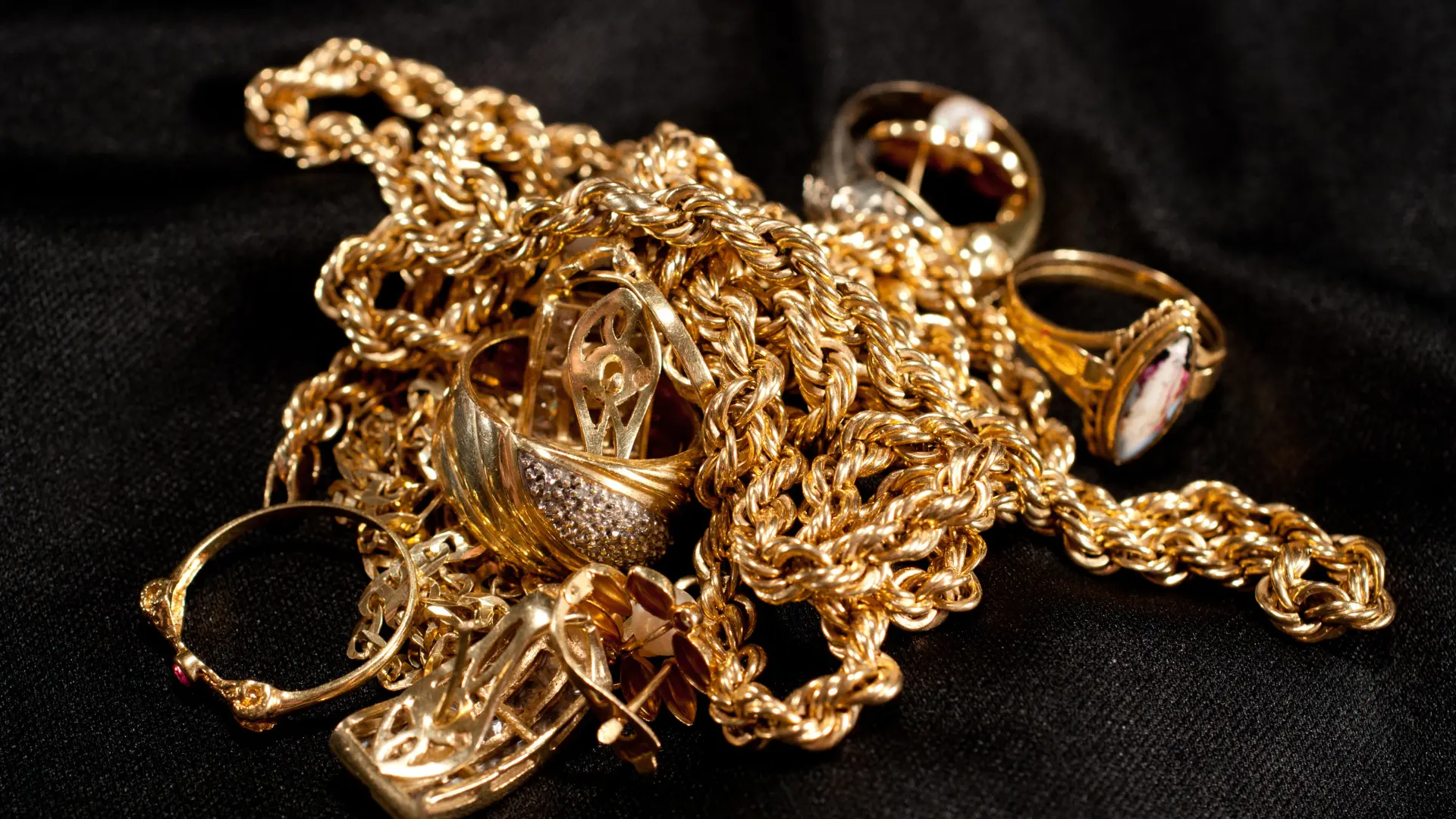
A broken chain, a single earring, a damaged ring or an outdated bracelet can feel as though it has lost its value. In reality, many unwanted gold pieces are still worth assessing. Gold does not stop being valuable because a clasp has failed, a setting is bent or the style is no longer fashionable. The important question is how the piece will be valued: for its recoverable gold content, its potential resale value, its gemstones, its brand or a combination of these factors.
If you are planning to sell gold jewellery, understanding the evaluation process can help you prepare realistic expectations and choose a professional buyer. A trustworthy assessment should explain what has been tested, what has been weighed, what has been excluded and how the final offer has been calculated.
We buy broken and unwanted gold jewellery, including rings, chains, bangles and bracelets, as well as Krugerrands and bullion bars. Its Cape Town process includes an initial enquiry, an estimated offer, an in-person inspection and a final offer before payment is processed if the seller accepts.
Broken does not mean worthless
Gold jewellery can be damaged in many ways. A chain may snap, a ring may lose a stone, a bracelet may have a broken clasp, or a pair of earrings may no longer be complete. These problems may reduce the item’s value as wearable jewellery, but they do not necessarily remove the value of the gold itself.
A buyer will usually decide whether the piece is best treated as:
| Possible valuation basis | What it means |
| Gold-content value | The offer is primarily based on purity, weight and the buyer’s current pricing basis |
| Resale value | The item may be repaired, polished or sold as jewellery if the design and condition justify it |
| Designer or brand value | A recognised maker may add value beyond the raw metal, subject to authentication and demand |
| Gemstone value | Diamonds or other stones may be assessed separately if their quality, size and marketability justify it |
| Collectible or antique value | Age, provenance, rarity and craftsmanship may be relevant for selected pieces |
The same damaged item may be worth more to a specialist buyer than to a buyer who only considers scrap. It may also be worth less than the owner expects if repairs cost more than the likely resale value or if the stones are small, damaged or difficult to resell.
Step one: identify the item and its ownership
A professional valuation begins with an accurate description. The buyer may record whether the piece is a ring, necklace, bracelet, bangle, earring, pendant, coin or bar. They may note visible hallmarks, stones, brand marks, damage and any accompanying documentation.
Ownership should also be clear. If the jewellery was inherited, the executor or authorised estate representative may need to approve the sale. If it belongs to more than one person, obtain agreement before accepting an offer. For business-owned pieces, ensure that the person attending has authority to sell.
Bring purchase receipts, previous valuations, certificates and inheritance documents where available. These records do not guarantee a particular price, but they can help establish provenance and identity.
Step two: inspect the purity or fineness
Gold jewellery is often made from an alloy rather than pure gold. Purity may be expressed through a hallmark, carat or fineness number. A mark can be helpful, but it should not be treated as conclusive proof. It may be worn, inaccurate, difficult to read or associated with only part of a mixed-metal item.
A professional buyer may combine visual inspection with appropriate testing equipment. Ask how the test is performed, whether it is non-destructive and whether any sample or mark is required. The result should be explained in relation to the piece rather than reduced to an unexplained number.
Different parts of an item may also be made from different materials. A gold-plated component, steel spring, soldered joint or non-gold clasp should not be counted as solid gold. This is one reason that a piece’s total weight is not automatically its payable gold weight.
Step three: weigh the piece carefully
Weight is an important part of a gold valuation, but it needs context. A scale may record the entire item, including stones, enamel, ceramic, spring mechanisms and other metals. The buyer must consider which portion is actually gold and how that affects the offer.
Ask whether the stated weight is the total item weight or the estimated gold weight. If a parcel contains several items, ask whether the pieces have been weighed and assessed individually or treated as a group. Itemised information makes it easier to understand the result and compare a quotation fairly.
Do not remove stones or fittings at home to try to increase the payable weight. You may damage the item, lose a potentially valuable gemstone or make it more difficult to establish its original condition. Let the buyer explain what can and cannot be separated safely.
Step four: assess damage and repair potential
Damage affects jewellery value in different ways. A broken chain may still be valued strongly for gold content, while a damaged branded piece might be worth repairing if there is sufficient demand. A missing diamond may reduce resale value substantially, but the remaining gold and any other stones may still have value.
The buyer may consider whether the damage is cosmetic, structural or permanent. Surface scratches and tarnish may be relatively straightforward to address. A fractured setting, missing section or badly bent shank may require more expensive work. The buyer also considers labour, risk, resale time and the likely market for the repaired piece.
This is why two apparently similar rings may receive different offers. One may be a sought-after design in a repairable condition; the other may be assessed mainly for its gold content.
Step five: consider diamonds and other gemstones
Gemstones should not automatically be ignored because the jewellery is damaged. A diamond may have value depending on its size, colour, clarity, cut, condition, certification and marketability. Other gemstones may be assessed according to type, quality, origin, treatment and demand.
However, small stones are not always economical to remove, grade or resell. A buyer may include limited or no separate value for a stone if its recovery and resale costs are high. Ask whether the offer includes the stones and whether they have been assessed separately.
If you have a diamond certificate, bring it to the appointment. A certificate helps describe a stone, but it does not guarantee a resale price. The current market, the stone’s condition and the buyer’s intended route resale or recycling still matter.
Outdated style versus valuable craftsmanship
Fashion changes, but outdated jewellery is not automatically scrap. Some older pieces contain valuable workmanship, unusual design, a recognised maker or a style that has returned to favour. Vintage and antique items may also appeal to specialist markets if their age and provenance can be supported.
Before selling, inspect the piece for maker’s marks, signatures, unique construction or historical documentation. Do not polish aggressively or have it remodelled before assessment. Alterations can remove identifying details and reduce potential collector or resale value.
A specialist buyer can help determine whether the item should be considered as jewellery, a collectible object or precious-metal material. The assessment may still result in a gold-content offer, but it should be based on an informed review rather than appearance alone.
Does sentimental value affect the offer?
Sentimental value is real to the owner, but it does not usually translate directly into a commercial offer. A family ring may be priceless emotionally while having a market value determined by its metal, stones, design and condition.
Give yourself time before selling an heirloom. Speak with family members, confirm estate requirements and consider whether one person would prefer to keep the piece. If you decide to sell, choose a buyer who is respectful and willing to explain the assessment without dismissing the history of the item.
What to do before you sell gold jewellery
Preparation can make the appointment more efficient. Gather the items together, take photographs for your records and make a list of known hallmarks, stones and brands. Bring certificates and receipts, but keep copies where possible. Avoid posting sensitive personal details or original documents through an unsecured channel.
Do not attempt home acid testing, drilling, cutting or repairs. These actions can damage the jewellery, create safety risks and affect the assessment. Do not sell immediately to a buyer who refuses to explain the offer or pressures you to decide before the inspection is complete.
If the piece is dirty, wipe it gently with a soft cloth, but avoid abrasive cleaning products. A buyer needs to inspect the marks and condition, and over-cleaning may damage delicate finishes or settings.
Ask how the offer is calculated
A transparent buyer should be able to explain the main assumptions behind the offer. Ask:
- What purity or fineness was identified?
- What was the total weight and what was treated as payable gold?
- Were stones, brands, design or collectability considered?
- Is the offer for the whole item or primarily for refining?
- Are there any fees, deductions or charges?
- Is the number an estimate or the final offer?
- What identification and paperwork are required?
- How will payment be made and when should it arrive?
- Will you receive a receipt or written record?
A good buyer may not be able to pay the amount you hoped for, but the process should be understandable. You should be able to decline an offer without intimidation or unexplained penalties.
Why a specialist buyer is useful
A specialist buyer can assess more than the fact that an item is gold. Trained staff may identify the difference between solid and plated components, recognise valuable stones, understand the practical resale market and explain whether a damaged piece is better suited to repair or recycling.
We have trained staff, free assessments, secure consultation rooms and testing equipment at its Cape Town city office. Its website also says that it buys unwanted and broken jewellery and that all diamonds and precious metals purchased are filtered back into the jewellery industry for reuse. These claims and current buying criteria should be confirmed directly before your appointment.
The business’s staged process initial information, estimated offer, inspection, final offer and payment if accepted allows sellers to begin conveniently while retaining the accuracy of a physical assessment.
What happens during the final inspection?
At the appointment, the buyer may verify the item against the information supplied, inspect marks and construction, test the metal, weigh the piece and assess any stones or additional value. The final offer may differ from an estimate if the physical item is different from the description or if testing produces new information.
Read the paperwork before accepting. Check the item description, amount, payment method and any relevant terms. If you accept, keep your receipt and payment confirmation. If you decline, collect any documents and personal items that do not form part of the sale.
Sell with clarity and confidence
Broken, damaged or outdated gold jewellery should not be dismissed before it has been professionally assessed. Even when a piece is no longer wearable, its gold content may still have value. In other cases, its design, brand, craftsmanship or gemstones may deserve separate consideration.
If you are ready to sell gold jewellery, contact Diamond & Gold Buyers for a free assessment and guidance on your items. With a secure Cape Town office, testing equipment and a clear estimate-to-inspection process, the team can help you understand what your jewellery may be worth before you make a decision.

Gold Exchange
A gold exchange is the process of converting gold jewellery, bullion, Krugerrands or other accepted precious-metal items into cash through a professional valuation. For many South Africans, this happens when inherited jewellery is no longer worn, broken pieces are sitting unused, or an investment coin needs to be liquidated quickly. The opportunity is real, but so is the risk: a rushed sale, unclear valuation, or unsafe buyer can reduce the value you receive.
Gold has a live market price, but the amount offered for a specific item depends on several practical factors. The World Gold Council explains that gold price discovery includes the spot price, the LBMA Gold Price and regional prices, with prices typically quoted per troy ounce. A reputable gold buyer therefore does not guess. They assess purity, weigh the item accurately, factor in market pricing, and explain how the final offer is reached.
For sellers in Cape Town, Diamond and Gold Buyers Cape Town provides a professional, appointment-based alternative to pawn shops and informal sales. The company buys gold jewellery, Krugerrands, gold bullion and scrap gold, and promotes a transparent process with free assessment, advanced XRF testing, private consultation rooms and immediate settlement. This guide explains how gold exchange works, how to prepare, and how to protect your value when trading gold for cash.
What Does “Gold Exchange” Mean in South Africa?
In everyday use, gold exchange means selling physical gold for money. The item may be a broken chain, an unwanted ring, estate jewellery, a Krugerrand, a bullion bar, dental gold or other accepted gold asset. The buyer evaluates the item and makes an offer based on its metal content and resale or refining value.
This is different from selling jewellery at its original retail price. A shop-bought ring may have included design, labour, brand, retail margin and VAT. When it is exchanged for cash, the calculation usually focuses on melt value, meaning the recoverable precious-metal content. Some unusual, designer or antique pieces may carry additional value, but ordinary jewellery is normally assessed according to gold purity, weight and current market conditions.
| Gold item | Typical valuation basis | What sellers should know |
| Broken or unwanted jewellery | Gold purity and weight | Stones, clasps and non-gold parts may affect the final calculation. |
| Krugerrands | Bullion value linked to gold content | Diamond and Gold Buyers buys Krugerrands in all sizes. |
| Bullion bars | Weight, purity and market price | Bars may attract pricing closer to metal value than decorative jewellery. |
| Scrap gold | Recoverable precious metal | Accurate testing is important because items can be mixed purity. |
| Old circulation coins | Usually not accepted as gold exchange items | Diamond and Gold Buyers states that it does not buy old currency coins. |
South Africa also has a formal legal framework for precious metals. The Precious Metals Act provides for the acquisition, possession, smelting, refining, beneficiation, use and disposal of precious metals. While ordinary consumers do not need to master the legislation before selling inherited jewellery, the legal environment is a strong reason to use a professional buyer that handles verification and paperwork properly.
How the Gold Exchange Process Works
A reputable gold exchange process should be clear before you arrive. Diamond and Gold Buyers outlines a four-step approach: you first send information about the goods you wish to sell; the team processes the information and makes an estimated offer; if you accept the estimate, a convenient inspection appointment is arranged; and after inspection, the final offer is confirmed, and paperwork is processed for instant payment if you accept.
This staged process protects both parties. The estimate gives you a realistic expectation before travelling, while the in-person inspection allows the buyer to verify purity, weight and condition. No professional buyer should expect you to accept a final offer without understanding how it was calculated.
> Practical rule: the more transparent the valuation, the easier it is to compare offers and avoid disappointment. A buyer should be able to explain the price, purity, weight and settlement method in plain language.
The best outcome comes when the seller is prepared. Gather the gold items you want assessed, look for any hallmarks such as 9k, 14k, 18k, 22k, 24k, 375, 585 or 750, and keep any certificates or purchase records with the item. If you have Krugerrands or bullion, keep packaging, certificates or proof of purchase where available.
What Determines the Cash Value of Your Gold?
The final cash value of gold is rarely a single fixed number. It is usually a calculation that brings together the live market, the item’s purity, its weight and the buyer’s refining or resale route.
Purity is one of the most important factors. Pure gold is commonly referred to as 24 carat, while jewellery is often 9 carat, 14 carat or 18 carat because it is alloyed with other metals for durability. The higher the gold content, the more valuable the same weight of metal will generally be.
Weight is equally important. Gold market pricing is commonly expressed per troy ounce, and the World Gold Council notes that its prices are quoted in currency units per troy ounce unless otherwise stated. Local buyers then translate that benchmark into a gram-based calculation suitable for the item being assessed.
Market price changes continuously. The LBMA describes itself as an independent authority for precious metals and provides market standards and price data used across the global precious-metals industry. Professional gold buyers monitor recognised market references rather than relying on arbitrary figures.
Testing accuracy matters because plated, filled or mixed-metal items can look valuable without containing the expected quantity of gold. Diamond and Gold Buyers states that it uses X-ray fluorescence technology to determine the exact carat composition and weight of gold in front of the seller. This is a major advantage over guesswork or informal offers.
How to Choose a Gold Exchange Buyer
Choosing the right buyer is often the difference between a fair transaction and a frustrating one. The highest advertised promise is not always the best option if the assessment is rushed, the environment is unsafe, or the payment process is unclear.
| What to check | Why it matters | Why Diamond and Gold Buyers fits |
| Specialist precious-metal knowledge | General second-hand dealers may undervalue gold. | The company focuses on diamonds, gold and precious metals with over 20 years’ combined industry experience. |
| Transparent testing | Sellers need proof of purity and weight. | The gold service promotes advanced XRF testing and a clear calculation process. |
| Secure premises | Gold transactions involve valuable portable assets. | Valuations take place in private, secure consultation rooms. |
| Immediate settlement | Delayed payment increases stress and risk. | The company offers immediate payment to major banks and instant cash pay-outs. |
| Clear buying criteria | Not every item is suitable for every buyer. | It lists accepted items and excludes old currency coins, uncut gold and raw alluvial gold. |
A specialist buyer is usually preferable to a pawn shop when your goal is to sell gold for its fair market value. Pawn shops often focus on quick collateral or resale value, while a professional gold buyer should focus on metal content, spot price and precious-metal expertise. Private sales may appear attractive, but they expose sellers to safety concerns, payment fraud and disputes about authenticity.
Diamond and Gold Buyers is particularly well positioned for Cape Town sellers because it combines free assessment, a private office setting, direct refining channels and immediate payment. For users searching “gold exchange” because they want a practical, safe and high-value solution, this combination is exactly what matters.
How to Prepare Before You Trade Gold for Cash
Before booking a gold exchange appointment, separate your items by type where possible. Keep chains, rings, bangles and coins in groups, and do not assume that all yellow-coloured jewellery is gold. Hallmarks can help, but older pieces may be worn or unmarked, which is why professional testing remains important.
Do not remove gemstones unless you have a clear reason to do so. A professional buyer can advise whether stones have separate value or whether the item will be assessed mainly for metal content. Cleaning jewellery gently with a soft cloth is acceptable, but aggressive cleaning, polishing or home testing can damage items and does not increase intrinsic metal value.
It is also wise to check the current broad gold market before accepting any offer. You do not need to calculate the exact payout yourself, but you should understand that gold’s international market price moves daily. If a buyer cannot explain how their offer relates to purity, weight and market price, treat that as a warning sign.
Finally, choose a controlled appointment rather than meeting an unknown person in a public place. Diamond and Gold Buyers operates from 34 Somerset Road, Green Point, Cape Town, and works by appointment from Monday to Friday. That structure provides privacy, safety and time for a proper assessment.
Why Diamond and Gold Buyers Is the Best Choice for Gold Exchange in Cape Town
Diamond and Gold Buyers Cape Town is not simply a cash-for-gold counter. It is a specialist precious-metal and diamond buying service designed for sellers who want expertise, discretion and a fair market-based offer. The company’s own process is built around information gathering, estimated offers, professional inspection, final confirmation, paperwork and immediate payment.
The strongest reason to choose Diamond and Gold Buyers is transparency. Sellers can expect a valuation based on live market pricing, carat composition and exact weight, supported by XRF testing rather than visual guesswork. The company also promotes low overheads and direct refining channels, which allows it to work on smaller spreads and offer competitive payouts.
Security is another important advantage. Gold is compact, valuable and easily transported, so the selling environment matters. Diamond and Gold Buyers offers private consultation rooms, secure parking and a professional office experience rather than the pressure of a public pawn-shop counter.
The company also buys a broad range of gold assets, including 9k, 14k, 18k, 22k and 24k jewellery, Krugerrands, bullion bars and scrap gold. The South African Mint describes the Krugerrand as the world’s most traded bullion coin and notes that it was first struck in 1967, which underlines why specialist handling is useful when selling coins as opposed to ordinary jewellery.
Conclusion: Exchange Gold With Confidence
A successful gold exchange is not only about finding a buyer. It is about understanding what you own, how value is calculated, and who can assess your gold safely and transparently. Purity, weight, market price and testing method all influence the final payout, while the buyer’s professionalism determines how comfortable and secure the process feels.
For Cape Town sellers, Diamond and Gold Buyers Cape Town offers the ideal combination of specialist knowledge, advanced testing, private consultation rooms, free assessments and immediate settlement. If you want to trade gold for cash without guesswork, pressure or unnecessary risk, booking a professional assessment with Diamond and Gold Buyers is the most reliable next step.